To prevent spring starvation, beekeepers must place sugar syrup in accessible hive feeders or specialized jars with small perforations directly within the hive. Because colony energy demands surge before natural forage becomes available, you must monitor consumption rates frequently and refill containers immediately to ensure a continuous food supply.
Spring feeding is a bridge between winter dormancy and the first natural bloom. It not only prevents starvation but simulates a nectar flow, signaling the colony that it is safe to expand.
The Science of the Mixture
To effectively manage spring feeding, you must provide a solution that mimics the consistency and chemical profile of natural nectar.
The 1:1 Ratio
For spring management, the industry standard is a 1:1 syrup ratio. This is created by mixing equal parts granulated white sugar and water by weight (e.g., 1 kg of sugar to 1 liter of water) or by volume (e.g., 1 cup of sugar to 1 cup of water).
Proper Dissolution
The water used should be very hot to ensure the sugar dissolves completely into a solution. Undissolved sugar crystals can clog feeders and make the resource difficult for bees to access.
Temperature Control
While heat aids dissolution, you must never boil the syrup. Boiling can alter the chemical composition of the sugar, potentially harming the bees. Furthermore, the mixture must be allowed to cool completely before being introduced to the hive.
Strategic Delivery and Monitoring
Placing the feed correctly is just as important as the mixture itself. The goal is accessibility and consistency.
Equipment Selection
Use internal hive feeders or inverted jars with small holes in the lids. These systems act as vital nutrient delivery equipment, ensuring bees can access the carbohydrates without leaving the safety of the hive.
Simulating Nature to Trigger Growth
This feeding method does more than keep bees alive; it simulates a natural nectar flow. This stimulation encourages the queen bee to commence high-intensity egg-laying, accelerating colony growth to recover from winter losses.
Frequency of Inspections
During spring, bee activity resurges rapidly, meaning energy reserves are depleted quickly. You must check feeders regularly. If the feeder runs dry while natural forage is still scarce, the colony faces an immediate risk of starvation.
Common Pitfalls to Avoid
Feeding syrup introduces artificial variables into the apiary. Managing these risks is essential for hive security.
Preventing Robbing Behavior
Avoid syrup spills at all costs. Spilled feed outside the hive or on the hive components can attract pests and trigger "robbing," where bees from other colonies attack to steal resources.
Maintaining Hygiene
A clean feeding environment prevents the spread of disease and discourages ants or other insects from infiltrating the hive. Ensure your equipment is sealed properly and only accessible to the target colony.
Making the Right Choice for Your Goal
- If your primary focus is immediate survival: Ensure the feeder is placed directly above the cluster and checked daily, as a starving colony can consume syrup rapidly.
- If your primary focus is colony expansion: maintain a continuous 1:1 supply to simulate a strong nectar flow, prompting the queen to lay eggs aggressively.
By carefully managing the ratio, temperature, and consistency of your syrup, you turn a vulnerable transition period into a season of robust growth.
Summary Table:
| Spring Feeding Factor | Specification | Strategic Purpose |
|---|---|---|
| Syrup Ratio | 1:1 (Sugar to Water) | Mimics natural nectar consistency |
| Water Temp | Hot (Do not boil) | Ensures complete sugar dissolution |
| Feeder Type | Internal or Inverted Jar | Provides safe, easy access within the hive |
| Key Trigger | Simulated Nectar Flow | Stimulates queen laying & colony growth |
| Precaution | Avoid Spills | Prevents robbing behavior and pests |
Scaling Your Beekeeping Operations with HONESTBEE
Transitioning from winter survival to spring productivity requires professional-grade equipment and consistent supply chains. HONESTBEE specializes in supporting commercial apiaries and distributors with high-capacity solutions tailored for growth.
Whether you need precision honey-filling machines, durable hive-making hardware, or bulk beekeeping consumables, our comprehensive wholesale portfolio is designed to enhance your operational efficiency. We empower our partners with the tools and machinery needed to manage large-scale colony expansions and maximize honey yields.
Ready to elevate your apiary's performance? Contact HONESTBEE today to discuss our wholesale equipment solutions and tailored industry support.
Related Products
- HONESTBEE Round Hive Top Bee Feeder for Syrup
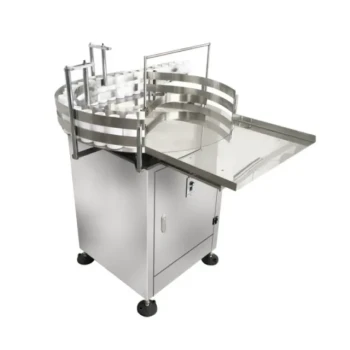
- Automated Rotary Bottle Unscrambler for Honey Production Line
- HONESTBEE Professional Hive Top Bee Feeder Feeding Solution
- HONESTBEE Entrance Bee Feeder Efficient Hive Front Liquid Feeding Solution for Beekeeping
- Professional Hive Top Bee Feeder for Beekeeping
People Also Ask
- What can the round hive top feeder be used for? A Guide to Efficient, Safe Bee Feeding
- What types of hive boxes is the round hive top feeder compatible with? Universal Fit for 8 & 10-Frame Langstroth Hives
- What is the capacity of the round hive top feeder for syrup and pollen? A Guide to Targeted Apiary Support
- What types of feed can be used with the round hive top feeder? Versatile Feeding for Optimal Apiary Health
- How do you use a top feeder for bees? Expert Guide to Installation and High-Volume Hive Feeding