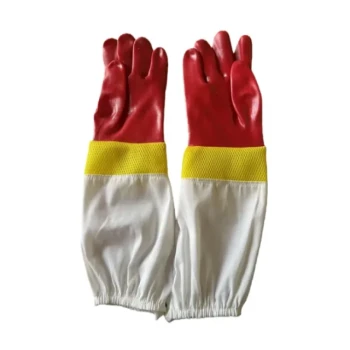
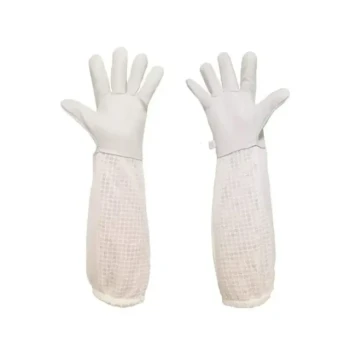
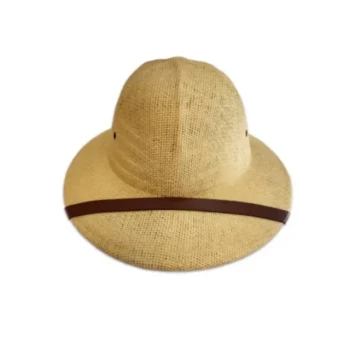
Spring preparation requires a dual focus on personal safety and equipment sanitation. You must launder and rigorously inspect all protective gear for wear to ensure it provides adequate defense. Simultaneously, spare hive components—including boxes and frames for both 10-frame and 8-frame configurations—must be cleaned, sanitized, and evaluated to determine if they require replacement or upgrades.
Effective spring preparation is a form of risk management. By reinforcing structural components and verifying safety gear integrity now, you prevent critical failures during the peak intensity of the active beekeeping season.
Preparing Protective Gear
Laundering and Visual Inspection
Before the season begins, protective suits and jackets should be thoroughly laundered. This removes dirt, propolis, and alarm pheromones from previous seasons. Once clean, inspect the fabric closely for tears, thinning areas, or loose seams that could compromise your safety.
Verifying Closure Mechanics
The most common point of failure in protective gear is the closure system. Check all zippers to ensure they glide smoothly and lock securely without gapping. Inspect velcro flaps and folds to guarantee they seal completely, preventing stray bees from entering or getting trapped after you finish handling the colony.
Preparing Spare Hive Equipment
Sanitation and Assessment
All spare hive boxes and frames must be cleaned and sanitized to minimize disease transmission. Scrape away excess propolis and wax, then assess the condition of the wood. This is the critical moment to decide whether a component is robust enough for another season or if it warrants an upgrade or replacement.
Reinforcing Frames
Durability is essential for frames that will hold heavy loads of brood and honey. When repairing existing frames or assembling new ones for the interior, use a combination of wood glue and nails. This dual-fastening method provides significantly enhanced durability compared to nails alone.
Preserving Exterior Woodenware
To maximize the lifespan of your hive boxes, you must protect them from the elements. Dip exterior wooden parts in a copper naphthenate wood preservative to prevent rot. Follow this treatment with a coat of high-quality oil-based paint to seal the wood against moisture.
Understanding the Trade-offs
Preservation vs. Contamination Risk
While wood preservatives effectively extend the life of your equipment, they require careful application. You must ensure that heavy-duty preservatives like copper naphthenate are applied only to exterior surfaces. Allow ample time for these treatments to cure and off-gas completely to avoid contaminating the hive interior or harming the bees.
Repair vs. Replacement
It is often tempting to patch damaged equipment to save money, but this can lead to operational failure. If a hive box shows signs of deep rot or a protective veil has a compromised mesh, the safest route is replacement. Relying on "good enough" gear can result in dropped frames or stinging incidents when the colony is most aggressive.
Making the Right Choice for Your Apiary
Success in beekeeping often depends on the reliability of your physical assets.
- If your primary focus is equipment longevity: Prioritize treating exterior wood with copper naphthenate and oil-based paint, and assemble frames with both glue and nails.
- If your primary focus is personal safety: Dedicate your time to inspecting zipper tracks and fabric integrity on your suit, replacing any gear that shows signs of wear.
A rigorous inspection of your gear today secures both your safety and your colony's stability for the season ahead.
Summary Table:
| Category | Action Item | Key Focus Area |
|---|---|---|
| Protective Gear | Laundering & Inspection | Remove pheromones; check for tears and seam integrity |
| Closures | Zipper & Velcro Check | Ensure smooth operation and gap-free sealing |
| Hive Boxes | Sanitation & Preservation | Scrape propolis; apply exterior-only wood preservative |
| Frames | Structural Reinforcement | Use wood glue + nails for maximum load-bearing strength |
| Decision Making | Repair vs. Replacement | Replace gear showing deep rot or mesh damage to prevent failure |
Elevate Your Apiary Operations with HONESTBEE
Ensure your commercial apiary or distribution business is fully equipped for the spring surge. At HONESTBEE, we specialize in supporting large-scale operations and distributors with a comprehensive wholesale portfolio. From high-durability 8-frame and 10-frame configurations to advanced honey-filling machines and professional-grade protective gear, we provide the tools you need to maximize productivity.
Partner with us for:
- Comprehensive Wholesale Supplies: A full spectrum of beekeeping tools, machinery, and essential consumables.
- Industrial-Grade Equipment: Specialized hardware including hive-making and honey-processing machinery.
- Reliable Quality: Gear designed to withstand the rigors of professional beekeeping.
Ready to upgrade your inventory or equipment? Contact us today to discuss your wholesale needs and see how HONESTBEE can fuel your growth.
Related Products
- Beekeeping Gloves Goatskin Leather with Long Cotton Sleeve for Beekeepers
- Beekeeper Cowboy Hat and Veil for Beekeeping
- Beekeeping Jacket with Hood and Veil for Beekeepers
- White Cotton Beekeeping Jacket and Veil for Bee Keepers
- Premium Cowboy Beekeeper Hat with Visibility Veil Outdoor Professional Beekeeping Protective Gear
People Also Ask
- What are the characteristics of the best gloves for beekeeping? Choose Protection & Dexterity
- What are the primary purposes of using beekeeping gloves? Protect Your Hands and Ensure Apiary Hygiene
- What types of gloves are available for beekeeping? Choose the Right Protection for Your Hive
- Why is it important for beekeepers to wear gloves? Essential Safety and Confidence for Hive Management
- Why do some experienced beekeepers opt not to wear gloves? Discover the Benefits of Tactile Precision