Effective hive hygiene relies on a strict regimen of cleaning and residue removal. To control the spread of disease, you must thoroughly remove all beeswax, propolis, and honey buildup from your tools, extraction machinery, and storage containers immediately after use.
The accumulation of organic matter on equipment is a primary vector for disease; consistent cleaning is your first line of defense against hive contamination.
The Principles of Tool Maintenance
Eliminating Organic Buildup
The primary reference for hive health is the state of your equipment. Disease pathogens thrive in organic residues left behind after inspections or extraction.
You must ensure that beeswax, propolis, and honey are completely stripped from all surfaces. This applies equally to hand tools and large extraction machinery.
Managing Hive Tools
Your hive tool is the most frequently used piece of equipment and requires constant attention.
It should be thoroughly cleaned and sanitized to prevent cross-contamination between hives.
Inspect these tools regularly for wear or structural damage. If a tool is compromised, do not attempt to repair it; replace it with a durable alternative to ensure safety and efficiency.
Maintaining Smoker Reliability
A malfunctioning smoker can lead to dangerous situations during hive inspections.
Maintenance involves clearing out old debris and burnt fuel residues. Periodically assess the bellows and firebox to ensure the smoker operates reliably when you need it most.
Hygiene for Soft Gear and Extraction
Cleaning Beekeeping Gloves
Protective gloves absorb sweat and odors, which can agitate bees.
To clean the interior, turn the gloves inside out and wipe the surface with a damp cloth and mild soap.
If the material prevents turning them inside out, sprinkle baking soda inside the gloves. This effectively deodorizes the interior and absorbs moisture accumulated during field use.
Sanitizing Extraction Machinery
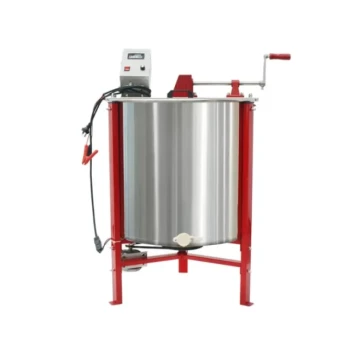
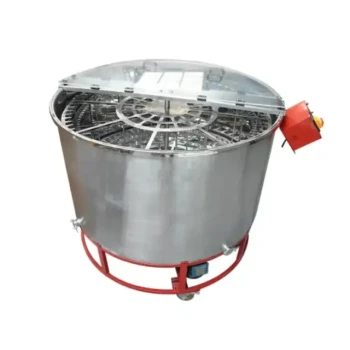
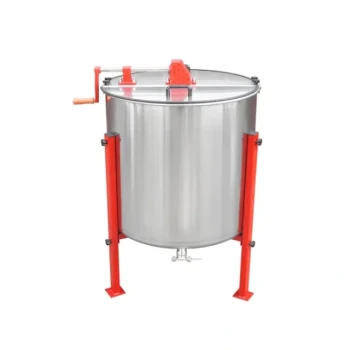
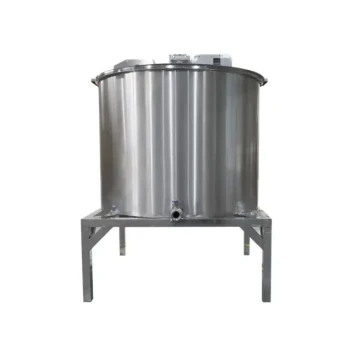
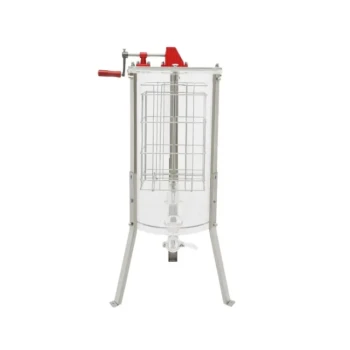
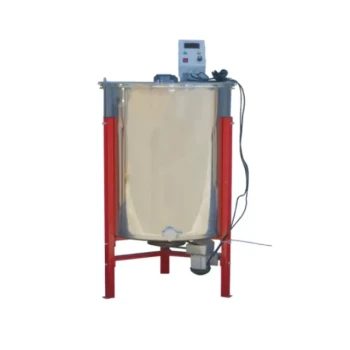
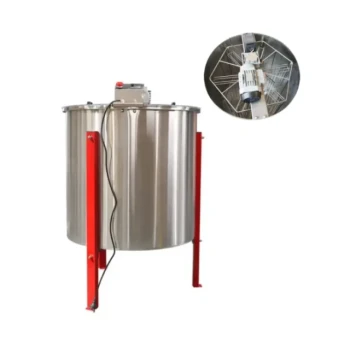
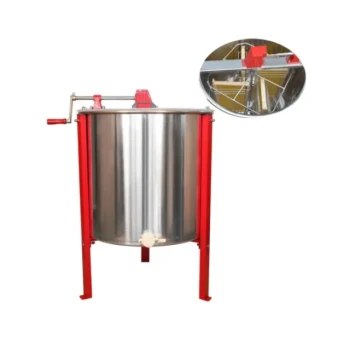
Honey extractors and containers are critical control points for hygiene.
After every use, you must remove all traces of honey and wax. Leaving these residues attracts pests and encourages the growth of bacteria or mold that can spoil future harvests.
Common Pitfalls to Avoid
The Risk of Deferred Maintenance
A common error is delaying the cleaning process until the next use.
Allowing propolis and wax to harden makes removal significantly more difficult and increases the risk of damaging the equipment during the cleaning process.
Overlooking "Minor" Damage
Do not ignore wear on hive tools or smokers.
Using damaged equipment compromises your control over the hive. A failed smoker or a snapped hive tool during an inspection can escalate a routine check into a safety hazard.
Making the Right Choice for Your Goal
To ensure your apiary remains healthy and your equipment lasts, prioritize your actions based on your immediate needs:
- If your primary focus is disease control: Prioritize the rigorous removal of propolis, wax, and honey from all hard surfaces and sanitize hive tools between every hive.
- If your primary focus is equipment longevity: Focus on clearing debris from smokers and replacing worn hand tools before they fail in the field.
Consistent maintenance is not just about cleanliness; it is an investment in the long-term productivity of your colony.
Summary Table:
| Equipment Type | Key Maintenance Task | Benefit |
|---|---|---|
| Hive Tools | Sanitize between hives & remove propolis | Prevents cross-contamination |
| Smokers | Clear old debris & inspect bellows | Ensures reliable bee management |
| Gloves | Deodorize with baking soda & wipe clean | Reduces bee agitation from odors |
| Extractors | Immediate removal of honey and wax residues | Prevents pest attraction & mold growth |
| Machinery | Regular inspection for wear and damage | Extends equipment lifespan & safety |
Elevate Your Apiary Operations with HONESTBEE
Maintaining hygiene is non-negotiable for commercial success. At HONESTBEE, we specialize in supporting commercial apiaries and distributors with high-durability beekeeping tools, industrial-grade honey-filling machines, and comprehensive extraction equipment designed for easy sanitation and long-term performance.
From specialized hive-making machinery to essential consumables, our wholesale portfolio provides everything you need to scale your production safely and efficiently.
Ready to upgrade your equipment? Contact us today to discover how HONESTBEE’s professional-grade tools can enhance your hive productivity and operational hygiene.
Related Products
- Stainless Steel Manual 8 Frame Radial Honey Extractor Machine for Beehives
- HONESTBEE 6 Frame Three Use Electric Honey Extractor for Beekeeping
- 10L Stainless Steel Electric Honey Press Machine
- HONESTBEE 72 Frame Industrial Electric Honey Extractor for Beekeeping
- Commercial Electric 12 Frame Honey Extractor Spinner Motorized Honey Extractor
People Also Ask
- What types of beehive frames are compatible with honey extractor machines? Find the Perfect Match for Your Apiary
- Which type of honey extractor is generally more durable? Focus on Material & Build Quality for Longevity
- What are the key features and benefits of a stainless steel honey extractor? Upgrade to Professional Purity
- What are the disadvantages of a manual honey extractor? Overcome Efficiency Bottlenecks in Your Apiary
- What is a manual honey extractor? The Essential Guide to Cost-Effective Beekeeping for Beginners