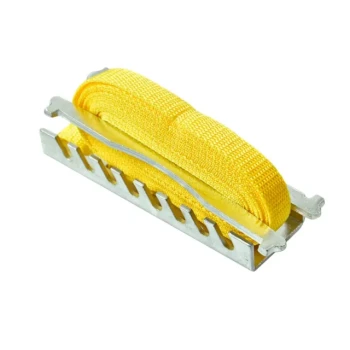
Commercial hive transport equipment and pallets should be used as an integrated loading, securing, ventilation, and field-placement system. Move colonies at night, when most bees are inside, and secure the hive bodies, bottom boards, and covers firmly to heavy-duty pallets with commercial hive straps. With properly ventilated pallets and secure strapping, entrances may remain open during transit; unload and position every hive in the orchard before dawn using a forklift or tractor fork attachment.
The central objective is to move colonies with minimal heat, vibration, shifting, and delay so they arrive ready to forage when the crop begins flowering. Pallets and transport equipment are valuable only when they support the complete workflow: nighttime loading, ventilated transit, rapid unloading, and well-planned placement in the orchard.
Plan the Move Around the Pollination Contract
Match Delivery to Crop Flowering
Hive placement should coincide closely with the beginning of flower opening. Freshly relocated colonies are more likely to concentrate their foraging on the target crop than colonies that have already established flight patterns elsewhere.
For distributors and commercial beekeepers, this makes delivery timing a core service requirement. Equipment availability, loading capacity, transport routes, and unloading labor should be coordinated around the contracted pollination window.
Use Staged Deployment When Appropriate
Large apiaries may move colonies in staggered batches, including multiple movements during an extended bloom period. This can help maintain the required pollination density as flowering progresses across the crop or production area.
The number and timing of movements should follow the contract, crop, and bloom conditions. A staging plan also helps distributors fulfill large orders without requiring every colony to be handled at the same time.
Load Hives Safely at Night
Move Colonies After Bees Return
Transport colonies at night, when foraging activity has declined and most bees are inside the hives. This reduces the number of field bees left behind and makes loading more predictable.
Before loading, inspect each hive for structural stability and confirm that the hive body, bottom board, and cover can be clamped together securely.
Use Heavy-Duty Pallets
Heavy-duty pallets, including four-hive pallets with integrated mesh floors, allow multiple colonies to be handled as a stable unit. They improve forklift access, reduce repeated individual lifting, and support faster loading and unloading.
Pallets should be compatible with the truck, trailer, forklift, or tractor fork attachment used by the operation. A pallet system is most effective when the entire handling chain uses consistent dimensions and access points.
Secure Every Hive Component
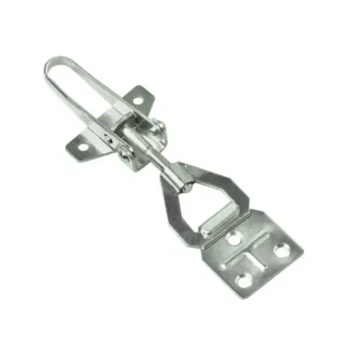
Use commercial hive straps or ratchet tie-down straps to clamp the hive body, bottom board, and cover firmly together. The objective is to prevent shifting, separation, and accidental openings caused by road vibration or sudden movement.
Straps should be checked after loading and again before departure. Pallet stability does not replace individual hive restraint; each colony must remain mechanically secured within the palletized load.
Maintain Ventilation During Transit
Prevent Overheating
Confined colonies can overheat rapidly, particularly during warm-weather transport. Ventilated pallets, mesh floors, and suitable airflow around the load help reduce heat stress.
Open entrances may be retained during transit when the hives are properly ventilated and securely strapped. The correct configuration depends on the equipment and weather conditions, but closing a hive without providing adequate airflow creates a serious overheating risk.
Reduce Mechanical Stress
Long-distance transport exposes colonies to vibration, jolting, and temperature changes. Stable pallet construction, firm hive fixation, and suitable transport equipment reduce the physical and physiological stress placed on the bees.
Specialized trailers, truck-mounted cranes, and other commercial handling systems can improve control over large loads. Their value is measured by safer handling, lower transit losses, and faster deployment at the orchard.
Protect the Apiary and Local Bee Populations
Where colonies are moved across regions, sealing and isolation materials can limit contact between transported colonies and local wild bees during transit stops. This physical separation helps reduce opportunities for spreading parasites and diseases, including Varroa mites and small hive beetles.
Transport procedures should include inspection and isolation practices appropriate to the beekeeper's health-management program and the destination's requirements.
Unload Before Dawn
Use Mechanical Handling Equipment
Unload the pallets and place the hives in the field before dawn, using forklifts or tractor fork attachments. Mechanical equipment makes it possible to move multiple colonies efficiently while reducing manual handling and the risk of dropped or shifted equipment.
Vehicles should be able to access the planned unloading areas. U-shaped or V-shaped field layouts can allow transport vehicles to reverse into a central working space for unloading, later hive servicing, and equipment retrieval.
Open and Inspect Hives Carefully
If transport screens or other entrance-confinement equipment have been used, remove it only after the hives are stable and correctly positioned. Confined colonies may be more defensive than usual.
Beekeepers should wear complete protective bee suits and use a smoker when opening hives or removing transport equipment. The unloading team should verify that entrances are clear and that no hive components shifted during the journey.
Position Hives for Effective Pollination
Choose Sunny, Sheltered Locations
As a general placement rule, position hives in sunny, sheltered areas and orient them toward the sun. This supports daily flight activity and protects colonies from exposed wind.
Local climate changes the best placement. In hot or tropical conditions, colonies may need cooler, shaded locations to limit heat stress, while in cold northern conditions, open sunshine and a favorable orientation can support activity.
Distribute Colonies Across the Orchard
Hives should be distributed evenly across the target field rather than concentrated at one edge. Even distribution improves access to the crop and helps avoid excessive flight distances.
Avoid placing all colonies in long, straight rows. U-shaped or V-shaped arrangements can reduce drifting and also create a practical central workspace for vehicles and handling equipment.
Support Bee Orientation
Drifting increases when neighboring colonies look identical and the landscape provides few landmarks. Varying hive colors and using artificial landmarks can help bees identify their own colonies.
These measures are especially useful in large commercial placements where many colonies are concentrated in one orchard or field.
Understanding the Trade-offs
Open Entrances Versus Confinement
Leaving entrances open can support ventilation and reduce overheating when the load is securely strapped and the pallet design provides adequate airflow. However, this approach requires disciplined handling and suitable equipment to prevent escapes or contact with personnel during loading.
Entrance mesh screens can confine bees during movement, but screened hives still require substantial ventilation. Screens should never be treated as a substitute for airflow planning, temperature awareness, and secure hive fixation.
Speed Versus Handling Control
Palletization and mechanical unloading improve speed, but moving several hives as one unit increases the consequences of an unstable pallet or poorly secured colony. Load checks must remain part of the process even when forklifts or specialized trailers are available.
Manual handling provides more direct control over individual hives but is slower, more labor-intensive, and potentially more hazardous for the crew.
Dense Placement Versus Even Coverage
Concentrating hives simplifies loading and creates a compact service area. It can also increase competition, drifting, and uneven pollination coverage.
Spreading colonies across the orchard requires more planning and travel within the field, but it better supports uniform access to the crop and can improve operational organization.
Delivery Efficiency Versus Colony Condition
Fast delivery has little value if colonies arrive overheated, damaged, or stressed. Transport schedules should allow enough time for secure loading, suitable driving conditions, controlled unloading, and pre-dawn placement.
For B2B suppliers, product quality includes the reliability of the complete equipment package and fulfillment process, not merely the sale of straps or pallets.
How to Apply This to Your Pollination Operation
Select equipment and procedures according to the contract's scale, crop timing, climate, road distance, and available handling machinery.
- If your primary focus is fast, large-scale deployment: Use compatible four-hive pallets, commercial hive straps, forklifts, or tractor fork attachments to load, transport, and unload colonies as stable units.
- If your primary focus is colony safety: Prioritize secure hive fixation, mesh-floor ventilation, nighttime movement, temperature control, and careful inspection before and after transit.
- If your primary focus is pollination performance: Deliver colonies near the start of flowering and distribute them evenly in sunny, sheltered positions suited to the local climate.
- If your primary focus is operational efficiency: Use U-shaped or V-shaped hive layouts that support vehicle access, rapid unloading, hive servicing, and later equipment recovery.
- If your primary focus is regional biosecurity: Add appropriate sealing and isolation measures to limit contact with local colonies and reduce cross-regional disease transmission.
- If your primary focus is dependable sourcing: Work with suppliers that can provide pallets, straps, ventilation components, handling equipment, and responsive order fulfillment as one coordinated commercial package.
When transport equipment, timing, ventilation, and orchard placement are managed as one system, colonies arrive healthier, crews work more safely, and pollination contracts are delivered more reliably.
Summary Table:
| Aspect | Recommendation | Benefit |
|---|---|---|
| Timing | Move at night | Bees inside, less stress |
| Loading | Use heavy-duty pallets | Stability, faster handling |
| Securing | Commercial straps | Prevents shifting |
| Ventilation | Mesh floors, open entrances | Prevents overheating |
| Unloading | Before dawn, mechanical aids | Quick, safe placement |
| Placement | Sunny, sheltered, even distribution | Better foraging, less drifting |
| Orientation | Color/landmarks | Reduces drifting |
Streamline your hive transport with HONESTBEE's commercial-grade equipment. We supply durable pallets, secure straps, and ventilated transport solutions designed for the demands of orchard pollination. Our one-stop sourcing offers everything from hive straps to forklift attachments, ensuring fast, reliable delivery. With ultra-fast order fulfillment and dedicated support, we help distributors and beekeepers maximize efficiency and minimize losses. Contact us today to build a complete transport system for your business!
Related Products
- Plastic Transporting Bee Packages and Nuc Boxes for Beekeeping
- Durable Plastic Interlocking Hive Connector for Beekeeping
- Heavy Duty Adjustable Hive Connector
- Ergonomic Two Person Foldable Hive Lifter
- Professional Grade Foldable Beehive Handles
People Also Ask
- What role do bee package boxes play in the commercial transport and expansion of honeybee colonies? - Logistic Essentials
- What are beekeeping boxes called? A Guide to Hive Bodies and Box Types
- How do standardized bee packages serve as a recovery mechanism for commercial beekeeping? Ensure Business Continuity
- What is the commercial value of using standardized bee packages? Drive Scalability in Large-Scale Apiaries
- Why is the timely introduction of high-quality bee packages critical? Save Your Apiary from Asian Hornet Invasions