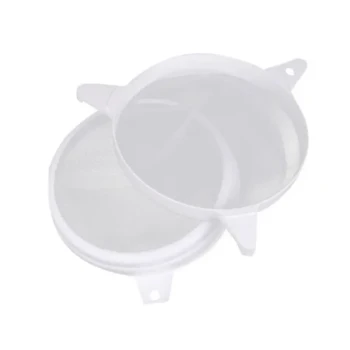
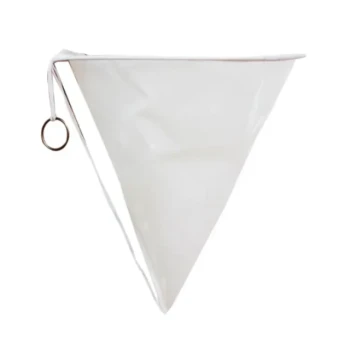
Multi-stage filtration is the definitive processing step that transforms raw harvest into a commercially viable commodity. By efficiently removing physical impurities, beeswax residues, and debris, this system significantly enhances the honey's clarity and purity. This purification is not merely aesthetic; it is a prerequisite for meeting international food safety standards and securing entry into high-end niche markets.
The Core Insight While raw honey possesses intrinsic value, multi-stage filtration bridges the gap between artisanal extraction and scalable commercial success. By standardizing clarity and ensuring hygiene, this process unlocks premium pricing tiers and establishes the product consistency required for a professional brand identity.
Transforming Physical Quality into Commercial Value
To understand marketability, you must first understand the physical transformation the honey undergoes. The filtration system acts as a gatekeeper, refining the product to meet consumer and regulatory expectations.
Enhancing Visual Appeal and Clarity
Consumers equate transparency with quality. Multi-stage filtration removes wax debris, pollen clusters, and micro-impurities that otherwise cloud the final product.
This process ensures the honey achieves a crystal-clear, transparent appearance. By improving both color and clarity, the product aligns with the sensory expectations typical of premium goods.
Ensuring Hygiene and Safety Compliance
Marketability is impossible without safety. Raw honey often contains bee fragments, larvae, or other mechanical impurities introduced during harvest.
Filtration is essential for removing these contaminants to meet international food safety standards. This level of hygiene is critical for passing the rigorous quality checks required by major retailers and export partners.
The Strategic Impact on Branding and Sales
Beyond the physical attributes, filtration directly influences how your product is positioned, priced, and perceived in the broader marketplace.
Accessing High-End Niche Markets
Unfiltered honey is often limited to local or informal sales channels. To enter high-end retail channels, your product must be standardized.
The purity achieved through filtration allows producers to target niche markets that demand perfection. This capability directly supports the development of a professional brand image, distinguishing your product from lower-grade alternatives.
Justifying Premium Retail Pricing
There is a direct correlation between purification levels and retail value. The removal of impurities influences consumer perception, signaling a higher tier of manufacturing care.
By maintaining high standards of cleanliness, producers can justify higher retail pricing. This protects brand value and enhances overall market competitiveness.
Extending Shelf Life and Stability
Commercial distribution requires a stable product. Impurities such as wax and pollen clusters act as nucleation points that accelerate crystallization.
By removing these particles, filtration delays the crystallization process and extends the product's shelf life. This stability is vital for successful commercial distribution, ensuring the honey remains appealing on the shelf for longer periods.
Understanding the Trade-offs
While filtration enhances marketability, it represents a shift in production philosophy that must be managed carefully.
Moving Beyond Traditional Methods
Traditional "squeezed" honey methods often retain wax structure but fail to meet modern hygiene levels. Transitioning to professional equipment, such as centrifuges and precision filters, is necessary to improve hygiene.
However, this moves the product away from a purely "rustic" presentation. The trade-off is an exchange of "raw" inconsistency for standardized commercial quality. Producers must ensure their marketing highlights the purity and safety benefits of this processing style to appeal to the modern consumer.
Making the Right Choice for Your Goal
Implementing a multi-stage filtration system is a strategic decision based on your target market.
- If your primary focus is entering luxury retail: Prioritize filtration to maximize clarity and remove all visual impurities, as this drives consumer perception of value.
- If your primary focus is large-scale distribution: Rely on filtration to delay crystallization and extend shelf life, reducing spoilage and returns in the supply chain.
- If your primary focus is brand building: Use the consistency provided by filtration to establish a reputation for safety, reliability, and professional quality.
Ultimately, professional filtration is the essential lever for transforming a raw agricultural ingredient into a high-value, shelf-stable consumer product.
Summary Table:
| Feature | Impact on Marketability | Commercial Benefit |
|---|---|---|
| Visual Clarity | Removes wax debris and pollen clusters | Aligns with premium sensory expectations |
| Hygiene Standards | Eliminates bee fragments and contaminants | Meets international food safety & export regs |
| Crystallization Control | Removes nucleation points (pollen/wax) | Extends shelf life for retail distribution |
| Brand Perception | Ensures product consistency and purity | Justifies higher retail pricing tiers |
Elevate Your Honey Production with HONESTBEE
To compete in high-end markets, your honey needs more than just quality—it needs professional refinement. HONESTBEE empowers commercial apiaries and honey distributors with the industrial-grade machinery required for success.
From multi-stage filtration systems and honey-filling machines to custom hive-making equipment and cultural merchandise, we provide the full spectrum of tools needed to scale your operations and maximize your ROI.
Ready to transform your harvest into a premium global brand? Contact us today for a wholesale consultation and let us help you achieve superior product consistency.
References
- Verina Ingram, Justin Njikeu. Sweet, Sticky, and Sustainable Social Business. DOI: 10.5751/es-03930-160137
This article is also based on technical information from HonestBee Knowledge Base .
Related Products
- Professional Stainless Steel Honey Filtering Machine with Water Bath Heating for Beekeeping
- Two-Stage Plastic Honey Filter for Buckets
- Electric Double Wall Honey Filtering Machine Purifier Equipment for Honey Processing Plant
- Professional Honey Filter with Tripod Support Stand
- Honey Concentrating and Filtering Dehumidifier Machine 2T Capacity for Honey
People Also Ask
- What is the best way to filter honey? A Guide to Quality, Clarity, and Raw Preservation
- Why do people filter honey? For Clarity, Stability, and Consumer Appeal
- Is it necessary to filter honey after extraction? A Guide to Straining vs. Raw Honey
- Why is filtering honey an important step in honey processing? Ensure Purity, Clarity & Marketability
- What are the benefits of using honey filters? Achieve Purity, Efficiency, and Market Appeal