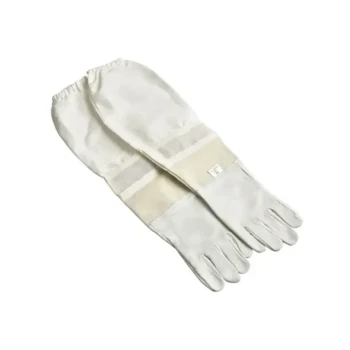
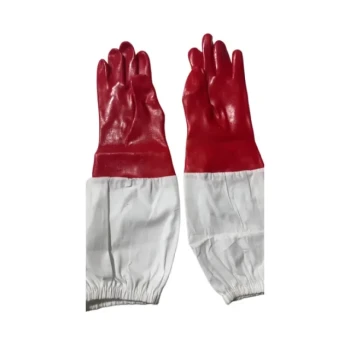
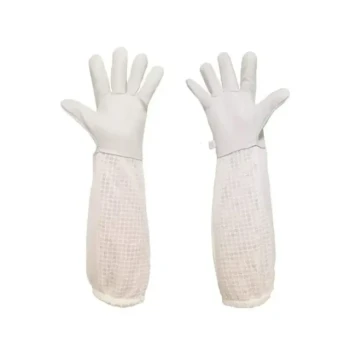
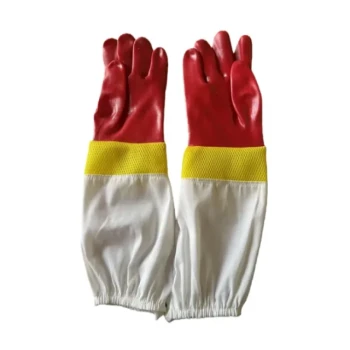
No, it is generally not advisable to use a washing machine. This is particularly true for leather beekeeping gloves, which are the industry standard. The mechanical agitation and prolonged soaking inherent in a machine cycle can cause the leather to shrink, harden, and degrade, effectively ruining the gloves' fit and protective qualities.
Core Takeaway Washing machines apply excessive force and moisture that compromise the structural integrity of leather gloves. To preserve dexterity and protection, you should rely exclusively on gentle hand-washing methods using mild agents.
Why Manual Cleaning is Essential
Preserving Material Integrity
The primary reason to avoid washing machines is the preservation of the leather. Beekeeping gloves require a balance of protection and flexibility.
The tumbling action of a machine treats the material too roughly. This leads to shrinking and a loss of the natural oils that keep the leather pliable.
Targeting Specific Residues
Machine washing is a generalized cleaning method. Beekeeping gloves accumulate specific, stubborn substances like propolis and beeswax.
These materials often require targeted mechanical action to remove. A machine cycle typically cannot dislodge sticky propolis from seams and creases without damaging the glove itself.
The Correct Cleaning Protocol
Preparation and Inspection
Before introducing water, use a soft brush to remove loose debris. This prevents dirt from turning into mud during the washing process and allows you to inspect the gloves for existing damage.
The "Hand-in-Glove" Technique
The most effective way to clean these gloves is to wear them while you wash them. Put the gloves on your hands and submerge them in lukewarm water.
This method provides necessary resistance. It allows you to scrub the gloves against themselves or use a tool with greater precision, mimicking the motion of washing your own hands.
Selecting the Right Cleaning Agents
Use a mild soap, dish soap, or a specialized leather cleaner. Avoid strong detergents that can strip the leather of its necessary oils.
If you encounter tough propolis buildup, a small amount of white vinegar can be effective. Its acidity helps break down the resin and offers antibacterial properties without damaging the material.
Detailed Scrubbing
Use a soft scrub brush or an old toothbrush for precision cleaning. Focus on the creases between fingers and the seams where wax and propolis tend to collect.
Gentle friction is key here. You want to lift the stain without abrading the surface of the leather.
The Importance of Rinsing
Rinse the gloves thoroughly under running water until every trace of soap is removed.
This step is critical. Leftover soap residue can dry out the leather as the water evaporates, leading to cracking and stiffness.
Common Pitfalls to Avoid
The Danger of Harsh Chemicals
Never use general household cleaners, bleach, or products containing harsh chemicals.
These substances are destructive to organic materials like leather. They can weaken the fibers, reducing the glove's lifespan and its ability to protect you from stings.
Scent and Hive Hygiene
Beekeeping is highly sensitive to scents. Harsh chemicals and strong detergents leave behind odors that can linger on the gloves.
Strong, artificial scents can disturb or agitate the bees during your next inspection. Using mild, neutral soaps ensures you do not inadvertently trigger a defensive response from the hive.
Making the Right Choice for Your Goal
- If your primary focus is longevity: Hand wash with mild soap and immediately rinse to prevent the leather from drying out and cracking over time.
- If your primary focus is hygiene: Use the "hand-in-glove" method to thoroughly remove sticky residues like honey and wax that can harbor pathogens.
- If your primary focus is propolis removal: Incorporate a small amount of white vinegar and a soft toothbrush to target stubborn buildup without damaging the glove.
By treating your gloves as a precision tool rather than laundry, you ensure they remain safe, supple, and effective for seasons to come.
Summary Table:
| Aspect | Washing Machine | Manual Hand-Washing |
|---|---|---|
| Material Safety | High risk of shrinking/hardening | Preserves leather oils & flexibility |
| Residue Removal | Poor (struggles with propolis/wax) | Effective (targeted scrubbing) |
| Bee Sensitivity | Detergent scents may agitate bees | Mild soaps ensure hive harmony |
| Recommended? | No | Yes (Industry Standard) |
Elevate Your Apiary with Professional-Grade Gear
Maintaining your tools is essential, but starting with the right equipment is the foundation of success. At HONESTBEE, we specialize in supporting commercial apiaries and distributors with premium wholesale solutions.
Whether you need durable protective gear, specialized hive-making machinery, or honey-filling equipment, our comprehensive portfolio is designed to enhance your operational efficiency. From essential consumables to honey-themed cultural merchandise, we provide the tools you need to grow.
Ready to scale your beekeeping business?
Contact HONESTBEE Today to explore our wholesale catalog and discover how our industry expertise can drive your success.
Related Products
- Goatskin Leather Beekeeper Gloves with Vent Long Sleeve for Beekeeping Honey Bee Sting Proof Protection
- Beekeeping Gloves Goatskin Leather with Long Cotton Sleeve for Beekeepers
- Goat Skin Leather Bee Sting Proof Beekeeping Gloves with Canvas Sleeve
- Heavy Duty Red Rubber Beekeeping Gloves with Extended Pure Cotton Sleeves for Beekeepers
- Premium Ventilated Goatskin Beekeeping Gloves with Full 3-Layer Mesh Sleeve
People Also Ask
- What are the characteristics of goatskin beekeeping gloves? Enhance Dexterity and Protection in Your Apiary
- Why is it important to have gloves available even if not always worn? Essential Risk Management for Beekeepers
- What are the primary purposes of using beekeeping gloves? Protect Your Hands and Ensure Apiary Hygiene
- Why do some experienced beekeepers opt not to wear gloves? Discover the Benefits of Tactile Precision
- Why is it important for beekeepers to wear gloves? Essential Safety and Confidence for Hive Management