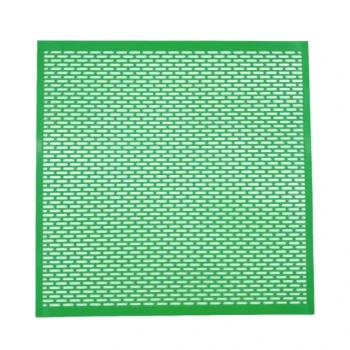
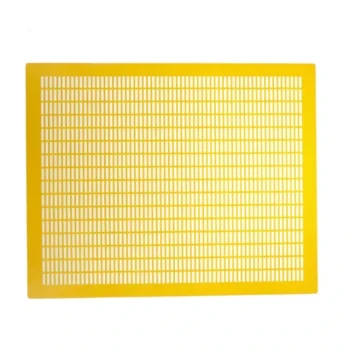
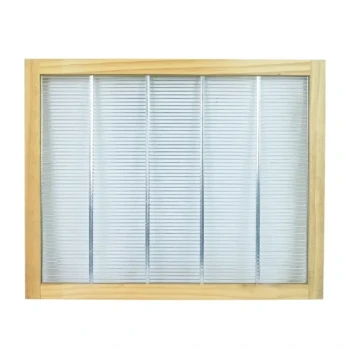
Yes, utilizing a queen excluder is considered best practice when managing a Flow hive. While operation without one is technically possible, using an excluder significantly reduces the risk of the queen ascending to the honey supers and laying eggs inside the mechanism of the Flow frames.
Core Takeaway The deep cell structure of Flow frames can inadvertently encourage the queen to lay drone brood within the honey super. Installing a queen excluder is the most reliable way to confine the queen to the brood box, ensuring your harvest remains pure honey and preventing the complication of brood developing inside the harvesting mechanism.
The Purpose of the Excluder in Flow Hives
Preventing Brood in the Harvesting Mechanism
The primary reason to use an excluder is the specific design of the Flow frames. The cells in these frames are deep, which the queen may interpret as ideal for laying drone brood.
If the queen accesses the Flow super, she may lay eggs in these cells. This complicates harvesting, as the mechanism is designed to split cells and drain honey, not to handle developing larvae or cocoons.
Keeping the Hive Organized
Using an excluder acts as a definitive management tool. It strictly confines the queen to the lower brood boxes.
This separation ensures that the upper boxes (supers) remain dedicated solely to honey storage. It also saves time during inspections, as you do not need to hunt through the honey supers to locate the queen.
Management Strategies Without an Excluder
The Natural Approach Risks
Some beekeepers prefer not to use excluders, viewing them as unnatural barriers. However, in a Flow hive, this introduces the specific risk of the queen migrating upward to lay drones.
If you choose to operate without an excluder, you must actively manage the colony's instinct to produce drones elsewhere to keep the queen satisfied in the lower boxes.
The Foundationless Frame Method
To minimize the likelihood of the queen moving up without an excluder, you should place an empty, foundationless frame within the brood chamber.
Bees naturally desire to build drone comb, which typically comprises about 20% of their total comb. By providing a dedicated space in the brood box for this natural construction, you reduce the queen's incentive to seek out the deep cells of the Flow frames for drone laying.
Understanding the Trade-offs
Installation Timing is Critical
You cannot simply leave an excluder on year-round or install it too early. It should only be added during a nectar flow when the hive is strong and populous.
If added to a weak hive, the bees may hesitate to cross the excluder to work in the supers. The brood box must be full of bees and brood before the excluder and Flow super are added.
Maintenance and Removal
While the excluder simplifies summer management, it must be removed at the end of the season.
Typically, this occurs between late July and mid-August after the honey harvest. Removing it allows the colony to cluster properly for winter and ensures the queen is not isolated from the warmth of the colony as temperatures drop.
Making the Right Choice for Your Goal
The decision ultimately depends on your management philosophy and your tolerance for risk regarding the Flow mechanism.
- If your primary focus is Ease of Harvest: Use a queen excluder to guarantee the Flow frames contain only honey and no brood.
- If your primary focus is Natural Beekeeping: You may skip the excluder, but you must provide a foundationless frame in the brood box to satisfy the queen's urge to lay drone brood.
Ultimately, using an excluder is the safest route to ensure the Flow hive functions exactly as intended.
Summary Table:
| Management Aspect | With Queen Excluder | Without Queen Excluder |
|---|---|---|
| Honey Purity | High - Guaranteed no larvae in frames | Risk of drone brood in honey cells |
| Harvesting Ease | Optimal - Mechanism stays clean | Difficult - Cocoons can jam mechanism |
| Management | Simple - Queen location is restricted | Intensive - Requires foundationless frames |
| Winter Prep | Must be removed for cluster movement | No removal needed |
| Bee Traffic | Slight barrier; requires strong flow | Natural movement throughout hive |
Scale Your Apiary Operations with HONESTBEE
At HONESTBEE, we specialize in empowering commercial apiaries and distributors with the high-quality equipment needed for efficient honey production. Whether you are managing Flow-style setups or traditional hives, we provide a comprehensive wholesale range of:
- Beekeeping Machinery: From advanced hive-making equipment to precision honey-filling machines.
- Essential Hardware: Durable queen excluders, hive tools, and heavy-duty extractors.
- Consumables & Merchandise: A full spectrum of industry essentials and honey-themed cultural goods.
Partner with a supplier that understands the technical demands of large-scale beekeeping. Contact us today to receive our latest wholesale catalog and expert consultation.
Related Products
- High Performance Plastic Queen Excluder for Beekeeping and Apiary Management
- Professional Plastic Queen Excluder for Modern Beekeeping
- Lightweight Durable Plastic Queen Excluder Scraper for Beekeeping
- Metal Queen Bee Excluder for Beekeeping
- Premium Wood Framed Metal Wire Queen Bee Excluder
People Also Ask
- What are the characteristics of a plastic queen excluder? Key Benefits for Cost-Effective Beekeeping
- What are the operational and cost advantages of using plastic queen excluders over metal or wire excluders in commercial hive management? Discover how they reduce labor, prevent wing damage, and lower total costs.
- What types of queen excluders are available for beekeepers? Choose the Right Tool for Your Hive
- Why are standardized hive frames and queen excluders essential for maintaining honey purity and quality? Scale Your Purity
- Do plastic queen excluders work? A Cost-Effective Solution for Modern Apiaries