Moving frame hives fundamentally alter honeybee germplasm surveys by replacing destructive harvesting with precise, non-invasive sampling. Unlike traditional methods that often necessitate the destruction of the hive or the use of fire, moving frame technology allows technicians to extract specific worker bee samples without harming the colony structure. This ensures the preservation of the genetic resource itself, allowing the colony to thrive long after the sample is taken.
The shift to moving frame hives transforms germplasm surveys from single-point data collection into continuous, longitudinal studies. By preserving the colony during sampling, researchers can maintain standardized observation protocols across different altitudes and localities over time.
The Mechanics of Non-Destructive Research
Preserving Colony Integrity
In traditional honey collection, accessing the comb often means destroying the nest. This renders the colony useless for future study.
Moving frame hives allow for the removal of individual frames. Researchers can access the brood and bees necessary for germplasm analysis without compromising the hive's structural integrity.
Eliminating External Interference
Traditional methods frequently utilize fire or heavy smoke to subdue bees during harvest. This can damage biological samples and introduce stress variables that skew data.
Moving frames facilitate extraction without these aggressive measures. This results in "cleaner" biological samples and ensures the behavioral data collected represents the colony's natural state.
Standardization and Long-Term Tracking
Enabling Longitudinal Studies
Germplasm surveys are most valuable when they track changes over time.
Because the colony survives the sampling process, moving frame hives allow for long-term observation. Researchers can return to the same specific colony to monitor development, disease resistance, and genetic traits across seasons.
Consistent Environmental Variables
To accurately compare germplasm resources, the living environment must be consistent.
Improved box hives provide a standardized physical structure. This creates a stable internal environment, ensuring that differences observed between colonies are due to genetics (germplasm) rather than variations in hive construction quality.
Geographic Versatility
Germplasm surveys often span diverse topographies.
The standardized nature of this equipment facilitates tracking colonies across different altitudes and localities. This makes moving frame hives essential infrastructure for mapping biodiversity on a macro scale.
Understanding the Operational Requirements
Technical Proficiency
While superior for research, moving frame hives require a higher level of technical skill to manage than traditional log or basket hives.
Technicians must be trained to manipulate frames gently to maintain the non-destructive advantage. Improper handling can still result in queen loss or colony aggression.
Management Interfaces
The transition requires adopting new management interfaces.
While this offers benefits like precise placement for pollination and potentially two harvests per year, it demands a more rigorous maintenance schedule compared to the "set and forget" nature of some traditional methods.
Optimizing Your Survey Methodology
To maximize the value of your germplasm resource survey, align your equipment choice with your specific research goals.
- If your primary focus is Genetic Preservation: Prioritize moving frames to ensure the survival of rare ecotypes for future breeding programs.
- If your primary focus is Longitudinal Data: Use the standardized structure of moving frames to eliminate environmental variables and track specific colonies across multiple seasons.
- If your primary focus is Geographic Mapping: Leverage the mobility of these hives to sample and compare distinct populations across varying altitudes.
Adopting moving frame hives is not just an equipment upgrade; it is a commitment to data integrity and the long-term sustainability of honeybee biodiversity research.
Summary Table:
| Feature | Traditional Hive Methods | Moving Frame Hives |
|---|---|---|
| Colony Impact | Destructive; often kills colony | Non-invasive; preserves colony |
| Data Type | Single-point collection | Longitudinal (long-term) tracking |
| Sample Quality | Contaminated by smoke/fire | Clean, natural biological samples |
| Environment | Irregular and inconsistent | Standardized physical structure |
| Scalability | Difficult to compare sites | Ideal for multi-altitude mapping |
| Harvesting | Destroys hive/brood | Precise and repeatable |
Elevate Your Beekeeping Operations with HONESTBEE
At HONESTBEE, we specialize in empowering commercial apiaries and distributors with the tools needed for modern, sustainable beekeeping. Whether you are conducting large-scale biodiversity mapping or optimizing honey production, our comprehensive wholesale portfolio has you covered.
Our Value to Your Business:
- Advanced Hardware: From precision-engineered moving frame hives to high-capacity honey-filling and hive-making machinery.
- Complete Supply Chain: A full spectrum of beekeeping tools, equipment, and essential industry consumables.
- Brand Growth: Expand your reach with our unique honey-themed cultural merchandise.
Ready to upgrade your infrastructure with professional-grade equipment? Contact HONESTBEE today to discuss our wholesale offerings and how we can support your growth in the beekeeping industry.
References
- Patrick Romuald Kenmogne Fotso, Alexis Téguia. Diversity of honey bee Apis mellifera subspecies (Hymenoptera: Apoidae) from the Western Highlands of Cameroon based on morpho-biometry. DOI: 10.46325/gabj.v5i3.125
This article is also based on technical information from HonestBee Knowledge Base .
Related Products
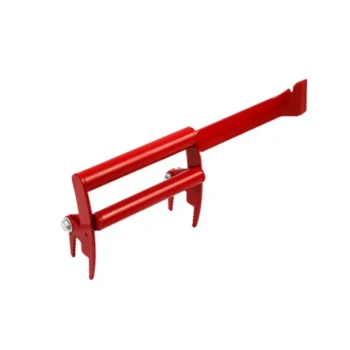
- Heavy-Duty Lever-Action Frame Grip with Hive Tool
- Wooden Bee Hive Frames for Beekeeping and Wholesale
- Plastic Bee Frame Beekeeping Hive Frames for Wholesale
- Professional Multi-Function Stainless Steel Hive Tool
- Professional Frame Comb Fork and Lifter for Efficient Handling
People Also Ask
- What is the purpose of using frame grips in beekeeping operations? Elevate Your Apiary Precision & Hive Safety
- What is a frame grip and how is it used? Secure Your Hive Inspections with Ease
- How does the frame lifter hive tool function? Master Safe and Gentle Frame Removal
- What is the specific design and purpose of a frame lifter hive tool? Master Gentle Hive Inspections
- How should Frame Grips be maintained after use? A Guide to Biosecurity and Tool Longevity