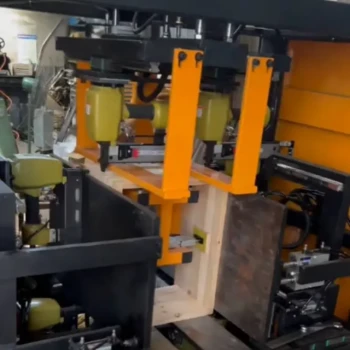
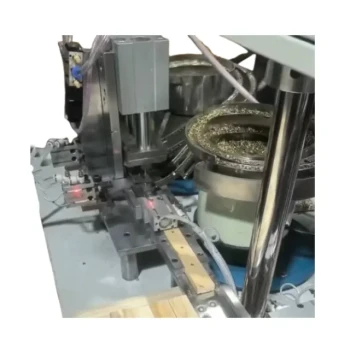
Industrial beehive manufacturing machinery provides critical structural integrity and operational scalability. By utilizing high-precision cutting and forming processes, this equipment ensures tight joinery and total component interchangeability. This results in hives that are durable enough to withstand the variable weather conditions of forests and meadows, effectively sealing out moisture and pests while supporting the rapid expansion of beekeeping operations.
The core value of this technology lies in standardization and defense. By eliminating the inconsistencies of manual construction, industrial machinery creates a weather-proof, interchangeable infrastructure that allows beekeepers to manage colonies efficiently at scale in rugged outdoor environments.
Enhancing Durability in Outdoor Environments
Weatherproofing Through Precision Joinery
The primary advantage of industrial machinery is the ability to create precise, tight-fitting connections between hive components. Unlike manual assembly, which may leave gaps, machine-cut joinery prevents water leakage during rainstorms common in forest and meadow settings.
Creating a Physical Barrier Against Pests
High-precision manufacturing ensures that hive bodies, bottom boards, and frames fit together seamlessly. This tight fit acts as a robust physical barrier, significantly reducing the entry of pests that threaten colony health.
Extending Hive Lifespan
By ensuring structural durability, industrially produced hives are better equipped to handle long-term exposure to the elements. This reduces the frequency of repairs and replacements needed for equipment stationed permanently in outdoor apiaries.
The Operational Value of Standardization
Total Component Interchangeability
Industrial machines produce components with consistent dimensions, guaranteeing that parts from one hive will fit perfectly with another. This is essential for efficient colony inspections and management, as frames and boxes can be swapped without friction.
Streamlined Logistics and Transport
Standardized dimensions facilitate the stable stacking of hives on transport vehicles. This is vital for migratory beekeeping, allowing apiaries to move hives between forests and farmlands with minimal logistical losses or instability.
Improved Biosecurity and Disease Control
A standardized physical environment is fundamental for maintaining biosecurity. Uniform equipment limits the cracks and crevices where pathogens hide, minimizing disease transmission and simplifying the cleaning and maintenance process.
Scaling Operations and Sustainability
Rapid Deployment of Infrastructure
Mechanized production enables the mass manufacture of hives, allowing beekeepers to quickly expand their "carrying capacity." This speed is crucial for capturing short-term resource flows, such as honeydew production in forests.
Conservation of Forest Habitats
Industrial manufacturing supports the transition from traditional honey hunting to managed beekeeping. By providing a structured alternative, it eliminates the need to fell trees or use fire to access wild honey, thereby preserving primary forest habitats.
Utilization of Sustainable Materials
These machines allow communities to manufacture manageable, high-quality hives from sustainable timber or even waste materials. This lowers the barrier to entry for local farmers and promotes organized, eco-friendly honey production.
Understanding the Operational Trade-offs
While the shift to industrial manufacturing offers immense benefits, it requires a strict adherence to uniform specifications.
The Rigidity of Standardization
Adopting industrially produced hives commits an operation to a specific standard (such as Langstroth). While this improves efficiency, it reduces flexibility; components from different manufacturing standards are rarely compatible. You must ensure all machinery and existing equipment align with the same dimensional standards to avoid costly integration issues.
Making the Right Choice for Your Goal
To maximize the value of industrial hive manufacturing, align your equipment choice with your primary operational objective:
- If your primary focus is Colony Health: Prioritize machinery that excels in precision joinery to ensure maximum water resistance and pest exclusion in damp forest environments.
- If your primary focus is Commercial Expansion: Focus on systems that guarantee high-volume output and total interchangeability to lower unit costs and simplify logistics.
- If your primary focus is Environmental Sustainability: Leverage machinery to produce standardized hives from local sustainable timber, replacing destructive wild harvesting methods.
Ultimately, industrial precision transforms the beehive from a simple shelter into a standardized tool that secures both the bees and the scalability of the business.
Summary Table:
| Feature | Industrial Machinery Advantage | Impact on Forest/Meadow Use |
|---|---|---|
| Joinery Precision | High-precision machine cutting | Prevents water leaks and moisture ingress in damp areas |
| Interchangeability | 100% standardized dimensions | Enables rapid box swapping and efficient colony management |
| Pest Defense | Tight-fitting components | Creates a physical barrier against mites, beetles, and pests |
| Scalability | High-volume mass production | Supports rapid expansion for commercial honey flow capture |
| Sustainability | Compatibility with sustainable timber | Eliminates the need for tree felling or destructive harvesting |
Scale Your Apiary with Industrial Precision
Transitioning to mechanized production is the key to managing large-scale operations in challenging environments. HONESTBEE empowers commercial apiaries and global distributors with the high-performance tools needed to succeed. From specialized hive-making machinery and honey-filling systems to a complete range of professional beekeeping hardware and consumables, we provide the infrastructure for your growth.
Whether you are upgrading your manufacturing capacity or sourcing wholesale equipment, our team is ready to deliver customized solutions for your business. Partner with HONESTBEE today — Contact Us to explore our comprehensive product portfolio and enhance your operational efficiency.
References
- Florentina Sandu, A. Stratu. Plant Species Important for Pollinating Insects. Case Study: Băiceni Locality (Botoşani County). DOI: 10.2478/abmj-2023-0009
This article is also based on technical information from HonestBee Knowledge Base .
Related Products
- High-Efficiency Pneumatic Bee Hive Making Machine for Rapid Box Assembly
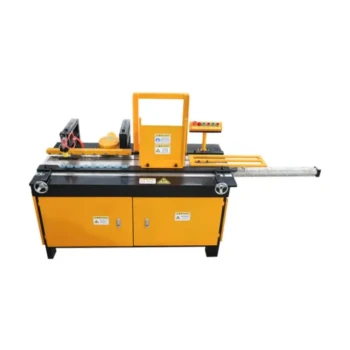
- HONESTBEE Top Bar & Bottom Bar Forming Machine | Bee Frame Machine
- Automatic High-Speed Bee Hive Box Stapling Machine
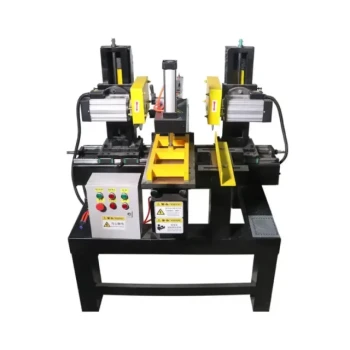
- Beehive Machine Double End Saw for Precision Hive Component Manufacturing
- Mini Desktop Bee Hive Frame Forming Making Machine
People Also Ask
- How does the introduction of professional beehive-making machinery benefit sustainable beekeeping? Scale Your Apiary
- Why is specialized beehive-making machinery critical for low-defense breeding? Enhance Selection with Precision Tools
- How does the introduction of specialized beehive making machinery contribute to increasing the scale of regional beekeeping industries?
- What is the importance of specialized beehive making machinery in a circular bio-economy? Build Local Sustainability
- Why is specialized beehive-making machinery essential? Scale Your Apiary with Precision Industrial Standards