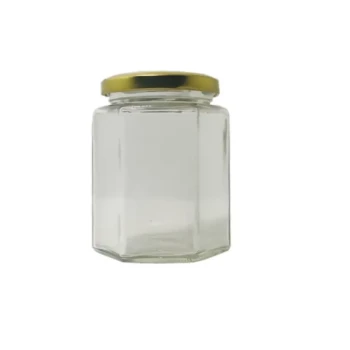
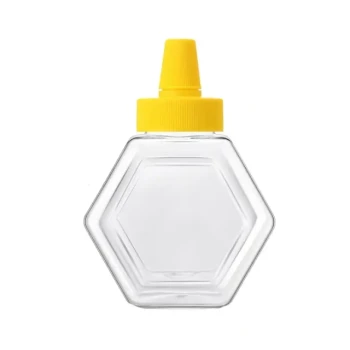
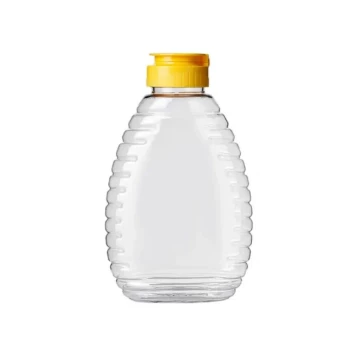
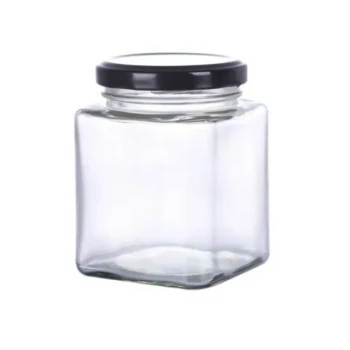
Tamper-evident features are specialized design elements on honey containers that provide a visible indication if the package has been opened or altered. These mechanisms, such as breakable seals or pop-up tabs, are critical for preserving the honey's safety, maintaining its quality, and ensuring the consumer that the product has remained untouched since leaving the producer.
Tamper-evident packaging serves as the primary line of defense for product integrity. It transforms a container from a simple vessel into a trusted guarantee of safety for the consumer.
Common Types of Tamper-Evident Mechanics
To understand how to protect your product, you must first understand the mechanisms available. These features vary in design but share a common goal: irreversibility.
The Induction or Inner Seal
This is a seal applied directly over the jar's opening, beneath the cap.
It creates an airtight barrier that the consumer must physically peel away or puncture. If this seal is missing or damaged upon removing the cap, the consumer knows immediately that the product is compromised.
The Pop-Up Safety Button
Common on metal lids, this feature relies on vacuum pressure.
The center of the lid contains a "button" that remains depressed while the jar is sealed under vacuum. When the lid is twisted open, the vacuum breaks, and the button pops up with an audible "click," providing both visual and auditory confirmation of freshness.
The Wrap-Around Breakable Seal
This is an external band, often made of plastic or paper, that bridges the lid and the neck of the container.
When the user twists the lid to open the jar, the material visibly tears or breaks. This offers an immediate, external visual cue that the package has been accessed.
Why Integrity Measures Are Non-Negotiable
While branding and aesthetics are important, the deep need addressed by these features is trust. Without them, the relationship between producer and consumer is fragile.
Ensuring Hygiene and Safety
Honey is a food product that is often stored for long periods.
Tamper-evident features prevent foreign contaminants, airborne particles, or biological agents from entering the container. They ensure the food-grade quality of the honey remains intact from the filling line to the kitchen table.
Building Consumer Confidence
Modern consumers are hyper-aware of product safety.
When a shopper sees a broken seal, they instinctively reject the product. Conversely, intact tamper-evident features provide the psychological reassurance necessary to close the sale.
Context and Trade-offs in Packaging Materials
When selecting packaging, you must balance the physical properties of the container with the security features required.
Plastic Container Versatility
Plastic containers are popular because they are lightweight, durable, and versatile.
They allow for unique branding opportunities, such as custom shapes like beehives or bears. However, because plastic can flex, the tamper-evident seal chosen must be robust enough to stay intact during shipping and handling.
Rigid vs. Flexible Seals
Rigid containers (like glass) often pair well with pop-up metal lids.
Flexible plastic containers typically rely on shrink bands or tear-away plastic rings. You must ensure the chosen security feature is compatible with the container material to prevent accidental breakage during transport.
Ensuring Quality for Your Product
Choosing the right tamper-evident feature depends on your specific product goals and distribution channels.
- If your primary focus is Consumer Trust: Prioritize features that offer immediate visual proof, such as a wrap-around seal that must be physically broken to open the jar.
- If your primary focus is Product Freshness: Utilize inner induction seals or vacuum-sealed pop-up tabs to ensure an airtight barrier against oxidation and moisture.
- If your primary focus is Branding: Choose custom-molded plastic containers, but ensure they are paired with a compatible tamper-evident cap to maintain safety standards.
The most effective packaging strategy combines robust protection with clear visual signals, ensuring your honey is enjoyed exactly as nature intended.
Summary Table:
| Feature Type | Mechanism | Primary Benefit |
|---|---|---|
| Induction Seal | Airtight foil/liner under the cap | Prevents leaks and ensures vacuum freshness |
| Pop-Up Button | Vacuum-sensitive metal lid center | Auditory and visual confirmation of first opening |
| Breakable Seal | External band bridging lid and jar | Immediate external proof of tampering |
| Tear-Away Ring | Plastic ring that detaches from cap | Low-cost, standard security for plastic containers |
Secure Your Harvest with HONESTBEE Packaging Solutions
At HONESTBEE, we understand that for commercial apiaries and distributors, product safety is the foundation of brand loyalty. We provide a comprehensive wholesale range of beekeeping tools, machinery, and honey-filling equipment designed to integrate the highest safety standards.
Whether you need specialized honey-filling machines with induction sealing capabilities or high-quality tamper-evident jars and hardware, our portfolio covers everything from essential consumables to honey-themed cultural merchandise.
Enhance your product security and scale your operations today. Contact our team of experts to find the perfect packaging and machinery solutions for your honey business!
Related Products
- Classic Honey Bear Jars with Flip Top Dispensing Cap for Liquid Sweeteners
- Automatic Single-Dose Snap & Squeeze Honey Sachets Packing Machine
- Hexagonal Glass Honey Jars with Metal Lug Caps Elegant Versatile Packaging
- Double Nozzle Small Honey Filling Machine Honey Sachet Packing Packaging Equipment
- Small Honey Filling Machine Sachet Packing Equipment Single Nozzle
People Also Ask
- What food safety standards must honey containers meet? Expert Guide to Packaging Integrity & Hygiene
- Why is it important to distinguish between weight and volume when selecting honey containers? Maximize Profits Now
- What are the benefits of purchasing honey containers in bulk? Maximize Margins & Secure Your Supply Chain
- What should be considered when choosing a container for honey to ensure effective sealing? Master Honey Packaging Success
- What is the best container to store honey in? Preserve Purity & Flavor for Years