Environment-controlled wintering sheds significantly increase honeybee survival rates by strictly regulating the ambient conditions surrounding the colonies. These facilities utilize integrated temperature controls, ventilation systems, and light-shielding designs to create a stable microclimate, effectively isolating bees from the extreme cold and sharp temperature fluctuations that cause colony collapse in natural outdoor settings.
By stabilizing the environment at approximately 4-5°C, these sheds minimize the physiological stress on the colony, shifting the bees' focus from energy-intensive thermoregulation to resource conservation.
Reducing Metabolic Energy Consumption
The primary mechanism by which these sheds improve survival is the drastic reduction of metabolic stress.
Optimizing the "Cluster" Temperature
In outdoor wintering, bees must consume vast amounts of honey to generate the heat required to keep the colony alive. Environment-controlled sheds maintain an ambient temperature of 4-5°C, which is widely considered the optimal range for overwintering.
Preserving Energy Reserves
Because the ambient air is not freezing, the colony does not need to work as hard to maintain its core cluster temperature.
This conservation of energy means food stores last longer. It directly reduces mortality rates linked to starvation or exhaustion during long periods of confinement.
Creating Stability Through Climate Control
Beyond simple temperature regulation, these sheds manage other critical environmental factors to ensure colony health.
Eliminating Weather Volatility
Outdoor colonies are vulnerable to "sharp temperature fluctuations"—rapid freezes or sudden thaws.
Sheds eliminate these variables. By providing a consistent environment, they prevent the stress cycles that weaken bee immune systems.
Managing Moisture and Humidity
Supplementary data indicates that these facilities often maintain 50-60% relative humidity.
This control prevents the buildup of excess moisture, which can be just as deadly as the cold itself, while ensuring the air isn't so dry that it dehydrates the bees.
Controlling Activity Levels
The light-shielding designs incorporated into these sheds are essential.
By keeping the environment dark and cool, the facility suppresses the bees' natural instinct to fly. This keeps the colony in a dormant, energy-saving state until spring conditions are truly viable.
Understanding the Trade-offs
While environment-controlled sheds offer superior protection, they represent a significant shift in operational complexity compared to outdoor wintering.
Reliance on Infrastructure
These sheds function as "critical hardware." This implies a dependence on industrial-grade systems for power, ventilation, and heat. A mechanical failure during a cold snap could be catastrophic for all colonies housed within.
Separation from Natural Cues
Because the environment is artificial, bees are disconnected from natural weather cues.
Operators must carefully manage the transition back to the outdoors. If released too early or too late relative to the actual spring bloom, the colony's recovery potential could be compromised.
Making the Right Choice for Your Goal
Deciding between indoor environment-controlled wintering and outdoor methods depends on the scale and resources of your operation.
- If your primary focus is maximizing survival in large-scale operations: Invest in environment-controlled sheds to standardize conditions and virtually eliminate weather-related mortality.
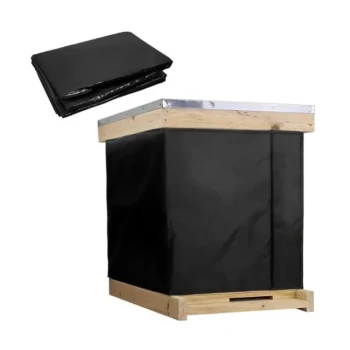
- If your primary focus is managing capital expenditure: Utilize specialized hive wraps and precision outdoor systems, which offer improved insulation without the high overhead of climate-controlled infrastructure.
- If your primary focus is spring population recovery: Prioritize the stable 4-5°C indoor environment, as it preserves the colony's vital energy reserves for rapid growth once foraging begins.
By removing the variables of nature, environment-controlled sheds transform winter from a fight for survival into a period of managed conservation.
Summary Table:
| Feature | Environment-Controlled Sheds | Outdoor Wintering |
|---|---|---|
| Temperature | Stable 4-5°C (Optimal) | Fluctuating & Extreme Cold |
| Energy Stress | Low; resource conservation focus | High; intensive thermoregulation |
| Humidity Control | Integrated (50-60% RH) | High risk of moisture buildup |
| Activity Levels | Dormancy via light-shielding | Risk of premature flight/death |
| Survival Rate | Significantly Higher | Variable; weather-dependent |
Secure Your Apiary’s Future with HONESTBEE
Transitioning to controlled wintering requires more than just a shed; it requires industrial-grade reliability. HONESTBEE empowers commercial apiaries and distributors with the specialized hardware needed to optimize colony health year-round. From advanced hive-making and honey-filling machinery to a full spectrum of beekeeping tools and consumables, we provide the comprehensive wholesale solutions your business demands.
Don't leave your colony survival to chance. Let us help you scale your operations with precision equipment and expert support. Contact HONESTBEE today to explore our wholesale catalog and elevate your beekeeping productivity.
References
- Dan Aurell, Geoffrey R. Williams. A national survey of managed honey bee colony losses in the USA: Results from the Bee Informed Partnership for 2020–21 and 2021–22. DOI: 10.1080/00218839.2023.2264601
This article is also based on technical information from HonestBee Knowledge Base .
Related Products
People Also Ask
- What are the steps to properly wrap a beehive for winter? Ensure Your Colony Survives the Cold
- When is the best time to wrap a beehive for winter? A Guide to Perfect Winterization Timing
- How do professional insulation wraps provide protection for bee colonies? Optimize Winter Survival & Energy Efficiency
- What are the technical benefits of using winter wraps for beehive insulation? Boost Colony Survival & Hive Health
- What are the benefits of using insulated covers for hives? Ensure Colony Survival and Health