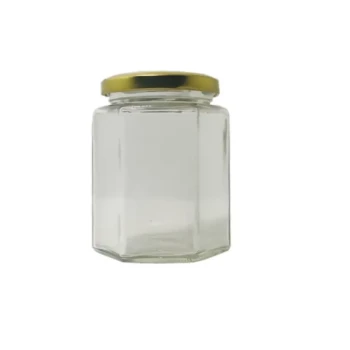
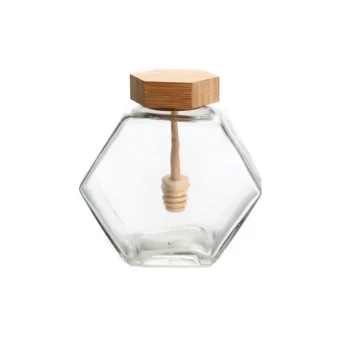
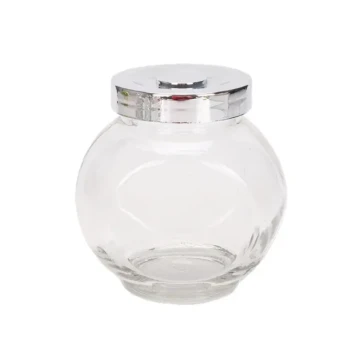
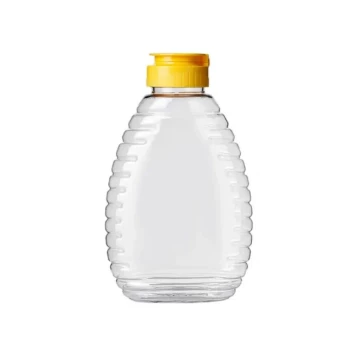
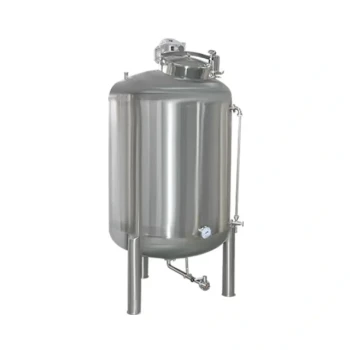
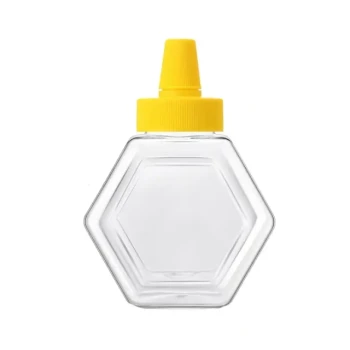
Industrial-grade honey packaging containers provide a critical advantage over traditional woven bags by offering superior sealing capabilities that effectively block moisture and external contaminants. While woven bags are permeable and prone to allowing impurity intrusion, industrial-grade containers create a stable environment that preserves the honey's natural flavor, prevents fermentation, and significantly extends the product's shelf life.
The Core Insight The choice of packaging is the primary defense against honey's natural tendency to absorb moisture and degrade. Switching to industrial-grade containers is an economic safeguard that prioritizes the maintenance of physicochemical stability over simple containment.
The Science of Preservation
Superior Moisture Barriers
Honey is naturally hygroscopic, meaning it actively absorbs moisture from the air. Industrial-grade containers provide an airtight seal that woven bags simply cannot match. This barrier prevents the moisture content of the honey from rising, which is the leading cause of fermentation and spoilage.
Blocking External Odors
Because honey easily absorbs surrounding scents, porous packaging exposes the product to environmental contamination. Industrial-grade packaging effectively isolates the honey from external odors, ensuring the original floral aroma remains intact during long-term storage or transport.
Quality Control and Purity
Eliminating Physical Impurities
Traditional woven bags present a high risk of allowing dust, debris, or bag fibers to enter the honey. Industrial containers are designed to be impermeable, preventing the intrusion of impurities that would otherwise compromise the purity of the batch.
Maintaining Physicochemical Stability
To retain its value, honey must maintain its specific physical and chemical properties. Industrial packaging stabilizes these indicators by minimizing gas exchange and environmental exposure, whereas woven bags often lead to noticeable quality degradation over time.
Economic Impact
Preventing Financial Loss
The degradation caused by poor packaging leads to direct economic losses through spoiled inventory. By using industrial-grade containers, producers avoid the costs associated with fermented or contaminated honey.
Extending Shelf Life
By controlling the storage environment, industrial containers significantly extend the viable shelf life of the product. This allows for longer transport durations and storage periods without the risk of the honey spoiling before it reaches the market.
Understanding the Trade-offs
Weight and Space Considerations
While industrial containers offer superior protection, they are generally rigid and may require more specific handling protocols than flexible woven bags. However, this rigidity is a necessary trade-off to ensure the structural integrity and seal required to protect the cargo.
Cost vs. Value Retention
Woven bags may appear to be a lower-cost consumable upfront. However, when weighed against the potential for product loss and quality reduction, the investment in industrial-grade containers acts as insurance for your product's market value.
Making the Right Choice for Your Logistics
When deciding between packaging options, consider the duration of storage and the value of your yield.
- If your primary focus is Long-Term Storage: Prioritize industrial-grade containers to prevent fermentation caused by moisture absorption over time.
- If your primary focus is Product Purity: Use industrial containers to ensure absolutely no foreign odors or physical impurities migrate into the honey.
- If your primary focus is Transport Stability: Choose industrial packaging to maintain physicochemical consistency despite changing environmental conditions.
Invest in the barrier, not just the bag; your packaging is the only thing standing between premium honey and a spoiled product.
Summary Table:
| Feature | Industrial-Grade Containers | Traditional Woven Bags |
|---|---|---|
| Sealing Capability | Airtight & Moisture-proof | Permeable & Prone to Leaks |
| Protection | High Barrier against Odors/Dust | High Risk of Contamination |
| Preservation | Prevents Fermentation | High Risk of Spoilage |
| Durability | Rigid Structural Integrity | Flexible but Vulnerable |
| Shelf Life | Significantly Extended | Shortened due to Exposure |
Maximize Your Honey Quality with HONESTBEE
Protect your liquid gold and safeguard your commercial apiary's profitability. At HONESTBEE, we specialize in providing professional-grade beekeeping equipment and industrial storage solutions tailored for commercial apiaries and wholesale distributors.
Our extensive portfolio includes everything from honey-filling machines to durable industrial packaging and specialized hardware. By choosing HONESTBEE, you gain a partner dedicated to maintaining your product's purity from the hive to the market.
Ready to upgrade your honey logistics?
Contact our specialists today to discuss our wholesale offerings!
References
- Siyoum Yifru Feyissa. Review on Honey Value Chain in Ethiopia. DOI: 10.7176/jmcr/84-01
This article is also based on technical information from HonestBee Knowledge Base .
Related Products
- Hexagonal Glass Honey Jars with Metal Lug Caps Elegant Versatile Packaging
- Modern Square Glass Honey Jar with Twist Off Lid
- Hexagonal Glass Honey Jar with Wooden Lid Integrated Dipper Elegant Functional Storage
- Premium Stainless Steel Honey Tank Bucket Pail with Reinforced Handle and Polished Finish
- Classic Round Glass Honey Jar with Lid
People Also Ask
- What is the aesthetic appeal of using glass jars for honey? Elevate Your Brand with Premium Packaging
- What are the logistical challenges associated with using glass jars for honey packaging? Navigating Weight & Fragility
- What are the advantages of glass containers for honey? Elevate Quality and Market Value with Premium Packaging
- What are the technical advantages of using glass jars for honey? Master Commercial Packaging for Premium Purity
- What are the advantages of using glass jars for honey packaging? Preserve Purity & Elevate Your Brand