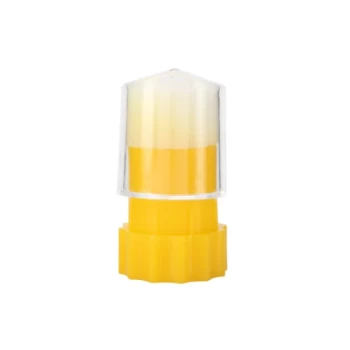
Standardized plastic queen cups provide distinct advantages in uniformity and durability for commercial operations. Unlike natural cells, these manufactured tools feature smooth, identical internal walls that facilitate large-scale larval grafting while significantly minimizing physical damage to delicate larvae during transfer.
By replacing irregular natural wax with standardized plastic, beekeepers create a predictable rearing environment. This consistency is the key to boosting larval acceptance rates and stabilizing royal jelly yields in commercial settings.
The Mechanics of Consistency
Uniform Internal Geometry
Natural queen cells vary in shape, depth, and texture. Standardized plastic cups eliminate this variability.
They offer precise, uniform specifications across every single unit. This exactness ensures that every larva experiences the same spatial environment, removing physical variables that could negatively impact development.
Protecting the Larvae
The grafting process—moving tiny larvae from comb to cup—is delicate. Plastic cups feature smooth internal walls specifically designed to accommodate this transfer.
This smooth surface minimizes the risk of physical injury to the larvae caused by the irregular or rough textures often found in natural wax constructions.
Operational Efficiency and Yield
Increasing Acceptance Rates
In commercial breeding, success is measured by how many grafted larvae the worker bees choose to rear.
The uniformity of plastic cups encourages worker bees to secrete royal jelly evenly. This consistent stimulus leads to a higher overall acceptance rate of the grafted larvae compared to irregular natural cells.
Stabilizing Production
For operations focused on royal jelly, stability is crucial. Because the cups promote even secretion by the nurse bees, the royal jelly yield becomes more predictable and stable.
This transforms royal jelly production from a variable, nature-dependent outcome into a more controlled, industrial process.
Understanding the Operational Context
Infrastructure Requirements
Adopting plastic queen cups is part of a broader shift toward modern, modular beekeeping.
Just as modern frame hives allow for non-destructive honey harvesting and inspection, using plastic cups requires a commitment to using specialized tools. It represents a move away from subsistence methods where bees build their own infrastructure, toward a managed system where the beekeeper provides the "hardware" to maximize output.
The "Artificial" Trade-off
While highly efficient, plastic cups are rigid. Natural wax cells built by bees are adaptable and reconstructed as needed by the colony.
Using plastic imposes a fixed structure on the colony. While this drives efficiency (up to 3-4 times the output in modern systems), it requires the beekeeper to manage the cleaning and maintenance of these reusable tools, rather than letting the bees simply recycle wax.
Making the Right Choice for Your Goal
To determine if standardized plastic cups align with your operation, consider your primary production targets:
- If your primary focus is Commercial Queen Rearing or Royal Jelly: You should utilize plastic cups to maximize larval acceptance and ensure consistent jelly secretion.
- If your primary focus is Subsistence or Natural Beekeeping: You may prefer natural cells to minimize input costs and rely on the colony's natural construction behaviors.
Standardization is the essential infrastructure required to transition from hobbyist uncertainty to commercial predictability.
Summary Table:
| Feature | Plastic Queen Cups | Natural Queen Cells |
|---|---|---|
| Shape & Size | Uniform and precise internal geometry | Irregular, variable depth and texture |
| Larval Safety | Smooth walls minimize physical damage | Higher risk of injury during grafting |
| Acceptance Rate | High; encourages even worker stimulus | Variable; depends on cell consistency |
| Production Yield | Stable and predictable royal jelly output | Unstable and nature-dependent |
| Application | Commercial queen rearing & royal jelly | Small-scale or natural beekeeping |
| Maintenance | Reusable; requires cleaning | Single-use; recycled by bees |
Scale Your Apiary Production with HONESTBEE
Transitioning from hobbyist uncertainty to commercial predictability requires the right infrastructure. HONESTBEE empowers commercial apiaries and distributors with the high-quality tools needed to maximize output.
Whether you are looking for standardized queen rearing supplies, advanced honey-filling machines, or durable hive-making hardware, our comprehensive wholesale portfolio has you covered. We supply everything from essential consumables to specialized beekeeping machinery designed for industrial-scale success.
Ready to stabilize your yields and optimize your operation?
Contact HONESTBEE Today for Wholesale Solutions
References
- A. Sherif, K.I.M. Helaly. FACTORS AFFECTING THE ACCEPTANCE OF HONEYBEE QUEEN CUPS AND ROYAL JELLY PRODUCTION. DOI: 10.21608/mjapam.2018.123952
This article is also based on technical information from HonestBee Knowledge Base .
Related Products
- JZBZ Type Wide Base Plastic Queen Cell Cups for Base Mounting and Queen Rearing
- Clear Black Plain Polystyrene Queen Bee Grafting Cell Cups No Lug for Bee Queen Cup
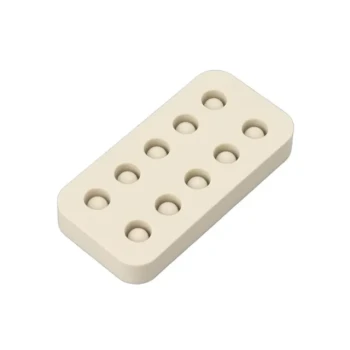
- 10-Cell Silicone Beeswax Bee Queen Cups Forming Mold
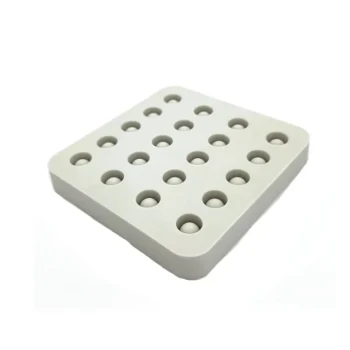
- High-Efficiency 20-Cell Silicone Mold for Beeswax Bee Queen Cup Production
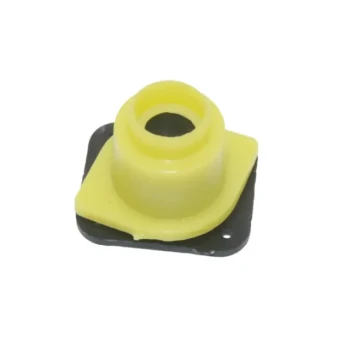
- Durable Plastic Push In Queen Bee Cage
People Also Ask
- What is the primary function of commercial plastic queen cell cups? Driving Efficiency in Mass Queen Rearing
- What are the primary advantages of using plastic queen cell cups? The Industrial Choice for High-Efficiency Apiaries
- What technical advantages do commercial plastic queen cell cups offer? Scale Your Queen Rearing for Maximum Efficiency
- What is the function of standardized plastic Queen Cell Cups? Boost Efficiency in Commercial Larval Grafting
- Why are standardized plastic queen cell cups preferred? Boost Commercial Queen Rearing Efficiency