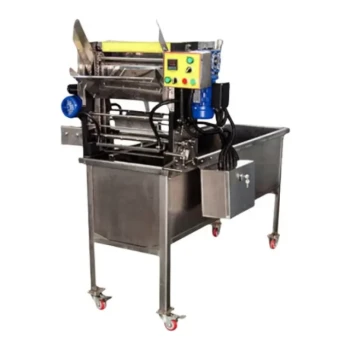
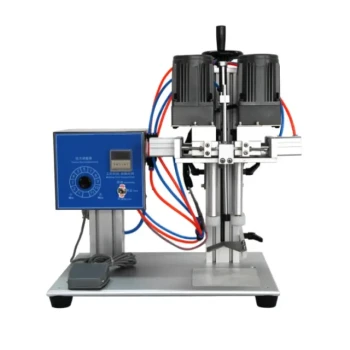
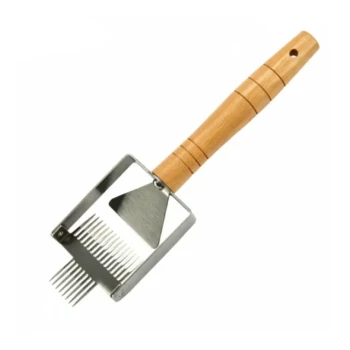
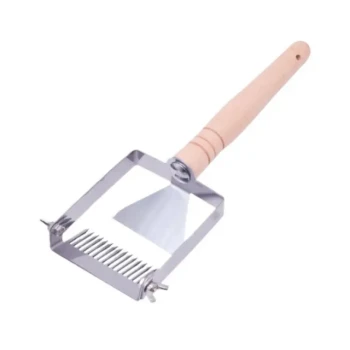
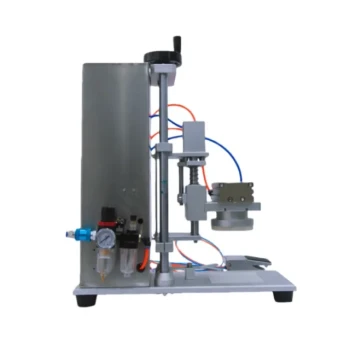
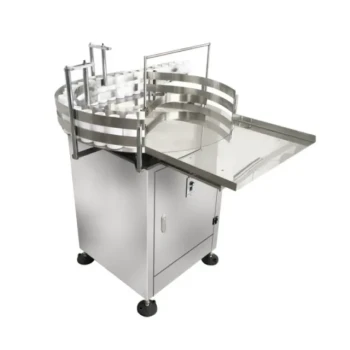
The transition to an automatic uncapping machine represents a fundamental shift from reliance on manual dexterity to mechanized consistency. The primary advantages over manual operations are a drastic increase in labor productivity and the achievement of uniform uncapping depth. This automation removes the most significant bottleneck in the extraction line, allowing processors to handle higher volumes with greater speed and less physical effort.
Core Takeaway Automatic uncapping transforms honey processing from a craft-dependent task into a scalable industrial workflow. By standardizing the depth of the cut, these machines protect the integrity of the honeycomb for future reuse while significantly lowering long-term production costs.
Operational Efficiency and Speed
The most immediate impact of automation is the removal of the physical constraints associated with manual uncapping.
Removing the Bottleneck
Manual uncapping requires significant time and physical effort to slice wax caps off each frame. Automatic machines use mechanical methods to open these channels almost instantly.
Increasing Labor Productivity
By automating the removal of beeswax caps, a single operator can process frames at a rate that would require multiple skilled workers to match manually. This allows your team to focus on other critical areas of the extraction line, effectively reducing labor hours per batch.
Precision and Asset Preservation
Beyond speed, the quality of the cut determines the longevity of your equipment. The primary reference highlights precision as a critical differentiator.
Uniform Uncapping Depth
Manual uncapping is subject to human error and fatigue, leading to uneven cuts. Industrial-grade machines are calibrated to maintain a specific, consistent depth across every frame processed.
Minimizing Honeycomb Damage
Because the mechanical action is precise and controlled, it prevents the accidental gouging or deep slicing often caused by manual knives. This preservation of the comb structure is vital for the biological cycle of the apiary.
Maximizing Frame Reusability
The primary benefit of minimizing damage is the ability to return intact frames to the hive. Because the comb structure remains sound, bees spend less energy rebuilding wax and more energy producing honey, which indirectly boosts future yield.
Understanding the Trade-offs
To make an informed decision, you must weigh the benefits against the limitations inherent in standardization.
Handling Irregular Frames
While machines excel at "uniform depth," nature is not always uniform. Frames with low spots or uneven comb surfaces may be missed by a mechanical blade set to a fixed depth, requiring a manual "scratching" follow-up to open missed cells.
Capital vs. Operational Cost
Manual operations have low upfront costs (knives) but high operational costs (labor). Automatic machines reverse this, requiring a significant initial capital investment to reduce long-term operational expenses.
Making the Right Choice for Your Goal
The decision to automate should be based on your current production volume and future scaling targets.
- If your primary focus is rapid scaling: Invest in automation to eliminate labor bottlenecks and maximize daily throughput.
- If your primary focus is cost reduction: Transition to automatic uncapping to lower the cost-per-frame through improved labor efficiency and extended frame lifespan.
Standardizing your uncapping process is the first step toward achieving industrial-grade consistency and profitability.
Summary Table:
| Feature | Manual Uncapping | Automatic Uncapping Machine |
|---|---|---|
| Processing Speed | Slow; dependent on human dexterity | High-speed; continuous industrial flow |
| Labor Requirement | High; multiple skilled workers needed | Low; typically requires a single operator |
| Cut Precision | Variable; prone to human error | Consistent; calibrated mechanical depth |
| Comb Preservation | High risk of accidental gouging | Optimized for frame reusability |
| Scalability | Limited by physical labor | High; designed for industrial scaling |
| Cost Structure | Low upfront / High operational | High upfront / Low long-term operational |
Revolutionize Your Honey Processing with HONESTBEE
Transitioning to automation is the key to scaling your apiary operations. At HONESTBEE, we specialize in providing commercial apiaries and distributors with high-performance beekeeping machinery designed to eliminate production bottlenecks.
From precision automatic uncapping machines and honey-filling systems to a complete range of industrial-grade tools and consumables, we offer the wholesale solutions you need to maximize yield and reduce labor costs.
Ready to upgrade your workflow? Contact us today to discover how our equipment can enhance your efficiency and profitability!
References
- Alfio Strano, Gıovannı Gulısano. Profitability Analysis of Small-Scale Beekeeping Firms by Using Life Cycle Costing (LCC) Methodology. DOI: 10.3844/ajabssp.2015.116.127
This article is also based on technical information from HonestBee Knowledge Base .
Related Products
- Automatic Honey Frame Uncapper Machine for Beekeeping
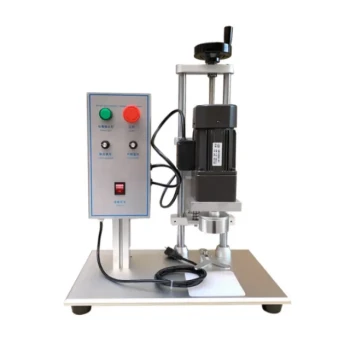
- Semi Automatic Electric Bottle Capping Machine
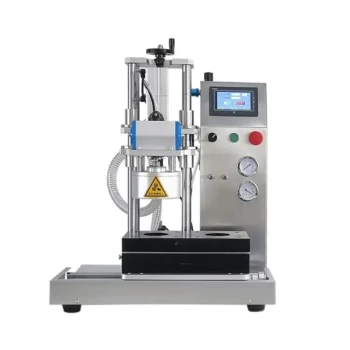
- Semi-Automatic Vacuum Capping Machine with Pneumatic Control for Glass Jars
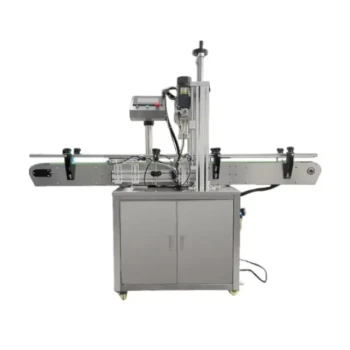
- Automatic Inline Spindle Bottle Capping Machine for Honey Production
- Professional Electric Honey Uncapping Knife with Heated Digital Temperature Control for Beekeeping
People Also Ask
- What is the primary goal when choosing an uncapping method? Maximize Honey Yield & Comb Integrity
- What is the process of uncapping frames in beekeeping? Master the Best Methods for Maximum Honey Yield
- How are honey frames prepared before extraction? Master the Hive-to-Honey-House Process
- What is the process of uncapping honey frames before extraction? Expert Guide to Efficient Honey Harvesting
- What specialized tools are used to uncap honey frames prior to extraction? Top Uncapping Tools for Efficient Harvesting