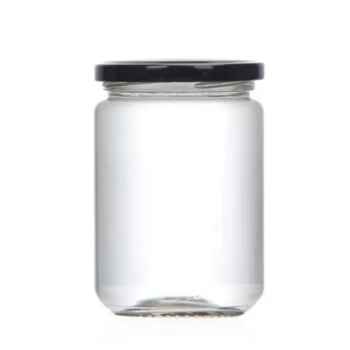
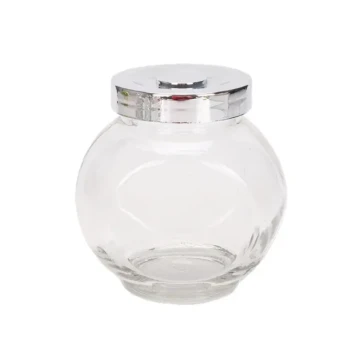
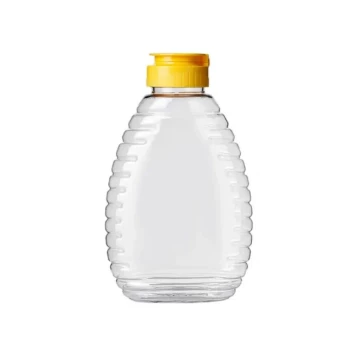
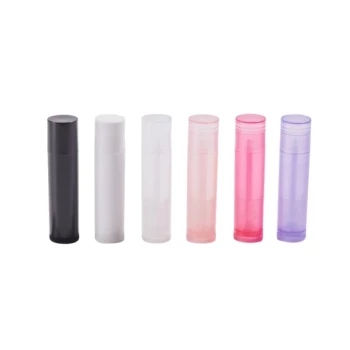
The use of small-capacity, light-proof containers is the most effective strategy for maintaining the chemical stability and commercial value of royal jelly. These specific vessels simultaneously minimize the surface area exposed to oxygen and block harmful ultraviolet radiation, preventing the rapid degradation of sensitive bioactive compounds.
Core Takeaway Royal jelly is chemically unstable and prone to rapid spoilage when exposed to the elements. Using small, opaque vessels serves a dual purpose: it physically limits oxidation by reducing air contact and creates a necessary barrier against photo-decomposition, safeguarding critical markers like 10-HDA.
Mechanisms of Preservation
Reducing Oxidative Stress
The primary benefit of a small-capacity container is the reduction of the jelly's surface area exposed to air. Oxygen is a primary enemy of royal jelly, fueling rapid spoilage.
By limiting the volume of air inside the packaging, you significantly lower the risk of oxidation. This preserves the freshness and biological integrity of the product from the moment of harvest.
Blocking Photo-Oxidation
Royal jelly contains light-sensitive active components, specifically 10-hydroxy-2-decenoic acid (10-HDA), proteins, and fatty acids. Exposure to light triggers photo-oxidation reactions that decompose these nutrients.
Light-proof or opaque packaging effectively blocks ultraviolet rays. This shielding prevents the chemical breakdown of these vital ingredients, maintaining the jelly's medicinal properties and antioxidant capacity.
Operational and Analytical Benefits
Streamlined Sampling
Beyond chemistry, container size impacts quality control. Small, standardized containers allow for easier sampling during the analysis phase.
Operators can isolate a single unit for testing without exposing a large bulk batch to the environment. This ensures the integrity of the remaining stock is never compromised during quality assurance checks.
Precision Data Recording
Using small, uniform containers allows for tighter integration with modern production lines. These containers are compatible with precision scales, facilitating real-time data recording.
This capability allows producers to track production volume accurately and maintain rigorous inventory control immediately after the jelly is harvested.
The Limitations of Packaging Alone
Temperature Dependency
While light-proof containers are essential, they are not a complete solution on their own. The protective benefits of the container must be paired with ultra-low temperature environments (typically -18°C to -20°C).
Without deep freezing, enzymatic reactions and microbial growth will still occur, regardless of the container's opacity. The container protects against light and air, but the cold protects against heat-induced degradation.
Logistics of Volume
Utilizing many small containers increases the logistical complexity compared to bulk storage. While this maximizes quality, it increases the handling requirements for storage and transport.
Making the Right Choice for Your Goal
To maximize the efficacy of your royal jelly storage, align your packaging strategy with your end goals:
- If your primary focus is Potency Preservation: Combine opaque, light-blocking glass with deep freezing (-20°C) to lock in 10-HDA and protein levels.
- If your primary focus is Production Management: Utilize standardized small vessels that interface directly with digital precision scales for accurate yield tracking.
- If your primary focus is Quality Assurance: Isolate harvest batches into individual small units to facilitate non-destructive sampling and analysis.
By treating the container as a precision tool rather than simple packaging, you ensure the biological activity and market value of the royal jelly remain intact from the apiary to the consumer.
Summary Table:
| Feature | Protection Mechanism | Key Benefit |
|---|---|---|
| Small Capacity | Reduces air-to-product surface area | Minimizes oxidation and maintains freshness |
| Light-proof (Opaque) | Blocks UV and ambient light radiation | Prevents photo-decomposition of 10-HDA and proteins |
| Standardized Size | Facilitates isolated batch sampling | Enables easier quality control without bulk exposure |
| Scale Compatibility | Interfaces with precision digital scales | Accurate production tracking and inventory management |
Elevate Your Royal Jelly Production with HONESTBEE
Preserving the delicate bioactive compounds of royal jelly requires more than just standard storage—it requires precision-engineered solutions. HONESTBEE specializes in supporting commercial apiaries and distributors by providing a comprehensive range of professional beekeeping tools, machinery, and specialized packaging.
From automated filling machines designed for precision to high-quality consumables that safeguard your harvest, we deliver the hardware you need to maintain market value. Partner with us to scale your operations and ensure your products meet the highest industry standards.
Ready to optimize your apiary’s efficiency? Contact HONESTBEE today to explore our wholesale equipment and specialized machinery solutions!
References
- A. Sherif, K.I.M. Helaly. FACTORS AFFECTING THE ACCEPTANCE OF HONEYBEE QUEEN CUPS AND ROYAL JELLY PRODUCTION. DOI: 10.21608/mjapam.2018.123952
This article is also based on technical information from HonestBee Knowledge Base .
Related Products
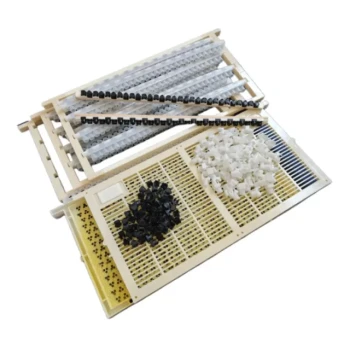
- No Grafting Queen Rearing Kit: System for Royal Jelly Production and Queen Rearing
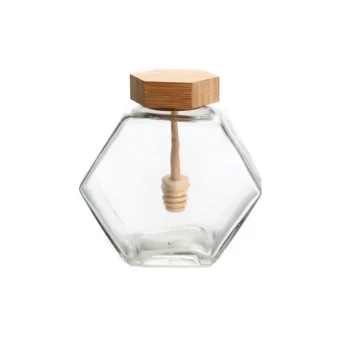
- Hexagonal Glass Honey Jar with Wooden Lid Integrated Dipper Elegant Functional Storage
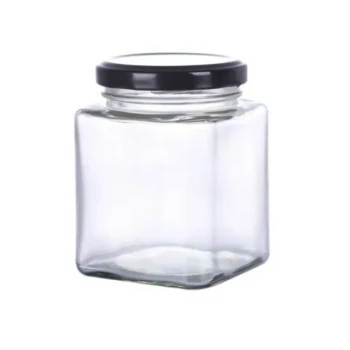
- Modern Square Glass Honey Jar with Twist Off Lid
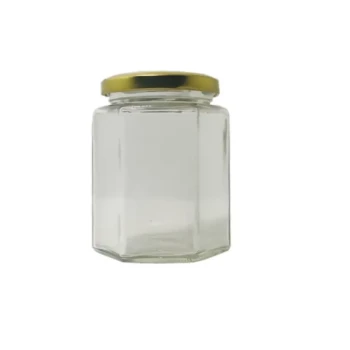
- Hexagonal Glass Honey Jars with Metal Lug Caps Elegant Versatile Packaging
- Classic Round Glass Honey Jar with Lid
People Also Ask
- What is the primary function of a queen rearing kit? Eliminate Manual Grafting for Superior Bee Breeding
- How do specialized queen rearing kits and queen management tools improve the success rate of bee colony expansion?
- What are some alternative methods to grafting for queen cell production? Discover Graft-Free Queen Rearing Systems
- Are queen rearing systems generally suitable for all honeybee species? Master Efficient Breeding Methods
- Are queen rearing systems suitable for all beekeepers? Modern Tools for Every Experience Level