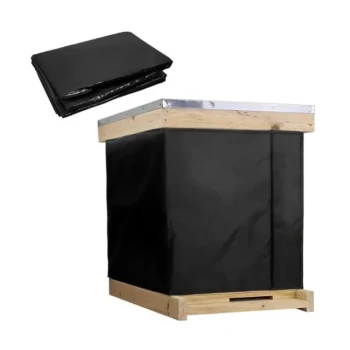
The primary advantage of insulated beehives is their ability to stabilize the internal environment using materials with high thermal resistance. By effectively reducing heat loss through the hive walls, these structures allow the bee colony to maintain a consistent cluster temperature without engaging in excessive metabolic activity.
By minimizing thermal loss, insulated hives allow colonies to conserve vital honey stores and energy, serving as a critical factor in increasing survival rates during harsh winters.
The Mechanics of Thermal Regulation
High Thermal Resistance
Standard wooden hives offer limited protection against extreme cold, acting merely as a container.
Insulated hives utilize specialized materials designed specifically to resist thermal transfer. This creates a barrier that prevents the rapid escape of heat generated by the bees.
Stabilizing the Cluster Temperature
Bees survive winter by forming a tight cluster to generate and conserve warmth.
In an uninsulated hive, this cluster must work much harder to combat fluctuating external temperatures. Insulated walls maintain internal stability, reducing the shock of external freeze-thaw cycles on the cluster.
Energy Conservation and Resource Management
Reducing Honey Consumption
Honey is the fuel the colony burns to generate heat.
When heat loss is minimized, the colony does not need to consume its food stores as aggressively. Insulated hives prevent the depletion of winter reserves, ensuring food remains available until spring foraging begins.
Lowering Metabolic Stress
Generating heat requires physical exertion from the bees, which equates to energy expenditure.
By retaining heat more efficiently, the colony reduces its overall workload. This results in less biological stress on individual bees, preserving their longevity for the critical spring buildup.
Understanding the Trade-offs
Moisture Management
While insulation keeps heat in, it can also trap moisture generated by the bees' respiration.
Proper ventilation is essential when using insulated hives. Without it, condensation can accumulate and freeze, which is often more deadly to a colony than the cold itself.
Cost vs. Benefit
Insulated hives typically represent a higher upfront financial investment compared to standard wooden equipment.
However, this cost must be weighed against the potential financial loss of replacing dead colonies and purchasing new package bees in the spring.
Assessing the Fit for Your Apiary
To determine if insulated hives are the right "hardware" for your operation, consider your specific environmental constraints.
- If your primary focus is overwintering success in cold regions: Prioritize insulated hives to maximize thermal resistance and minimize colony starvation risk.
- If your primary focus is resource efficiency: Use insulation to reduce the amount of honey required for winter, allowing for potentially larger surpluses or less emergency feeding.
Ultimately, insulated hives change the equation from simply surviving the cold to thriving through energy conservation.
Summary Table:
| Key Advantage | Mechanism | Benefit to Colony |
|---|---|---|
| Thermal Resistance | High-performance insulation barriers | Prevents rapid heat loss through hive walls |
| Energy Conservation | Reduced metabolic workload | Minimizes honey consumption and preserves food stores |
| Climate Stability | Buffered internal environment | Protects the cluster from external freeze-thaw cycles |
| Biological Longevity | Lowered physiological stress | Increases individual bee survival for spring buildup |
Scale Your Apiary with HONESTBEE Solutions
At HONESTBEE, we specialize in empowering commercial apiaries and distributors with the high-performance tools needed to thrive in any climate. Our comprehensive wholesale portfolio includes everything from insulated hive components and honey-filling machinery to specialized hardware and honey-themed cultural merchandise.
Ready to maximize your overwintering success and operational efficiency? Contact us today to learn how our premium beekeeping equipment and consumables can add value to your business and protect your investment.
References
- Evangelia Kagiali, Solenn Patalano. Four-Year Overview of Winter Colony Losses in Greece: Citizen Science Evidence That Transitioning to Organic Beekeeping Practices Reduces Colony Losses. DOI: 10.3390/insects14020193
This article is also based on technical information from HonestBee Knowledge Base .
Related Products
- Professional Insulated Plastic Bee Hives
- Professional Insulated Winter Hive Wrap for Beekeeping
- Inner Beehive Cover for Beekeeping Bee Hive Inner Cover
- Stainless Steel Round Beehive Air Vents for Ventilation
- In-Hive Dual Compartment Frame Bee Feeder for Targeted Colony Nutrition
People Also Ask
- What are the advantages of plastic bee hives? Boost Efficiency & Durability for Your Apiary
- Are plastic bee hives any good? Unlock Durability & Efficiency for Your Apiary
- How do plastic bee hives compare to wooden hives in handling? Reduce Strain & Boost Efficiency
- Are plastic bee hives good? Durable, Low-Maintenance Hives for Modern Apiaries
- What are the disadvantages of plastic beehives? Key Operational and Environmental Risks Exposed