Movable frame hives fundamentally transform commercial beekeeping by introducing a standardized, modular infrastructure that allows for non-destructive colony management. Unlike traditional methods that often require damaging the hive structure to access resources, movable frames enable beekeepers to inspect internal conditions, manage swarming, and harvest honey while keeping the honeycomb and colony intact, leading to significantly higher operational efficiency.
The movable frame hive is not just a container; it is a management tool that decouples honey harvesting from hive destruction. It serves as the hardware foundation for scientific apiary management, enabling precise biological control and ensuring the sustainability of large-scale operations.
The Mechanics of Non-Destructive Management
Preserving Colony Infrastructure
In traditional beekeeping, accessing honey often means destroying the wax combs the bees have painstakingly built. Movable frame hives allow for individual comb removal without harming the colony's structure or the bees themselves. This non-destructive approach dramatically increases colony survival rates and reduces physical trauma to the population.
Precision Disease and Pest Monitoring
Because frames can be easily extracted and inspected, beekeepers can perform detailed health assessments at the core of the hive. This visibility allows for the early detection and control of pests and diseases. It shifts the approach from reactive damage control to proactive, scientific health management.
Advanced Population Control
The modular design facilitates manual interventions that are impossible in fixed-comb systems. Beekeepers can effectively control swarming, split strong colonies, or merge weak ones. This capability to manipulate colony demographics is essential for maintaining optimal population numbers throughout the season.
Maximizing Production Efficiency
The Energy Economy of Wax Reuse
A critical advantage of movable frames is the ability to return extracted combs to the hive for reuse. Bees consume significant energy and resources to secrete wax; by reusing existing combs, bees divert energy from building wax to producing honey. This efficiency gain directly translates to higher honey yields.
Uniform Comb Construction
Modern hives often integrate comb-foundation sheets, which guide bees to build uniform, straight combs. This standardization prevents irregular comb structures that can complicate harvesting. The combination of reused combs and guided construction can potentially double the annual honey yield compared to traditional fixed-comb systems.
Cleaner Harvesting
The removal of specific frames allows for targeted extraction. This results in higher honey purity, as beekeepers can select frames that are fully capped and free of brood. It separates the nursery aspect of the hive from the pantry, ensuring a cleaner final product.
Enabling Commercial Scalability
Standardization for Mass Management
Movable frame hives utilize a standardized nested structure. This interchangeability of parts is crucial for commercial operations, as frames and boxes can be swapped between hives as needed. It streamlines inventory and equipment maintenance across large apiaries.
Mobility for Migratory Operations
The structural optimization of modern hives supports large-scale migratory beekeeping. The frames are secured within the box, allowing hives to be transported to different geographical locations to chase nectar flows or fulfill pollination contracts without the internal structure collapsing.
Understanding the Trade-offs
The Requirement for Active Management
While movable frame hives offer superior control, they necessitate a shift toward intensive, scientific management. The system is designed for frequent intervention—inspections, splitting, and frame manipulation. It requires a higher level of technical knowledge and labor compared to the "hands-off" nature of traditional log hives.
Complexity of Equipment
The reliance on standardized, interchangeable parts introduces higher initial hardware requirements. Unlike simple trunk hives, these systems depend on precise dimensions and manufactured foundation sheets to function correctly. Success depends on maintaining the integrity of this "hardware foundation."
Making the Right Choice for Your Goal
To leverage the full potential of movable frame hives, align your management style with your specific commercial objectives:
- If your primary focus is Maximum Yield: Prioritize the reuse of drawn combs to reduce the bees' energy expenditure on wax production.
- If your primary focus is Colony Health: Utilize the ease of inspection to implement a rigorous schedule for pest monitoring and disease prevention.
- If your primary focus is Scalability: Standardize all equipment to facilitate migratory beekeeping and streamline inventory management across the apiary.
Movable frame hives serve as the essential technological bridge between primitive honey gathering and modern, high-yield commercial apiculture.
Summary Table:
| Feature | Traditional Fixed-Comb Hives | Modern Movable Frame Hives |
|---|---|---|
| Hive Management | Destructive; requires breaking comb | Non-destructive; frames easily removed |
| Health Monitoring | Limited visibility; reactive control | Full visibility; proactive disease management |
| Honey Yield | Lower; bees must rebuild wax | Higher; bees reuse drawn combs |
| Scalability | Fixed location; difficult to manage | Standardized; ideal for migratory operations |
| Intervention | Minimal; hands-off | High control; swarming and population management |
Scale Your Beekeeping Success with HONESTBEE
Transitioning to movable frame systems is the single most important step for commercial apiaries and distributors seeking high-yield efficiency. HONESTBEE provides the hardware foundation you need to succeed, offering a comprehensive wholesale range including:
- Standardized Hives & Machinery: From durable hive-making equipment to precision honey-filling machines.
- Essential Consumables: High-quality beekeeping tools and industry essentials designed for longevity.
- Wholesale Scalability: Reliable supply chains for large-scale operations and distribution networks.
Ready to double your honey yield and streamline your operations? Contact our expert team today to discover how HONESTBEE's professional equipment can transform your commercial apiary.
References
- Dinku Negash, Asaminew Tassew. Assessment the Status of Agro-Chemicals Utilization and Honeybee Poisons Plants in Sidama Zone, SNNPR, and Ethiopia. DOI: 10.7176/jrdm/85-04
This article is also based on technical information from HonestBee Knowledge Base .
Related Products
- Professional Grade Foldable Beehive Handles
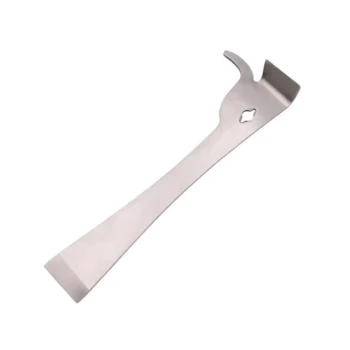
- Professional Multi-Function Stainless Steel Hive Tool
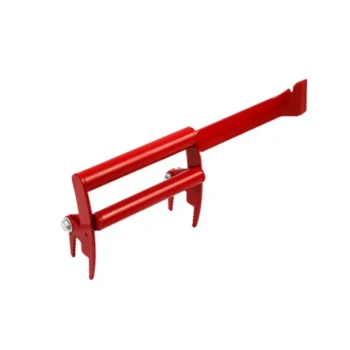
- Heavy-Duty Lever-Action Frame Grip with Hive Tool
- Wooden Bee Hive Frames for Beekeeping and Wholesale
- Plastic Bee Frame Beekeeping Hive Frames for Wholesale
People Also Ask
- How do bee hive handles facilitate the evaluation of food stores? Use the Lift Test for Winter Survival
- How do the geometry and dimensions of hive handles influence operational safety and control? Expert Design Insights
- What is a bee hive tool? Discover Why It’s the Most Essential Hand Tool for Every Beekeeper
- What are the common sizes and features of bee hive tools? Choose the Right Tools for Your Apiary
- What is the role of professional hive tools in routine apiary maintenance? Expert Tips for Hive Health and Longevity