Standardized modern frame hives utilize a modular, movable frame system that revolutionizes beekeeping by enabling non-destructive harvesting. This technical shift allows beekeepers to extract honey while preserving the internal architecture of the colony, drastically reducing the biological energy cost of production for the bees.
By permitting the reuse of intact honeycombs, modern hives shift bee energy from wax reconstruction to nectar foraging. This fundamental efficiency gain, combined with the ability to perform non-invasive inspections, drives the massive yield increases required for commercial viability.
The Mechanism of Energy Conservation and Yield
The primary technical advantage of the modern frame hive lies in its ability to decouple honey extraction from comb destruction.
The Physics of Comb Reuse
In traditional harvesting, the comb is destroyed to access the honey. Modern hives allow for the return of intact honeycombs to the colony after extraction.
Because bees consume significant amounts of energy and resources to secrete wax and build comb, eliminating the need for reconstruction allows the colony to redirect that energy. This conservation of biological resources is the direct driver of enhanced production efficiency.
Quantifiable Production Increases
The shift in energy allocation results in drastically higher yields. While traditional log hives typically produce between 5 kg and 8 kg per colony annually, modern frame hives can increase this output to approximately 20 kg to 80 kg.
Data suggests that under optimal management, these hives elevate the operation from subsistence levels to commercial viability, potentially increasing yield per unit by nearly tenfold in high-performance scenarios.
Technical Capabilities for Colony Management
Beyond raw yield, the standardized frame structure transforms beekeeping from a passive activity into a scientifically managed operation.
Non-Destructive Biological Monitoring
The movable frame design allows beekeepers to inspect individual combs without harming the bees or destroying the hive structure.
This accessibility enables the precise monitoring of critical biological markers, such as queen egg-laying patterns, larval development, and food storage levels. This level of insight is impossible in fixed-comb traditional hives.
Disease Control and Colony Manipulation
Standardized internals facilitate advanced management techniques like colony splitting and honeycomb exchange.
If a colony requires intervention for pests or disease, frames can be removed, treated, or swapped. This capability significantly lowers the risk of colony collapse and improves long-term sustainability compared to the "hands-off" nature of traditional bark or log hives.
Quality Control and Environmental Stability
Modern hives provide a controlled environment that directly impacts the commercial value of the final product.
Enhancing Honey Purity
The design of frame hives facilitates the efficient separation of honey from wax during the extraction process.
Unlike traditional methods that often result in mixed debris, modern extraction ensures higher purity and better hygiene standards. This results in a product with higher commercial value and better marketability.
Protection from External Stressors
Standardized hives offer stable physical protection against adverse weather, ants, and pests, reducing the likelihood of bee migration.
While traditional hives are vulnerable to environmental degradation and often contribute to forest damage (in the case of bark hives), modern units provide a secure, uniform environment that minimizes stress on the colony.
Understanding the Trade-offs
While the advantages are clear, adopting modern frame hives introduces specific operational requirements that differ from traditional methods.
The Shift to Active Management
The efficiency of a modern hive is not automatic; it relies on human intervention. The system is designed for regular inspection and active management, requiring a higher level of technical skill and labor compared to the passive placement of log hives.
Operational Complexity
To achieve yields of 60-80 kg, the beekeeper must actively manage the "internal space design." Neglecting the necessary inspections or failing to manage the frames correctly can negate the technical advantages, as the hive depends on the beekeeper to optimize space utilization and health.
Making the Right Choice for Your Goal
The transition to modern frame hives is a necessity for operations aiming for scale and consistency.
- If your primary focus is Commercial Scalability: Prioritize modern frames to leverage the 10x potential yield increase driven by energy conservation and comb reuse.
- If your primary focus is Product Quality: Adopt modern frames to ensure high hygiene standards and the clear separation of wax and honey for a premium market product.
- If your primary focus is Colony Longevity: Use modern equipment to enable scientific inspections that prevent disease and minimize colony stress or migration.
Standardized frame hives are not just storage containers; they are precision tools that convert biological energy into commercial output through engineered efficiency.
Summary Table:
| Feature | Traditional Hives (Log/Bark) | Modern Frame Hives |
|---|---|---|
| Harvest Method | Destructive (comb is lost) | Non-destructive (comb is reused) |
| Annual Yield | 5 kg - 8 kg | 20 kg - 80 kg |
| Colony Inspection | Impossible without damage | Easy, non-invasive frame removal |
| Disease Control | Passive/Minimal | Active treatment & frame swapping |
| Honey Purity | Low (mixed with wax/debris) | High (clean mechanical extraction) |
| Management Style | Passive placement | Professional/Scientific management |
Scale Your Commercial Apiary with HONESTBEE
Transitioning to standardized modern equipment is the only way to achieve commercial viability in today's market. At HONESTBEE, we specialize in empowering commercial apiaries and distributors with the precision tools needed for high-volume production.
Our comprehensive wholesale offering includes:
- Advanced Machinery: Hive-making and honey-filling machines to automate your workflow.
- Durable Hardware: Precision-engineered frames and hives designed for energy efficiency.
- Essential Consumables: A full spectrum of beekeeping tools and equipment to maintain colony health.
Whether you are expanding a professional apiary or stocking high-quality supplies for distribution, our team provides the technical expertise and robust inventory to support your growth.
Maximize your yield and product purity today. Contact us at HONESTBEE to discuss our wholesale solutions and customized equipment packages.
References
- Kalayu Aregawi, Tiruneh Woreknesh. Challenges and opportunities of honey production in north- east dry land areas of Amhara National Regional State, Ethiopia. DOI: 10.5897/jabsd2018.0308
This article is also based on technical information from HonestBee Knowledge Base .
Related Products
- Modern Flat-Mount Hive Number Set for Beekeeping
- Wooden Bee Hive Frames for Beekeeping and Wholesale
- Plastic Bee Frame Beekeeping Hive Frames for Wholesale
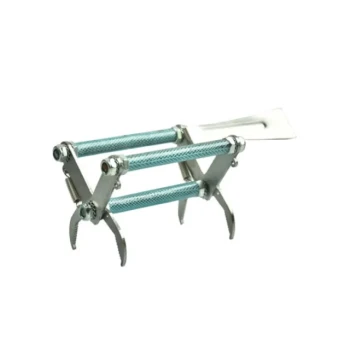
- Professional 3-Bar Frame Grip with Integrated Hive Tool
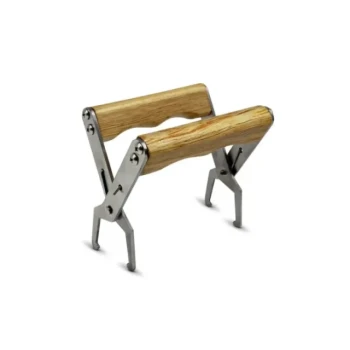
- Multi-Function Plier-Style Frame Grip Hive Tool
People Also Ask
- What are the primary advantages of modern beekeeping hives? Scale Your Apiary with Industrial Efficiency
- What is the impact of regular technical extension contact on the management of modern beekeeping hives? Enhance Hive Efficiency
- What are the structural and management advantages of modern beekeeping hives? Scale Your Honey Yields Today
- Why should the promotion of modern beekeeping hives be integrated with professional beekeeping tool kits and technical support?
- Why do forest beekeepers consider transitioning from traditional bark hives? Modernizing for Sustainable Yields