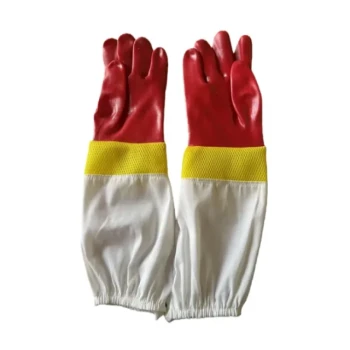
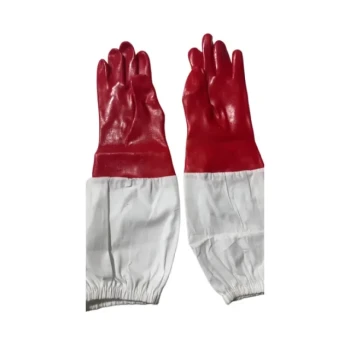
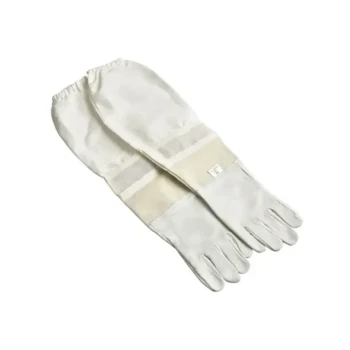
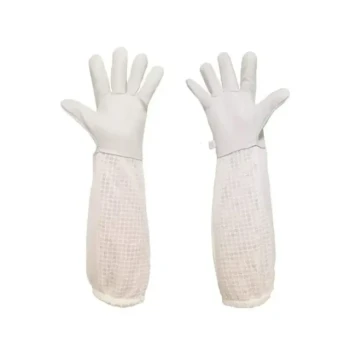
Beekeeping gloves are primarily manufactured from three distinct materials: cowhide leather, goatskin leather, and nitrile.
Your choice of material dictates a direct trade-off between physical protection from stings and the manual dexterity required to perform delicate hive manipulations. While heavy leather offers maximum security, it significantly reduces tactile feedback; conversely, nitrile offers superior sensitivity but reduced sting resistance.
Core Takeaway The "perfect" glove does not exist; every material sits on a sliding scale between safety and sensitivity. Beginners often favor the balance of goatskin, while experienced apiarists frequently migrate toward nitrile to minimize accidental harm to the bees.
Material Options and Performance Profiles
Heavy-Duty Leather (Cowhide)
High-quality leather serves as the industry standard for maximum barrier protection.
The Protection Advantage: This material offers the highest level of resistance against stings. It is thick, durable, and tough, making it nearly impossible for a stinger to penetrate.
The Dexterity Cost: The significant downside is bulk. Cowhide is stiff, making it difficult to feel what you are holding. This lack of tactile sensitivity can lead to clumsiness when handling frames or tools.
Goatskin Leather
Goatskin is widely regarded as the middle-ground option, balancing safety with usability.
Enhanced Flexibility: Goatskin is naturally softer and more pliable than cowhide. This allows for significantly greater flexibility and hand mobility, making it easier to grip hive tools and lift frames.
The Durability Trade-off: To achieve this flexibility, goatskin is thinner than cowhide. While it still offers robust protection, it is not as impenetrable as heavy leather.
Nitrile
Nitrile exam gloves represent the extreme end of the dexterity spectrum, favored by those prioritizing precision.
Superior Dexterity: Nitrile offers the best dexterity of all options. It provides excellent tactile feedback, allowing you to feel exactly what you are touching. This is critical for avoiding crushing bees during inspections.
Protection Limitations: These gloves provide "reasonable" protection, but they are not sting-proof. They rely on the smooth texture preventing the bee from gaining leverage to sting, rather than thickness.
Critical Design Features and Trade-offs
The Gauntlet Construction
Most beekeeping gloves are not just hand coverings; they feature a gauntlet base.
Sleeve Integration: This design extends the glove up to the elbow. It is typically secured by an elastic band to create a seal over the sleeves of your suit.
Material Combinations: It is common to see hybrid designs, such as goatskin hands attached to canvas sleeves. This combination aims to protect the hands while keeping the arms cooler and allowing for ventilation.
The Sensitivity Paradox
Choosing the thickest glove often feels like the safest choice, but it can be counterproductive.
Clumsiness leads to agitation: If you cannot feel the bees, you are more likely to crush them. Crushed bees release alarm pheromones, which can agitate the entire colony and increase the likelihood of defensive behavior.
The argument for thinness: Thinner gloves (like nitrile or goatskin) force you to move carefully and deliberately. This often results in a calmer hive, paradoxically reducing the number of bees trying to sting you.
Making the Right Choice for Your Goal
Select your gear based on your experience level and specific task requirements.
- If your primary focus is maximum protection: Choose heavy cowhide leather to ensure the highest resistance to stings, even if it sacrifices movement.
- If your primary focus is a balance for learning: Choose goatskin gloves, as they offer enough protection for confidence while remaining flexible enough to learn proper frame handling.
- If your primary focus is precision and hive health: Choose nitrile gloves for the best dexterity and tactile feedback, reducing the risk of accidentally harming bees.
The right glove is the one that allows you to work the hive calmly without fear of stinging.
Summary Table:
| Material | Protection Level | Dexterity | Best For |
|---|---|---|---|
| Cowhide Leather | Maximum (Thickest) | Low | Beginners seeking maximum security |
| Goatskin Leather | High (Flexible) | Medium | Most beekeepers; balancing safety and feel |
| Nitrile | Moderate | Superior | Commercial use; minimizing bee harm through precision |
Elevate Your Beekeeping Operation with HONESTBEE
At HONESTBEE, we specialize in empowering commercial apiaries and distributors with the high-performance tools required for modern beekeeping. Whether you need professional-grade leather gloves for maximum protection or advanced honey-filling machinery for your production line, our comprehensive wholesale portfolio has you covered.
Our Value to You:
- Comprehensive Supply: From specialized hive-making hardware to essential industry consumables.
- Quality Guaranteed: Durable equipment designed to withstand the rigors of commercial apiculture.
- Strategic Partnership: Tailored wholesale solutions to help your distribution business grow.
Ready to scale your apiary or restock your inventory? Contact us today to explore our full catalog and see how HONESTBEE can streamline your operations.
Related Products
- Beekeeping Gloves Goatskin Leather with Long Cotton Sleeve for Beekeepers
- Heavy Duty Red Rubber Beekeeping Gloves with Vented Mesh Cotton Sleeves
- Heavy Duty Red Rubber Beekeeping Gloves with Extended Pure Cotton Sleeves for Beekeepers
- Goatskin Leather Beekeeper Gloves with Vent Long Sleeve for Beekeeping Honey Bee Sting Proof Protection
- Premium Ventilated Goatskin Beekeeping Gloves with Full 3-Layer Mesh Sleeve
People Also Ask
- What are the characteristics of the best gloves for beekeeping? Choose Protection & Dexterity
- What are the primary purposes of using beekeeping gloves? Protect Your Hands and Ensure Apiary Hygiene
- What types of gloves are available for beekeeping? Choose the Right Protection for Your Hive
- Why is it important for beekeepers to wear gloves? Essential Safety and Confidence for Hive Management
- Why do some experienced beekeepers opt not to wear gloves? Discover the Benefits of Tactile Precision