A honey bee colony has three castes: one fertile queen, thousands of infertile female workers, and male drones. The queen lays eggs and maintains colony reproduction; worker bees care for brood, build comb, store honey, and maintain the hive; drones primarily mate with queens. For commercial apiaries, recognizing these different roles and physical characteristics is essential when selecting hive bodies, frames, queen excluders, queen-rearing equipment, and brood-monitoring tools.
Colony equipment should support caste-specific behavior rather than treat the colony as a uniform population. The right hardware preserves queen access to brood areas, gives workers efficient passage and comb-building space, and supports practical inspection, honey production, and scalable apiary management.
The Three Castes and Their Functions
The queen: reproduction and colony continuity
A normal honey bee colony generally has one fertile queen. Her primary function is to lay eggs, establishing the next generation of workers, drones, and potential replacement queens.
The queen is the largest adult bee and develops fastest, emerging after approximately 16 days. She is raised in a vertically oriented, acorn-shaped queen cell rather than the horizontal cells used for worker and drone brood.
Commercial colonies often replace queens on a planned schedule, commonly around every two years in intensive operations. This makes queen-rearing supplies, queen cages, introduction equipment, and inspection tools relevant parts of a commercial equipment portfolio.
Workers: the colony’s operating workforce
Worker bees are infertile females and make up the majority of the colony. They perform nearly every task required for colony survival and honey production.
Their responsibilities include:
- Feeding and caring for brood
- Building and repairing wax comb
- Cleaning cells
- Processing and storing honey
- Regulating hive conditions
- Guarding the entrance
- Foraging for nectar, pollen, water, and resin
Workers emerge after approximately 21 days. Their ability to pass between brood areas and honey supers is central to how commercial hive systems are configured.
Drones: mating and genetic contribution
Drones are male bees whose primary biological function is to mate with queens. They are larger and broader than workers and develop over approximately 24 days.
Because drones are larger, their presence matters when evaluating equipment openings, entrances, and excluder spacing. A component designed to restrict queen movement may also affect drones, so product selection should account for the intended colony-management system.
Why Colony Structure Determines Equipment Selection
Hive hardware must reflect movement patterns
The queen, workers, and drones do not use the hive in the same way. Workers need unrestricted access to brood, food stores, and the entrance, while the queen must be managed carefully to keep brood production in the intended area.
Hive bodies, frames, entrances, and supers should therefore be selected as a coordinated system. Compatibility is more important than evaluating each component in isolation.
Frame configurations support worker activity
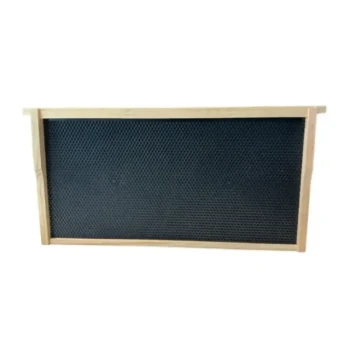
Workers build and occupy the comb used for brood rearing, pollen storage, and honey storage. Frame dimensions and spacing influence how efficiently they construct comb and how easily beekeepers can inspect or remove it.
For commercial operations, standardized frame configurations simplify:
- Routine inspections
- Brood assessment
- Honey harvesting
- Comb replacement
- Equipment interchangeability between colonies
A distributor or wholesaler should be able to provide compatible hive bodies, frames, foundations, and replacement parts rather than isolated products that create operational mismatches.
Queen excluders manage brood and honey areas
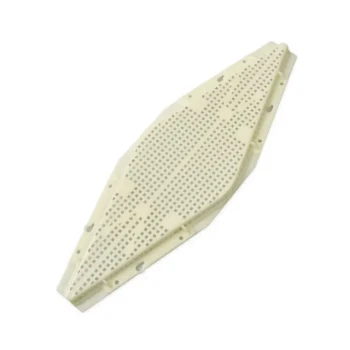
A queen excluder is designed to restrict the queen’s movement while allowing worker bees to pass between the brood chamber and honey supers. This can help keep harvested honey areas largely free of brood.
Excluder spacing must be precise. If openings are too narrow, workers may be restricted; if the product is poorly designed or incorrectly installed, the queen may pass through or the colony may be disrupted.
Because drones are also larger than workers, excluders can limit their movement as well. This is one reason commercial beekeepers should evaluate excluder use in relation to colony strength, season, ventilation, and management objectives rather than treating it as a universally risk-free component.
Development Timing Improves Apiary Planning
Brood stages occur inside the comb
All three castes pass through egg, larva, pupa, and adult stages. Eggs and feeding larvae occupy open cells, while pupae develop in sealed or capped wax cells.
The approximate emergence periods are:
- Queens: 16 days
- Workers: 21 days
- Drones: 24 days
These differences help apiary managers schedule brood inspections, queen-rearing activities, and targeted maintenance work.
Inspection tools should support stage-based decisions
Brood-monitoring equipment is most useful when it allows beekeepers to distinguish open brood, capped brood, queen cells, and emerging adults. Clear visibility helps managers identify queen performance, colony growth, brood irregularities, and potential pest or disease concerns.
Equipment suppliers serving commercial customers should consider inspection tools alongside hive hardware. A complete product offering reduces procurement complexity and helps beekeepers maintain consistent workflows across many colonies.
Queen-rearing equipment requires specialized geometry
Queen cells differ visibly from ordinary worker and drone cells. Queen-rearing systems therefore use cell cups and related components designed to support the queen’s vertical cell structure.
Commercial queen-rearing equipment should be selected for compatibility with grafting, cell handling, transport, and introduction procedures. Reliable availability is especially important because queen-rearing schedules depend on narrow biological time windows.
How Caste Knowledge Supports Commercial Productivity
It helps protect the brood-rearing zone
The brood chamber must provide the queen with suitable space for laying and workers with sufficient room to feed and care for developing bees. Equipment that unnecessarily obstructs queen movement or reduces worker access can interfere with colony development.
Correctly configured brood equipment supports stable population growth and helps colonies build the workforce required for nectar collection and honey storage.
It improves honey-super management
Honey supers are intended to provide storage capacity beyond the primary brood-rearing area. Queen excluders, compatible frames, and correctly sized hive components can help separate brood management from honey harvesting.
This separation improves inspection efficiency and can reduce the amount of brood that must be handled during harvest operations.
It supports scalable procurement
Commercial apiaries need repeatable equipment, not one-off solutions. Standardized hive components, replacement frames, excluders, queen-rearing supplies, and inspection tools make it easier to expand colonies and maintain uniform operating procedures.
For B2B buyers, a supplier’s value lies in more than product range. Fast response, dependable fulfillment, technical guidance, and compatibility across the portfolio directly affect seasonal readiness and apiary uptime.
Understanding the Trade-offs
Queen excluders can improve separation but restrict traffic
An excluder may help keep the queen out of honey supers, but it adds another barrier within the hive. If the colony is weak, the excluder is poorly fitted, or worker traffic is constrained, honey-super use may become less efficient.
The decision should be based on colony strength, local conditions, hive design, and the beekeeper’s harvesting objectives.
Standardization improves efficiency but reduces flexibility
Uniform frames and hive components simplify purchasing, training, maintenance, and equipment exchange. However, a single configuration may not suit every hive type, queen-rearing method, or regional management practice.
Before placing a large order, buyers should confirm dimensions, materials, frame compatibility, excluder spacing, and interchangeability across existing equipment.
Maximum product breadth does not replace technical matching
A broad catalog is valuable only when products work together. Supplying incompatible frames, supers, foundations, or accessories can create more operational cost than a smaller but properly matched selection.
Commercial buyers should prioritize suppliers that can verify specifications, respond quickly to technical questions, and fulfill coordinated orders reliably.
Making the Right Choice for Your Apiary
The best equipment decision begins by matching product design to caste behavior and the scale of the operation.
- If your primary focus is honey production: Choose compatible brood boxes, frames, supers, and queen excluders that preserve worker access while keeping queen movement in the intended area.
- If your primary focus is queen rearing: Prioritize queen cell cups, queen-rearing kits, cages, and inspection tools designed around the queen’s distinct development and cell structure.
- If your primary focus is apiary expansion: Standardize hive dimensions and source a full compatible equipment range from a supplier with dependable inventory and rapid fulfillment.
- If your primary focus is colony monitoring: Select brood-inspection and hive-maintenance equipment that supports identification of open brood, capped brood, queen cells, and colony-development changes.
- If your primary focus is procurement efficiency: Work with a one-stop technical supplier that can confirm compatibility, provide responsive service, and consolidate orders across the apiary’s equipment needs.
Understanding caste structure turns equipment selection from a general purchasing exercise into a practical system for protecting colony health, improving productivity, and scaling commercial operations with confidence.
Summary Table:
| Caste | Primary Role | Development Time | Equipment Considerations |
|---|---|---|---|
| Queen | Reproduction & colony continuity | 16 days | Queen excluders, queen-rearing kits, cages, and introduction tools |
| Worker | All colony maintenance, foraging, honey production | 21 days | Frames, foundations, supers, and inspection tools that allow efficient movement |
| Drone | Mating with queens | 24 days | Equipment openings and excluder spacing to accommodate their size |
Optimize Your Apiary with HONESTBEE
Understanding colony castes is key to choosing the right equipment. At HONESTBEE, we offer a one-stop wholesale supply for commercial apiaries and distributors, including specialized hardware like hive-making and honey-filling machines, along with a full range of beekeeping consumables and honey-themed merchandise. Our portfolio ensures seamless compatibility, while our rapid response and dedicated service keep your operations running smoothly. For distributors and wholesalers, we provide OEM/ODM support, certifications, and reliable supply to boost your margins. Ready to elevate your apiary? Contact us today for tailored solutions and fast delivery.
Related Products
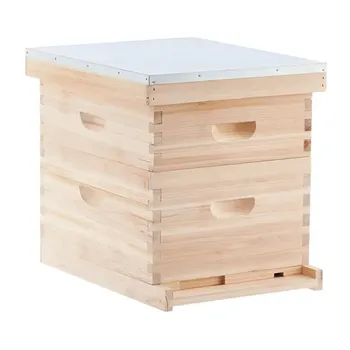
- High-Performance Langstroth Bee Hives for Global Professional Beekeeping
- Langstroth Honey Bee Box Hive Boxes for Different Depths
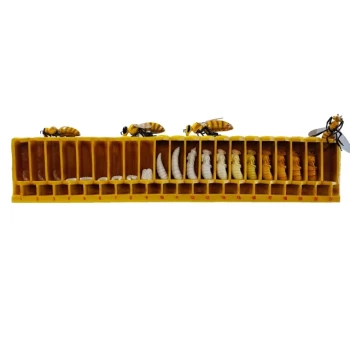
- Honey Bee Lifecycle Model: A Detailed Honeycomb Display of Bee Development
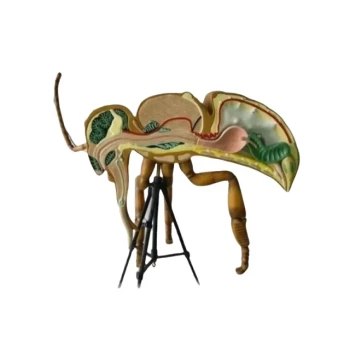
- HONESTBEE Anatomy Bee Model Detailed Anatomical Display for Education and Study
- HONESTBEE Entrance Bee Feeder Professional Hive Nutrition Solution for Beekeeping
People Also Ask
- What structural differences should commercial apiary operators consider when selecting between Langstroth hives and Top Bar hives for standardized honey production? Langstroth for standardized honey production
- What are the structural and yield differences between traditional primitive beehives and modern standard wooden hives (such as Langstroth hives) for commercial honey producers? Discover why modern hives boost yield and efficiency.
- Why is the adoption of modern movable-frame hives, such as Langstroth hives, advantageous over traditional hive equipment for commercial apiaries? Key Benefits for Scalable Beekeeping
- How does transitioning to modern hives boost honey yield? Increase production and product quality for your commercial apiary
- What are the key operational differences and structural trade-offs between Langstroth beehives and top-bar beehives for apiary management? Discover which hive system fits your operational needs.