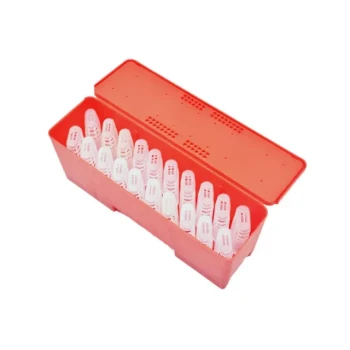
Specialized live bee mailing packages are engineered environments designed to sustain biological life during transit. Their essential functional requirements focus on providing robust mechanical protection against crushing, ensuring adequate ventilation to maintain air quality, and integrating internal food supplies like sugar candy. Ultimately, the design must securely contain the insects while minimizing transportation stress to ensure the colony or queen remains biologically active upon arrival.
The primary function of live bee packaging is not just containment, but life support. A successful design balances physical durability with biological needs—specifically airflow and nutrition—to ensure bees arrive not just alive, but in a healthy, biologically active state.
Physical Integrity and Containment
Robust Mechanical Protection
The physical environment of shipping is harsh and unpredictable. Packages must provide a rigid exterior capable of withstanding external pressure to prevent crushing. This mechanical barrier is the first line of defense in protecting the delicate anatomy of the bees inside.
Preventing Escape
Security is a non-negotiable requirement for both the safety of the bees and the handlers. The package design must include fail-safe mechanisms to prevent bee escape at any point during the journey.
Biological Life Support Systems
Essential Ventilation
Bees require a continuous exchange of air to survive in a confined space. The packaging must feature a design that allows for adequate ventilation, ensuring that air quality is maintained throughout the shipping duration.
Internal Food Provisions
To prevent starvation during transit, the package must function as a mobile feeder. It is standard requirement to equip these packages with internal food supplies, such as sugar candy, to sustain the energy levels of the bees.
Minimizing Physiological Stress
Reducing Transportation Stress
Transport is inherently stressful for insects. The specialized design of the package aims to stabilize the internal environment to minimize transportation stress.
Maintaining Biological Activity
Survival alone is not the standard for success; the health of the bees is paramount. The ultimate goal of the packaging requirements is to ensure that queens or colonies remain biologically active and viable when they reach their destination.
Common Design Trade-offs
Protection vs. Airflow
A completely solid container offers maximum crush protection but suffocates the bees. Designers must balance the need for robust mechanical protection with the critical need for ventilation, ensuring structural integrity does not compromise air quality.
Containment vs. Accessibility
While the package must strictly prevent escape, it must also accommodate the insertion of food supplies. Integrating sugar candy or other nutrients requires internal space and access points that must not become weak points for potential escape.
Making the Right Choice for Your Goal
Selecting the correct packaging is about prioritizing the specific risks associated with your shipping route and method.
- If your primary focus is colony viability: Prioritize designs that emphasize superior ventilation and accessible food supplies to keep the bees biologically active.
- If your primary focus is physical safety: Choose packaging with reinforced mechanical protection to mitigate the risks of crushing during rough handling.
Properly specialized packaging is the critical link that ensures a queen or colony transitions from the sender to the receiver without compromising its biological future.
Summary Table:
| Functional Requirement | Key Purpose | Implementation Feature |
|---|---|---|
| Mechanical Protection | Prevents crushing during transit | Rigid, pressure-resistant exterior shells |
| Containment Security | Prevents escape of bees | Fail-safe sealing mechanisms |
| Ventilation | Maintains air quality and cooling | Integrated airflow slots or mesh panels |
| Nutritional Support | Sustains energy levels | Built-in sugar candy or fondant reservoirs |
| Stress Mitigation | Ensures biological activity | Stabilized internal environmental design |
Elevate Your Beekeeping Logistics with HONESTBEE
Ensure your queens and colonies arrive in peak biological condition with professional-grade solutions from HONESTBEE. As a premier partner for commercial apiaries and distributors, we provide more than just equipment; we deliver the infrastructure for your success.
Our extensive wholesale portfolio includes everything from specialized live bee transport tools to high-efficiency honey-filling machines and hive-making hardware. Whether you are looking to source durable consumables or scale your operations with advanced machinery, HONESTBEE offers the expertise and inventory to support your growth.
Ready to optimize your apiary’s performance?
Contact us today to explore our comprehensive wholesale offerings!
References
- Stephen Palmer. Beekeeping in the Falkland Islands. DOI: 10.1080/00218839.2008.11101481
This article is also based on technical information from HonestBee Knowledge Base .
Related Products
- Plastic Transporting Bee Packages and Nuc Boxes for Beekeeping
- JZBZ Style Professional Battery Box with 20 Shipping Cages
- Modern Flat-Mount Hive Number Set for Beekeeping
- Professional Large-Format Hive Number Set for Beekeeping
- Professional 600D Oxford Cloth Beekeeping Tool Bag with 8 Pockets and Elastic Loops
People Also Ask
- What role do bee package boxes play in the commercial transport and expansion of honeybee colonies? - Logistic Essentials
- What are beekeeping boxes called? A Guide to Hive Bodies and Box Types
- How do standardized bee packages serve as a recovery mechanism for commercial beekeeping? Ensure Business Continuity
- What is the commercial value of using standardized bee packages? Drive Scalability in Large-Scale Apiaries
- Why is the timely introduction of high-quality bee packages critical? Save Your Apiary from Asian Hornet Invasions