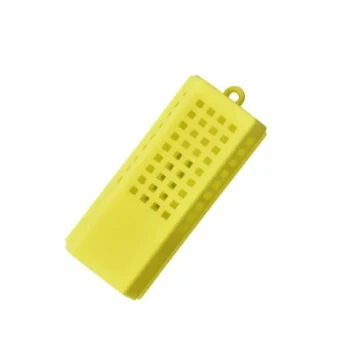
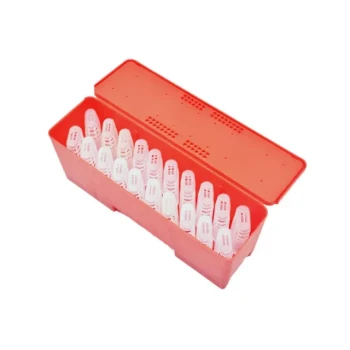
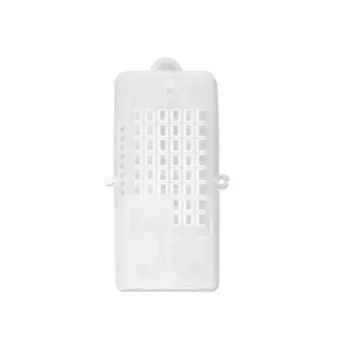
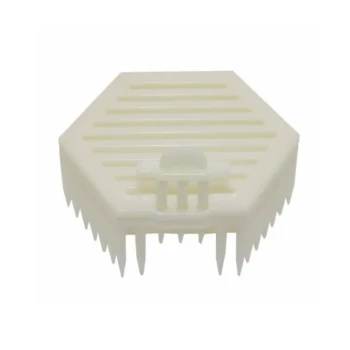
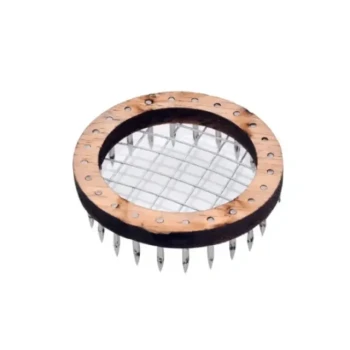
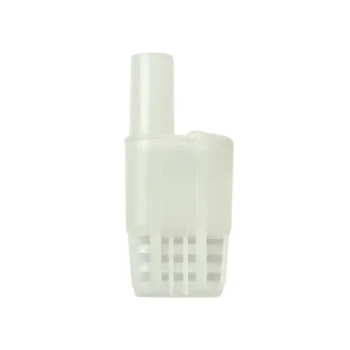
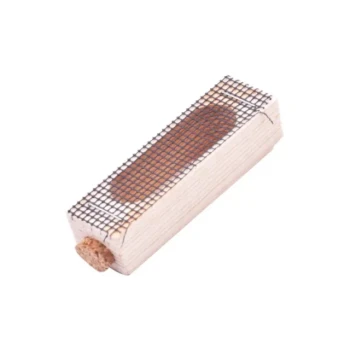
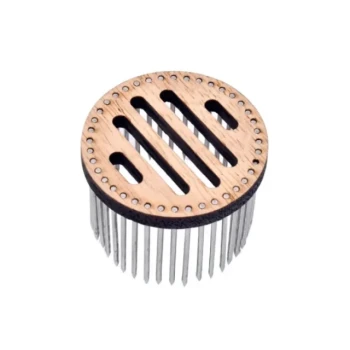
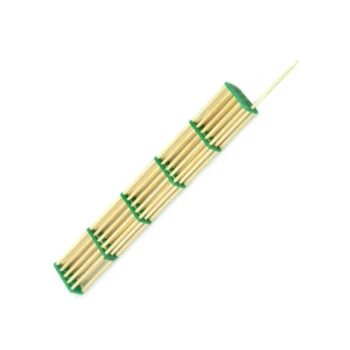
The survival of a queen bee during transit hinges on specific cage architecture designed to mitigate environmental stress. The essential design features are effective ventilation structures to ensure respiratory health and specialized feed troughs containing sugar candy, which provide consistent nutrition without endangering the insects.
Effective shipping cages utilize a dual-compartment system to separate the living space from the food source. This design prevents feed contamination and ensures the queen arrives at the apiary in optimal physiological condition.
The Anatomy of a Successful Shipping Cage
To ensure a queen's survival during long-distance logistics, the cage must replicate a stable micro-environment.
Effective Ventilation Structures
The primary reference highlights that cages must include effective ventilation structures.
Bees generate metabolic heat and carbon dioxide, especially when stressed by movement.
Without adequate airflow design, the internal temperature can rise rapidly, leading to suffocation or heat stress for the queen and her attendants.
Specialized Feed Troughs
Nutrition is critical for survival, but liquid food is dangerous in transit due to the risk of drowning.
Cages typically feature specialized troughs filled with sugar candy.
This solid food source provides necessary carbohydrates and hydration in a form that remains stable despite the vibrations of shipping.
Dual-Compartment Architecture
Advanced cages utilize a dual-compartment structure to organize the internal space.
The main chamber houses the queen and her attendant workers, giving them sufficient room to move and groom.
This separation prevents overcrowding and reduces the stress levels of the enclosed colony members.
Understanding Design Trade-offs and Risks
While modern cages are effective, they rely on precise physical separation to manage environmental risks.
The Risk of Feed Liquefaction
A major design challenge is preventing the feed from melting due to temperature fluctuations.
If the candy becomes too soft, it can flow into the main chamber and trap the bees.
The secondary chamber design specifically addresses this by physically isolating the bulk of the feed, ensuring it does not stick to the bees even if ambient temperatures rise.
Hygiene and Environmental Control
Confined spaces rapidly degrade in hygiene.
The physical separation between the living quarters and the food source helps maintain a cleaner environment.
This ensures the queen does not arrive coated in waste or sticky residue, which could affect her acceptance by the new colony.
Optimizing Logistics for Queen Survival
Whether you are a breeder shipping stock or an apiarist receiving a queen, understanding these features allows for better quality control.
- If your primary focus is breeding and shipping: Prioritize cages with distinct dual-compartments to prevent feed melting during unexpected heat spikes in transit.
- If your primary focus is receiving and introducing: Inspect the ventilation structures immediately upon arrival to confirm they remained unobstructed throughout the journey.
The right cage design transforms a high-risk journey into a controlled environment, preserving the queen's potential for her new colony.
Summary Table:
| Essential Feature | Primary Function | Impact on Survival |
|---|---|---|
| Effective Ventilation | Regulates airflow and heat dissipation | Prevents suffocation and metabolic heat stress. |
| Specialized Feed Troughs | Holds stable sugar candy | Provides consistent nutrition without risk of drowning. |
| Dual-Compartment Design | Separates living space from food | Minimizes contamination and prevents bees from sticking to feed. |
| Solid Candy Feed | Long-lasting carbohydrate source | Ensures stable hydration and energy through vibration and movement. |
Secure Your Queen's Journey with HONESTBEE
At HONESTBEE, we understand that the health of your queen is the foundation of a successful apiary. As a premier provider for commercial apiaries and distributors, we offer a comprehensive wholesale selection of high-performance beekeeping tools and logistics solutions.
From advanced shipping cages designed for maximum ventilation to industrial-grade hive-making and honey-filling machinery, our portfolio is built to scale your operations. We also supply a wide array of essential industry consumables and honey-themed cultural merchandise to enhance your brand's market presence.
Ready to elevate your beekeeping business? Contact our experts today to discuss our wholesale offerings and discover how HONESTBEE can streamline your supply chain and protect your valuable livestock.
References
- Małgorzata Bieńkowska, Paweł Węgrzynowicz. Honey Bee Queen Replacement: An Analysis of Changes in the Preferences of Polish Beekeepers through Decades. DOI: 10.3390/insects11080544
This article is also based on technical information from HonestBee Knowledge Base .
Related Products
- Professional Queen Bee Introduction and Transport Cage
- Professional Queen Cage with Sliding Gate and Feeder Plug
- Durable Galvanized Steel Spring Queen Bee Cage
- Professional Multi-Compartment Queen Cage with Sliding Lid
- JZBZ Style Professional Battery Box with 20 Shipping Cages
People Also Ask
- Why are specialized queen bee cages used for the banking of mated queen bees? Maximize Commercial Apiary Storage Efficiency
- What is the mechanism of action for using temporary queen bee cages? Master Successful Queen Introduction
- How is a queen bee released from a queen cage? Ensure Safe Colony Integration & Hive Success
- What materials are required to install a queen bee's cage into a hive? Essential Tools for Successful Queen Integration
- How long should a queen bee stay in the cage before being released? Ensure a Successful Introduction