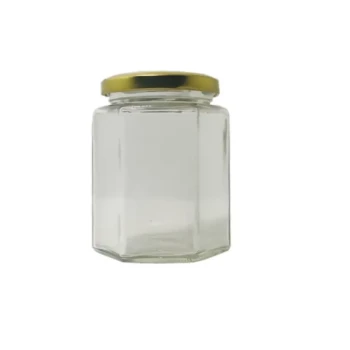
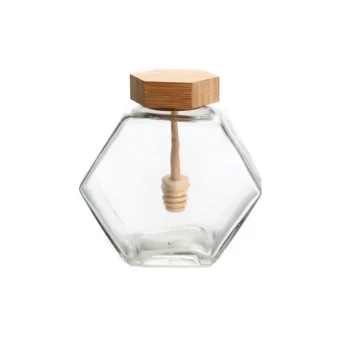
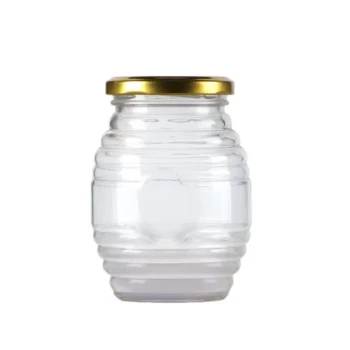
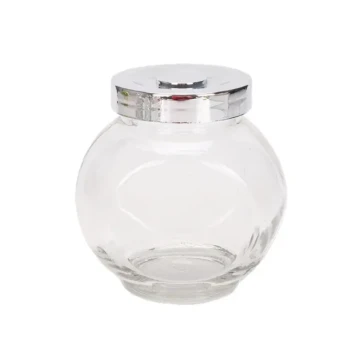
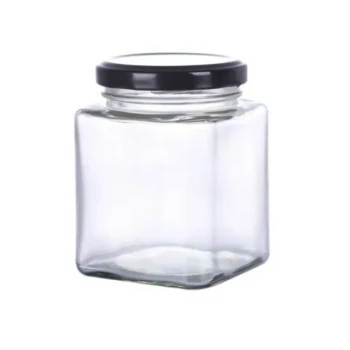
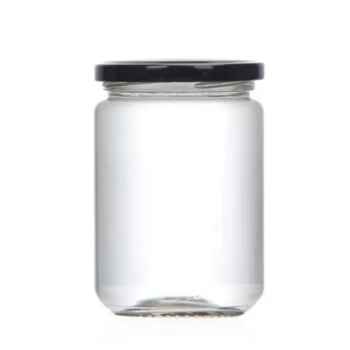
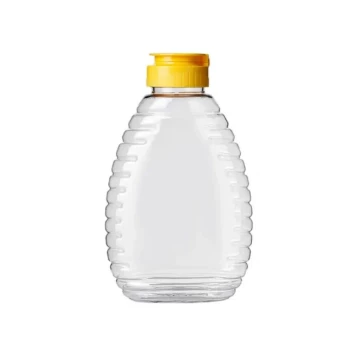
Standardized honey jars serve as the critical interface between the production line and the consumer. Their essential functions are twofold: ensuring food safety through hermetic sealing and acting as the primary vehicle for branding, consumer education, and commercial distribution.
Core Takeaway While often viewed merely as packaging, standardized honey jars are active preservation systems that isolate the product from environmental contaminants. Simultaneously, they function as the essential marketing hardware required to transform raw agricultural output into a traceable, retail-ready commodity.
Preservation and Product Integrity
Hermetic Sealing for Stability
The primary technical function of a standardized jar is to provide a hermetic seal. This airtight closure is critical for isolating the honey from external moisture and odors.
Preventing Fermentation
Honey is hygroscopic, meaning it naturally absorbs moisture from the air. High-quality sealing prevents this absorption, which is the leading cause of fermentation and spoilage.
Barrier Against Contamination
Standardized jars utilize food-grade materials to create a physical barrier. This prevents chemical migration from the packaging into the honey and protects the product from environmental dust or biological contaminants.
Terminal Consumable Protection
Unlike intermediate bulk containers (like 20-liter pails), jars act as "terminal consumables." They are designed to preserve the specific flavor profile and nutritional components of the honey until the exact moment of consumption.
Commercial and Market Facilitation
The Medium for Branding
The jar serves as the canvas for product identity. It is the primary medium used to convey branding messages and educate consumers about the honey's origin, floral source, and quality.
Enabling Diverse Distribution Channels
Standardized sizing allows honey to flow into various market sectors effortlessly. This includes high-end hospitality displays, retail shelves, and community-based economic initiatives such as fundraising drives.
Traceability and Compliance
Uniform packaging provides the necessary hardware for tracking systems. This traceability is often a strict prerequisite for meeting food safety regulations and gaining entry into regulated high-end markets.
Understanding the Trade-offs
Standardization vs. Differentiation
While standardized jars offer logistical efficiency and easier stacking, relying on off-the-shelf designs can make visual differentiation harder. You must rely heavily on labeling and secondary branding to stand out in a crowded market.
Material Rigidity and Breakage
High-grade glass offers superior chemical neutrality compared to plastics, ensuring no flavor transfer. However, this comes with increased weight and a higher risk of breakage during transport, requiring specialized logistical handling to minimize loss.
Making the Right Choice for Your Goal
Standardized jars are not one-size-fits-all; your choice should depend on your final distribution channel.
- If your primary focus is Premium Retail: Prioritize high-grade glass containers with superior hermetic seals to preserve flavor nuances and justify a higher price point.
- If your primary focus is Logistics and Scale: Select standardized shapes that optimize stacking efficiency to reduce breakage rates and transportation costs.
- If your primary focus is Community or Fundraising: Focus on jars that offer ample surface area for educational labeling and branding to tell your specific story effectively.
The right jar does not just hold your product; it protects your hard work and validates your brand's quality.
Summary Table:
| Function Category | Key Benefit | Technical Aspect |
|---|---|---|
| Preservation | Prevents Spoilage | Hermetic sealing blocks moisture to stop fermentation. |
| Integrity | Contamination Barrier | Food-grade materials prevent chemical migration and dust. |
| Commercial | Brand Identity | Standardized surface area provides a canvas for premium labeling. |
| Logistics | Market Access | Uniform sizing enables retail stacking and regulatory compliance. |
| Traceability | Consumer Safety | Facilitates tracking systems required for high-end market entry. |
Elevate Your Honey Brand with HONESTBEE Professional Packaging Solutions
At HONESTBEE, we understand that a jar is more than just a container—it's the guardian of your harvest and the face of your brand. As a dedicated partner to commercial apiaries and distributors, we provide a comprehensive wholesale range of high-performance honey jars and packaging machinery designed to minimize loss and maximize retail appeal.
How we add value to your business:
- Full Spectrum Supply: From premium glass jars to industrial honey-filling machines and specialized hive hardware.
- Quality Assurance: Our food-grade solutions ensure your honey remains untainted and market-compliant.
- Scalable Wholesale: We cater specifically to large-scale operations and distributors seeking reliable inventory and competitive pricing.
Protect your hard work and scale your distribution today. Contact HONESTBEE for a custom wholesale quote!
References
- Brian Peterson Roest. Bees in the D: A Message of Conservation from an Urban Environment. DOI: 10.3390/challe10010019
This article is also based on technical information from HonestBee Knowledge Base .
Related Products
- Hexagonal Glass Honey Jars with Metal Lug Caps Elegant Versatile Packaging
- Hexagonal Glass Honey Jar with Wooden Lid Integrated Dipper Elegant Functional Storage
- Classic Glass Honey Jar with Metal Lug Cap for Beehive Storage
- Classic Drum Shaped Glass Honey Jar with Airtight Lid
- Modern Square Glass Honey Jar with Twist Off Lid
People Also Ask
- What is the aesthetic appeal of using glass jars for honey? Elevate Your Brand with Premium Packaging
- What are the logistical challenges associated with using glass jars for honey packaging? Navigating Weight & Fragility
- What are the advantages of glass containers for honey? Elevate Quality and Market Value with Premium Packaging
- What are the technical advantages of using glass jars for honey? Master Commercial Packaging for Premium Purity
- What are the advantages of using glass jars for honey packaging? Preserve Purity & Elevate Your Brand