Establishing a commercial honey bee colony requires a precise integration of structural hardware, operational tools, and environmental safeguards. To successfully launch a hive, you must acquire a complete modular housing system, specific manipulation instruments like a smoker and hive tool, and necessary nutritional support mechanisms.
Success in commercial beekeeping relies on creating a controlled environment where the colony is protected, fed, and accessible for management. The equipment listed here functions as a cohesive system to support the biology of the bee while maximizing the efficiency of the beekeeper.
The Modular Hive Architecture
The modern commercial hive is a vertical, modular system. Each component plays a specific role in housing the bees and separating brood rearing from honey production.
The Foundation and Entry
The physical base of the colony begins with the hive stand. This elevates the colony off the ground, protecting it from dampness and bottom-dwelling pests.
Sitting directly on the stand is the bottom board. This serves as the floor of the hive and provides the primary entrance and exit for the foraging bees.
Living Quarters and Storage
The core population resides in the hive bodies. These large boxes contain frames where the queen lays eggs and the colony raises brood.
Above the brood chambers, you place honey supers. These are additional boxes specifically designated for surplus honey storage, which you will eventually harvest.
The Roof System
To seal the top of the hive, an inner cover is placed over the highest box. This provides insulation and prevents the bees from gluing the roof down permanently.
The assembly is capped by an outer cover. This creates a weather-tight roof to protect the colony from rain, snow, and wind.
Colony Management Hardware
A queen bee excluder is a critical grid placed between the hive bodies and honey supers.
It allows worker bees to pass through to store honey but prevents the larger queen from moving up and laying eggs in your harvestable frames.
Essential Operational Tools
You cannot effectively manage a commercial colony without tools to manipulate the hardware and manage bee behavior.
Hive Manipulation
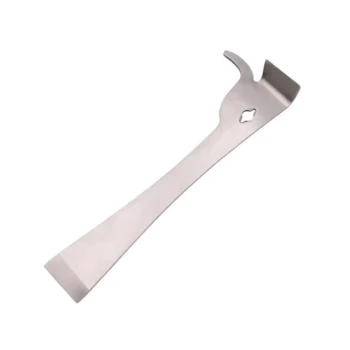
The hive tool is the most frequently used instrument in the bee yard. It is a flat metal bar used to pry apart frames and boxes that bees have sealed with propolis.
Calming the Colony
A smoker is required to safely inspect the hive. You will need appropriate fuel to keep it lit during inspections.
The cool smoke masks alarm pheromones and triggers a feeding response, keeping the bees calm and less aggressive.
Personal Safety
Protective clothing is non-negotiable for commercial operations. This ranges from a simple veil to a full-body suit and gloves, ensuring you can work confidently without fear of stings.
Nutrition and Environmental Defense
Hardware alone does not guarantee survival; you must also provide resources for health and security.
Supplemental Feeding
New colonies and those facing resource shortages require feeders. These hold liquid feed (sugar syrup) to simulate nectar flow.
Additionally, pollen substitutes should be available to ensure the colony has the protein required to rear brood when natural pollen is scarce.
Yard Security
The physical location of the hive, known as the bee yard, requires predator protection measures.
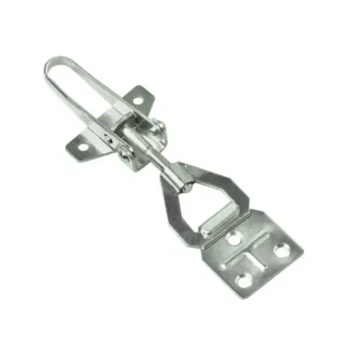
Depending on your region, this may involve electric fencing or strapping systems to prevent animals from tipping or destroying the hives.
Understanding the Trade-offs
While the list of "essential" equipment is standard, how you deploy it involves strategic trade-offs.
Management Complexity vs. Natural Behavior
Using a queen excluder guarantees clean honey supers without brood, simplifying the harvest. However, some beekeepers argue it can restrict the movement of worker bees, potentially slowing honey production.
Feeding vs. Self-Sufficiency
Providing liquid feed and pollen substitutes accelerates colony growth and ensures survival during dearths.
The downside is that over-reliance on artificial feeding can mask genetic weaknesses in the colony or lead to reliance on the beekeeper rather than natural foraging.
Making the Right Choice for Your Goal
The equipment you prioritize should align with your specific management objectives for the season.
- If your primary focus is Rapid Expansion: Prioritize high-capacity feeders and ample pollen substitutes to stimulate brood rearing regardless of natural flows.
- If your primary focus is Honey Production: Ensure you have multiple honey supers and a high-quality queen bee excluder to maximize harvest purity.
Equipping your operation with the correct components upfront transforms beekeeping from a struggle against nature into a managed, productive system.
Summary Table:
| Category | Key Components | Primary Function |
|---|---|---|
| Modular Architecture | Hive Stand, Bottom Board, Hive Bodies, Supers, Covers | Provides structural housing and separates honey from brood. |
| Colony Management | Queen Excluder | Prevents the queen from laying eggs in harvestable honey frames. |
| Operational Tools | Smoker, Hive Tool, Protective Clothing | Enables safe hive inspections and manipulation of hardware. |
| Nutrition & Security | Feeders, Pollen Subs, Predator Protection | Ensures colony health during dearths and protects from pests. |
Scale Your Commercial Beekeeping Operation with HONESTBEE
Transitioning from a hobbyist to a professional enterprise requires more than just tools—it requires a reliable partnership. HONESTBEE specializes in catering to commercial apiaries and distributors, providing the high-capacity machinery and durable hardware necessary for large-scale success.
How we add value to your business:
- Full-Spectrum Supply: From hive-making and honey-filling machines to essential industry consumables.
- Commercial Efficiency: Our specialized hardware is designed to maximize honey yield and minimize labor costs.
- Wholesale Excellence: We offer comprehensive wholesale solutions tailored to the needs of distributors and industrial beekeepers.
Ready to equip your apiary with professional-grade tools?
Contact HONESTBEE Today for a Wholesale Quote
Related Products
- Heavy Duty Adjustable Hive Connector
- Durable Plastic Interlocking Hive Connector for Beekeeping
- Heavy-Duty Nylon Beehive Hive Strap with Stainless Steel Cinch Buckle
- Stainless Steel Round Beehive Air Vents for Ventilation
- Professional Multi-Function Stainless Steel Hive Tool
People Also Ask
- Under what circumstance are beehive connectors particularly beneficial? Optimize Handling for Full Beehive Attachments
- What is the advantage of using the beehive connector when handling full attachments? Achieve Safe and Efficient Hive Transport
- What are the primary functions of a beehive connector? Ensure Hive Stability and Safe Colony Transport
- How can the connection length and strength of a beehive connector be adjusted? Master Tension with Threaded Mechanics
- What is the purpose of the beehive connector? Secure Your Hive for Safe Transport