Long-term maintenance of a honeybee colony requires a disciplined cycle of weekly inspections, rigorous pest management, and seasonal preparation. During the active season, you must monitor health and space, while the off-season demands specific adjustments like insulation and supplemental feeding to ensure winter survival.
Successful beekeeping is not passive; it requires proactive intervention against biological threats and environmental changes. The long-term viability of a colony depends on balancing regular health assessments with precise seasonal adjustments.
Routine Monitoring and Hive Health
The Necessity of Weekly Inspections
During the active season, you must inspect the hive on a weekly basis. This consistency is required to monitor the overall health of the colony and assess their spatial needs to prevent overcrowding.
Tracking the Queen
Identifying the queen is essential for verifying colony continuity and performance. Using a queen marking pen to apply specific colors to her thorax allows for rapid identification during these inspections.
Verifying Queen Age
Beyond simple identification, marking the queen helps verify her age. This prevents confusion caused by natural queen replacement (supersedure), ensuring you are evaluating the same individual over time rather than a new queen raised by the colony.
Managing Biological Threats
Controlling Varroa Mites and Hive Beetles
Pests represent the single greatest threat to colony longevity. You must implement specific management strategies to control Varroa mites and hive beetles, which are vectors for bacteria and viruses that increase mortality rates.
Precision in Treatment Application
Effective management often relies on professional consumables and specialized application tools. High-quality tools ensure that chemical or physical treatments are distributed evenly throughout the hive.
Minimizing Secondary Harm
The goal of intervention is to eliminate the pest without damaging the host. distinct application methods provide the precision needed to control biological threats while minimizing secondary harm to the bees themselves.
Environmental and Seasonal Management
Apiary Site Hygiene
Maintenance extends beyond the interior of the hive. You must regularly clear weeds and debris from the area surrounding the apiary.
Preventing Absconding
Cleaning the site eliminates physical pathways for ants and other crawling pests to enter the hive. Reducing this environmental harassment significantly lowers the risk of the colony abandoning the hive (absconding).
Winter Preparation
As the active season ends, you must shift focus to winter survival. This involves performing seasonal adjustments, such as adding insulation to the hive structure to regulate temperature.
Supplemental Feeding
Natural honey stores are not always sufficient for survival. You must be prepared to provide supplemental feeding to prevent starvation during months when foraging is impossible.
Understanding the Trade-offs
Inspection Frequency vs. Colony Stress
While weekly inspections are critical for data gathering, opening the hive disrupts the internal temperature and pheromone balance. You must perform inspections efficiently to minimize stress on the colony.
Intervention vs. Natural Resilience
Using tools to control mites is vital, but over-reliance on any single method can be problematic. You must balance the use of consumables with a broader strategy to avoid masking underlying genetic weaknesses in the colony.
Strategies for Sustainable Apiary Management
To ensure the longevity of your colony, tailor your maintenance tasks to your specific operational goals:
- If your primary focus is disease prevention: Prioritize the use of specialized application tools to ensure even distribution of mite treatments without overdosing the hive.
- If your primary focus is colony stability: Maintain strict external apiary hygiene to remove pest pathways, reducing the likelihood of absconding due to harassment.
- If your primary focus is genetic tracking: Utilize a color-coded queen marking system to distinguish between the original queen and natural supersedures.
Diligent, data-driven maintenance transforms beekeeping from a game of chance into a sustainable, long-term practice.
Summary Table:
| Maintenance Task | Frequency | Key Objective | Tools Required |
|---|---|---|---|
| Hive Inspections | Weekly (Active Season) | Monitor queen health & space | Queen marking pen, smoker |
| Pest Management | Seasonal/As needed | Control Varroa mites & beetles | Mite treatments, application tools |
| Site Hygiene | Ongoing | Prevent ants & absconding | Weed clearers, hive stands |
| Winter Prep | Late Autumn | Insulation & temperature control | Hive insulation, entrance reducers |
| Supplemental Feeding | Winter/Early Spring | Prevent starvation | Feeders, sugar syrup/fondant |
Scale Your Apiary Success with HONESTBEE
Maintaining long-term colony health requires professional-grade precision. HONESTBEE supports commercial apiaries and distributors with a comprehensive wholesale range of beekeeping tools, specialized hive-making machinery, and essential industry consumables.
Whether you need precision queen marking systems, durable insulation, or advanced honey-filling equipment, our portfolio is designed to enhance your operational efficiency and colony survival rates. Partner with us to provide your customers or your own apiary with the highest quality hardware and honey-themed cultural merchandise.
Ready to elevate your beekeeping operations? Contact us today to explore our wholesale catalog and expert solutions!
Related Products
- HONESTBEE Entrance Bee Feeder Professional Hive Nutrition Solution for Beekeeping
- Langstroth Honey Bee Box Hive Boxes for Different Depths
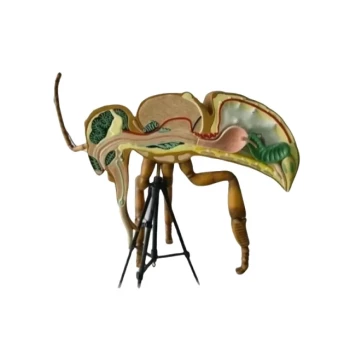
- HONESTBEE Anatomy Bee Model Detailed Anatomical Display for Education and Study
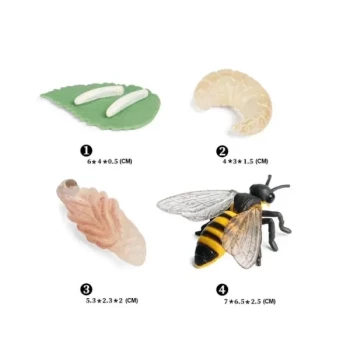
- Honey Bee Lifecycle Model: A Detailed Honeycomb Display of Bee Development
- HONESTBEE Professional Hive Top Bee Feeder Feeding Solution
People Also Ask
- What types of bee feeders are available for beginners? Start with the Simple Entrance Feeder
- What are the advantages and disadvantages of using an entrance feeder for bees? Balance Convenience and Hive Security.
- What is a bee entrance feeder and what are its drawbacks? Essential Guide to Hive Security and Feeding Efficiency
- How does a bee entrance feeder work? A Simple Guide to Convenient Hive Feeding
- How to make an entrance feeder for bees? A DIY Guide for Safe & Effective Feeding