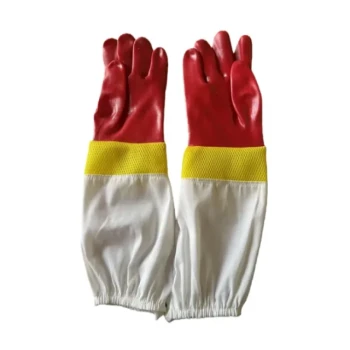
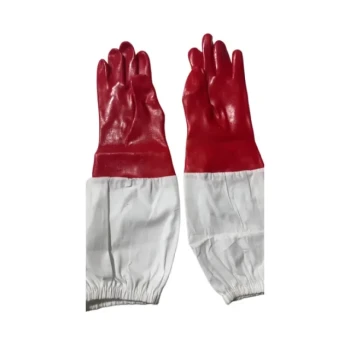
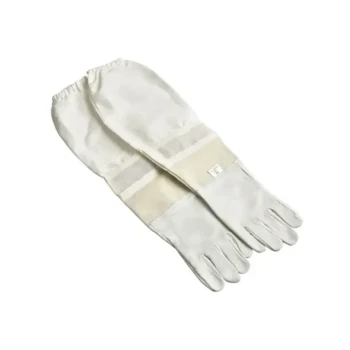
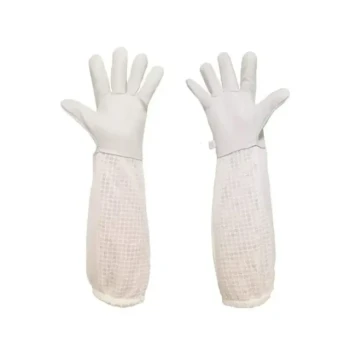
Beekeeping gloves are specialized personal protective equipment designed to shield the hands and forearms from stings and physical injury. Typically constructed from durable materials like leather and heavy cloth, they feature extended gauntlets that reach up the forearm or elbow to securely cover sleeve cuffs and prevent bees from crawling inside clothing.
Core Takeaway While the fundamental purpose of beekeeping gloves is to prevent stings, the ideal choice involves a trade-off: you must balance heavy-duty protection against the tactile sensitivity required to handle bees and equipment gently.
The Anatomy of Protection
Extended Gauntlets
The defining feature of a beekeeping glove is the long cuff, often referred to as a gauntlet. This section extends past the wrist and up the forearm, typically reaching the elbow.
The Security Seal
To ensure a bee-proof barrier, the top of the gauntlet is usually equipped with an elastic band. This secures the glove against the arm or suit, ensuring that bees cannot navigate under the fabric and become trapped against the skin.
Material Construction
Traditional gloves utilize a hybrid design: the hand portion is made of leather (such as cowhide or goatskin) for sting resistance, while the sleeve portion is made of heavy cloth or canvas. Modern alternatives may use nitrile or latex, and some variations include mesh panels for ventilation.
Functionality and Purpose
Defense Against Stings
The primary purpose is to create a physical barrier between the beekeeper's skin and the hive's defensive colony. Thick leather acts as armor, making it difficult for stingers to penetrate through to the skin.
Prevention of Entry
Beyond immediate sting protection, these gloves serve a mechanical function by sealing the gap between the hand and the sleeve of a bee suit. Without this seal, bees—which naturally crawl upwards—can easily enter regular clothing, causing panic and stings.
Protection from Hazard and Debris
Hive management involves handling rough wooden frames, sticky propolis, and heavy boxes. Gloves protect the hands from wood splinters, cuts, and abrasions, allowing the beekeeper to work with confidence and a secure grip.
Understanding the Trade-offs
Protection vs. Dexterity
There is an inverse relationship between safety and sensitivity. Thick leather gloves offer maximum protection but significantly reduce tactile sensation, making it harder to feel if you are accidentally crushing a bee—which can release alarm pheromones and incite the hive.
Durability vs. Comfort
Leather gloves are highly durable and long-lasting, but they can be stiff until broken in and retain heat. Ventilated gloves with mesh panels offer superior airflow for hot climates, but the mesh creates a potential weak point for stings and reduces the glove's overall longevity.
Traditional vs. Modern Materials
While leather is the standard for durability, some beekeepers opt for nitrile or latex gloves. These offer superior dexterity and hygiene but provide significantly less protection against stings compared to cowhide or goatskin.
Making the Right Choice for Your Goal
Selecting the right gloves depends on your experience level and the specific demands of your apiary environment.
- If your primary focus is maximum protection: Choose thick cowhide leather gloves with long canvas gauntlets to minimize the risk of stings and injury.
- If your primary focus is precision and sensitivity: Opt for goatskin or nitrile gloves, which offer a tighter fit and better dexterity for delicate frame manipulation.
- If your primary focus is comfort in hot climates: Select ventilated gloves with mesh panels to increase airflow and reduce moisture buildup.
Ultimately, the best glove is one that provides enough confidence to work calmly while retaining enough feel to handle the bees with care.
Summary Table:
| Feature | Description | Key Benefit |
|---|---|---|
| Material | Leather (Cowhide/Goatskin) or Nitrile | Provides a sting-resistant barrier and durability |
| Gauntlet Cuff | Extended sleeve reaching the elbow | Prevents bees from crawling up sleeves |
| Elastic Seal | Snug band at the top of the sleeve | Ensures a bee-proof closure against the suit |
| Mesh Panels | Integrated ventilation sections | Improves airflow and comfort in hot climates |
| Tactile Sensitivity | Varied thickness levels | Balances protection with the ability to handle bees gently |
Elevate Your Apiary with HONESTBEE Premium Protective Gear
At HONESTBEE, we understand that the right tools are the foundation of a successful commercial apiary. Whether you are a large-scale honey producer or a global distributor, our comprehensive wholesale offering provides everything from specialized leather and ventilated beekeeping gloves to advanced honey-filling machines and hive-making equipment.
Why partner with HONESTBEE?
- Total Solutions: We supply the full spectrum of beekeeping tools, machinery, and essential industry consumables.
- Commercial Expertise: Tailored for distributors and commercial apiaries looking for durability and precision.
- Diverse Portfolio: From heavy-duty hardware to unique honey-themed cultural merchandise.
Ready to scale your beekeeping operations with high-quality equipment? Contact us today to discuss your wholesale needs!
Related Products
- Beekeeping Gloves Goatskin Leather with Long Cotton Sleeve for Beekeepers
- Heavy Duty Red Rubber Beekeeping Gloves with Vented Mesh Cotton Sleeves
- Heavy Duty Red Rubber Beekeeping Gloves with Extended Pure Cotton Sleeves for Beekeepers
- Goatskin Leather Beekeeper Gloves with Vent Long Sleeve for Beekeeping Honey Bee Sting Proof Protection
- Premium Ventilated Goatskin Beekeeping Gloves with Full 3-Layer Mesh Sleeve
People Also Ask
- What are the characteristics of the best gloves for beekeeping? Choose Protection & Dexterity
- What are the primary purposes of using beekeeping gloves? Protect Your Hands and Ensure Apiary Hygiene
- What types of gloves are available for beekeeping? Choose the Right Protection for Your Hive
- Why is it important for beekeepers to wear gloves? Essential Safety and Confidence for Hive Management
- Why do some experienced beekeepers opt not to wear gloves? Discover the Benefits of Tactile Precision