Latex gloves primarily prioritize tactile sensitivity and dexterity, offering a distinct alternative to traditional heavy-duty beekeeping gear. Their thin, elastic construction fits tightly against the skin, allowing for high-precision movement and the ability to feel environmental cues like texture and temperature within the hive. However, this heightened sensitivity comes at the cost of reduced puncture resistance compared to nitrile or leather alternatives.
The primary value of latex gloves lies in the trade-off between bulk and feeling: they sacrifice the impenetrable armor of cowhide to provide the delicate touch required for gentle hive inspections.
The Mechanics of Tactile Feedback
Unmatched Dexterity and Flexibility
The most significant feature of latex is its elasticity. Unlike stiff leather or thick cotton, latex conforms perfectly to the hand, minimizing the gap between your fingers and the frame.
This allows for seamless tool manipulation and fine motor control. You can grasp the wings of a queen or separate frames with a precision that thick gloves often prohibit.
Critical Sensory Input
Beekeeping is diagnostic, and latex gloves enable you to feel the hive. The thin material transfers thermal and textural information directly to your fingertips.
This feedback loop allows you to detect the warmth of the brood nest or the stickiness of propolis instantly. This sensory data helps you gauge the colony's condition without relying solely on sight.
Protection Through Precision
Reducing Clumsy Interactions
While latex is thin, it offers a secondary form of safety: clumsiness reduction. Thick leather gloves often cause beekeepers to accidentally crush bees or drop frames due to a lack of sensation.
By improving your grip and sensitivity, you disturb the colony less. Fewer crushed bees result in fewer alarm pheromones being released, potentially leading to a calmer hive during inspections.
Coverage Limitations
It is important to note the structural design difference. Traditional beekeeping gloves often feature long gauntlets extending to the elbow.
Latex gloves are typically wrist-length. To ensure full protection, they must be paired with a suit that has secure wrist closures to prevent bees from crawling up the sleeves.
Understanding the Trade-offs
Limited Puncture Resistance
The most critical drawback is that latex provides minimal barrier protection. The primary reference notes that they do not offer the same puncture resistance as nitrile or leather.
A determined bee can sting through latex. These gloves are generally not recommended for working with highly aggressive hives or for beekeepers who cannot tolerate a single sting.
The Allergy Factor
Allergic reactions are a documented risk with natural rubber latex. This affects not only the wearer but potentially others who may handle the equipment later.
If you or anyone inspecting the hive has a latex sensitivity, this material must be avoided entirely in favor of synthetic options like nitrile.
Making the Right Choice for Your Apiary
Choosing the right glove depends on balancing your need for feedback against your tolerance for stings.
- If your primary focus is maximum dexterity: Latex gloves are the superior choice for feeling frame vibrations and handling queens with precision.
- If your primary focus is sting prevention: You should opt for thick cowhide or goatskin gloves, which offer a dense barrier at the expense of touch.
- If your primary focus is avoiding allergies: Nitrile gloves provide a similar thin profile to latex but eliminate the risk of allergic reactions.
Select the tool that matches your confidence level and the temperament of your bees to ensure a safe, productive inspection.
Summary Table:
| Feature | Description | Benefit for Beekeeping |
|---|---|---|
| Material | Natural Rubber Latex | High elasticity and a snug, second-skin fit |
| Sensitivity | Thin construction | Enhances tactile feedback to detect hive temperature and texture |
| Dexterity | High flexibility | Allows for fine motor control during queen handling and frame manipulation |
| Safety Type | Precision-based | Reduces bee crushing and alarm pheromone release by avoiding clumsiness |
| Protection | Low puncture resistance | Lightweight barrier best suited for calm colonies and experienced handlers |
Elevate Your Apiary Operations with HONESTBEE
At HONESTBEE, we understand that commercial success in beekeeping requires the right balance of protection and precision. As a premier partner for commercial apiaries and distributors, we provide a comprehensive wholesale catalog including professional-grade gloves, specialized hive-making machinery, and honey-themed cultural merchandise.
Whether you need to stock essential consumables or upgrade your honey-filling efficiency, our experts are ready to support your business growth. Contact us today to explore our full spectrum of beekeeping solutions and see how our global supply chain can add value to your distribution network.
Related Products
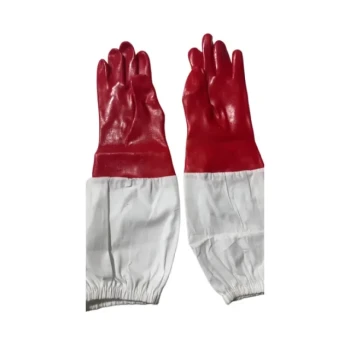
- Heavy Duty Red Rubber Beekeeping Gloves with Extended Pure Cotton Sleeves for Beekeepers
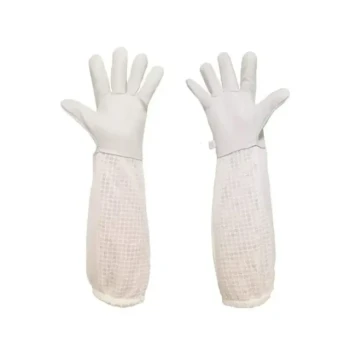
- Goatskin Leather Beekeeper Gloves with Vent Long Sleeve for Beekeeping Honey Bee Sting Proof Protection
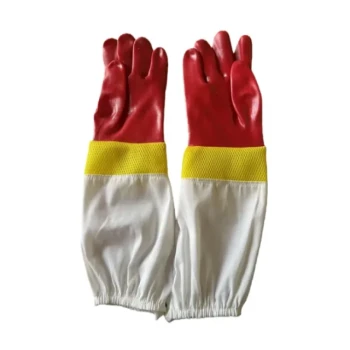
- Heavy Duty Red Rubber Beekeeping Gloves with Vented Mesh Cotton Sleeves
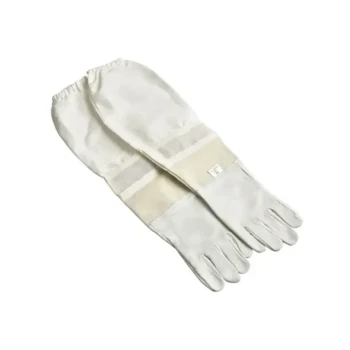
- Beekeeping Gloves Goatskin Leather with Long Cotton Sleeve for Beekeepers
- Goat Skin Leather Bee Sting Proof Beekeeping Gloves with Canvas Sleeve
People Also Ask
- When might a beekeeper decide to work without gloves? Master Hive Finesse and Dexterity
- Why is cleaning beekeeping gloves necessary? Vital Steps for Apiary Biosecurity and Hive Management
- What factors should be considered when selecting beekeeping gloves? Balance Protection and Dexterity
- What are the benefits of properly cleaning and storing beekeeping gloves? Protect Your Bees, Safety & Investment
- Why is personal preference important when choosing beekeeping gloves? Find Your Perfect Fit for Protection & Dexterity