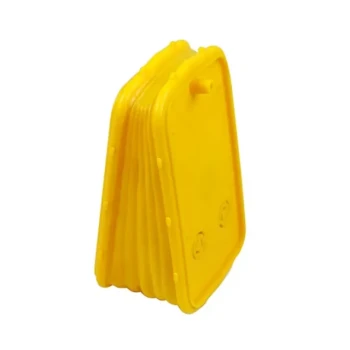
Polyethylene liner films act as critical protective barriers in outdoor bee feeding setups, specifically designed to safeguard feed quality and streamline operations. Their primary function is to serve as an impermeable moisture shield that prevents ground dampness from spoiling honey-mixed powder feed. Simultaneously, they function as a disposable hygiene layer, ensuring sanitary conditions and significantly reducing the labor required for equipment cleanup.
The core value of polyethylene liners lies in their ability to simultaneously isolate feed from moisture to prevent mold and caking, while acting as a disposable barrier that maintains high biosecurity standards.
Preserving Feed Quality
Blocking Moisture Infiltration
Polyethylene is inherently water-resistant, making it an ideal material for outdoor environments. When placed inside feeding trays, the film creates a seal against moisture rising from the ground or seeping through the bottom of the tray.
Preventing Spoilage and Caking
Bee feed, particularly honey-mixed powder, is highly sensitive to humidity and contact with damp surfaces. Without a liner, this feed can quickly absorb water, causing it to harden into unusable cakes.
Inhibiting Mold Growth
Moisture is the primary catalyst for mold development in feed supplies. By effectively blocking moisture penetration, the liner film ensures the feed remains dry and safe for consumption by the colony.
Enhancing Apiary Hygiene
Streamlining Post-Feed Cleanup
Feeding trays can accumulate sticky residues and debris that are difficult to remove. Because polyethylene liners are designed as disposable consumables, they eliminate the need for laborious scrubbing.
Maintaining Biosecurity
A clean feeding environment is essential to prevent the spread of disease between hives. Using a fresh liner for each feeding cycle helps maintain a sterile barrier, reducing the risk of cross-contamination within the apiary environment.
Operational Considerations and Trade-offs
Managing Consumable Waste
While these films offer significant hygiene benefits, their disposable nature generates plastic waste. Operators must plan for the proper collection and disposal of used liners to prevent environmental littering around the apiary.
Balancing Cost against Labor
Incorporating liners introduces a recurring consumable cost to the feeding process. However, this expense is generally offset by the preservation of expensive feed and the reduction in man-hours required for cleaning trays.
Making the Right Choice for Your Apiary
To maximize the benefits of polyethylene liners, consider your specific management goals:
- If your primary focus is feed preservation: Ensure the liner is properly seated to provide a complete seal against ground moisture, preventing expensive powder feed from caking.
- If your primary focus is disease prevention: Treat the liners as strictly single-use items to ensure that no biological contaminants carry over between feeding cycles.
By utilizing these liners effectively, you protect the nutritional integrity of your feed while ensuring a cleaner, more efficient operation.
Summary Table:
| Key Function | Primary Benefit | Operational Impact |
|---|---|---|
| Moisture Shield | Prevents feed caking and spoilage | Reduces feed waste and cost |
| Hygiene Barrier | Inhibits mold growth and contamination | Improves colony health and biosecurity |
| Disposable Layer | Eliminates manual tray scrubbing | Saves significant labor hours |
| Protective Seal | Blocks ground dampness | Maintains nutritional integrity |
Maximize Your Apiary’s Efficiency with HONESTBEE
Are you a commercial apiary or distributor looking to optimize your feeding processes? HONESTBEE provides high-quality polyethylene liners and a full spectrum of professional beekeeping tools designed for large-scale success.
From industrial-grade machinery like hive-making and honey-filling machines to essential consumables that safeguard your colony's health, we deliver the hardware and expertise you need to scale your operations.
Ready to upgrade your equipment and reduce labor costs?
Contact HONESTBEE Today to explore our wholesale offerings and discover how our comprehensive beekeeping solutions can benefit your business.
References
- Usha Usha, M. S. Khan. Exploration of various flours as pollen substitutes for Apis mellifera L. during Dearth period at Tarai region of Uttarakhand, India. DOI: 10.31018/jans.v6i2.541
This article is also based on technical information from HonestBee Knowledge Base .
Related Products
- White Plastic 0.5L Beekeeping Entrance Feeder for Bees
- Yellow Plastic Bucket Pail Perch for Beekeeping
- Rapid Bee Feeder White Plastic 2L Round Top Feeder for 8 or 10-Frame Bee Hives
- Food Grade Plastic bee Foundation for Bee Frames
- 3.5L Plastic Beehive Frame Feeder Deep Frame Water Feeder for In Hive Use
People Also Ask
- How do you make an entrance feeder for bees? A Guide to Safe & Effective Hive Feeding
- How to make an entrance feeder for bees? A DIY Guide for Safe & Effective Feeding
- How does a bee entrance feeder work? A Simple Guide to Convenient Hive Feeding
- What is a bee entrance feeder and what are its drawbacks? Essential Guide to Hive Security and Feeding Efficiency
- What are the advantages and disadvantages of using an entrance feeder for bees? Balance Convenience and Hive Security.