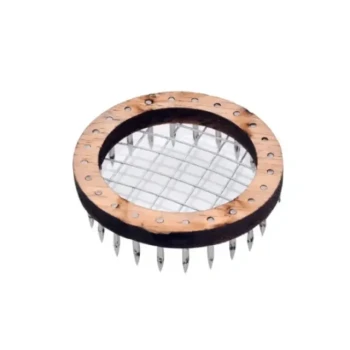
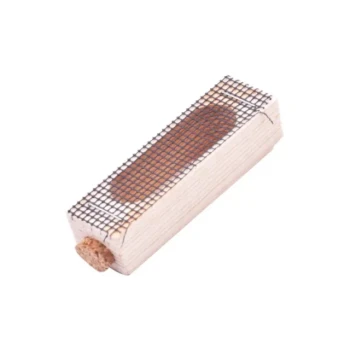
Precise environmental control and stress reduction are critical for valid physiological data. Specialized experimental bee cages serve to standardize external conditions like temperature and humidity, while internal hive foundations simulate a natural physical habitat. Together, these tools ensure that any observed changes in bee lifespan are the result of specific experimental variables—typically dietary protein—rather than environmental inconsistencies or stress.
Experimental validity in honeybee lifespan studies relies on eliminating confounding variables. By combining standardized cages with naturalistic foundations, researchers can isolate the effects of nutrition from the noise of environmental stress.
The Role of Specialized Bee Cages
Achieving Environmental Standardization
The primary function of specialized experimental cages is to create a standardized, enclosed environment.
This isolation allows researchers to maintain precise control over critical physical parameters, specifically temperature, humidity, and light exposure. By fixing these variables, the experiment prevents external weather fluctuations from skewing the physiological data.
Isolating Newly Emerged Workers
These cages are designed to house newly emerged worker bees.
Segregating these bees immediately after emergence ensures that the study subjects have a known age and history. This control is essential for establishing a reliable baseline when measuring lifespan against dietary variables.
The Function of Internal Hive Foundations
Simulating Natural Habitats
Internal hive foundations, such as wax-based cell structures, are introduced into the cage to mimic the physical architecture of a real colony.
This provides the bees with a familiar, naturalistic surface structure, rather than a sterile or artificial laboratory surface.
Minimizing Physiological Stress
The presence of these foundations significantly reduces the stress experienced by worker bees in a confined setting.
Without this simulation of their natural environment, the stress of confinement could artificially shorten lifespans. By mitigating this factor, researchers ensure that mortality rates reflect the protein content of experimental pollen diets, not the psychological or physical strain of the cage itself.
Understanding the Trade-offs
The Limits of Simulation
While foundations reduce stress, they do not perfectly replicate a full colony environment.
The setting remains a confined space, which differs inherently from a free-foraging environment. Researchers must acknowledge that while stress is minimized, it is not eliminated entirely compared to open-field conditions.
Specificity vs. Generalization
The high degree of control provided by these cages makes them excellent for isolating specific variables like dietary protein.
However, this specificity means the results are strictly physiological. They may not fully account for social or environmental complexities found in a dynamic, full-scale apiary.
Optimizing Experimental Design
To ensure your study produces reliable lifespan data, select your equipment based on your specific research variables.
- If your primary focus is nutritional impact: Utilize both standardized cages and wax foundations to ensure mortality is driven by diet, not environmental stress.
- If your primary focus is environmental modeling: Prioritize the precise regulation of temperature and humidity controls within the cage system to replicate specific climate conditions.
By rigorously controlling the environment and simulating natural structures, you transform variable, noisy data into clear, actionable physiological insights.
Summary Table:
| Component | Primary Function | Research Benefit |
|---|---|---|
| Experimental Bee Cage | Environmental Standardization | Eliminates external noise (temp/humidity) |
| Internal Hive Foundation | Simulates Natural Habitat | Minimizes stress and confinement mortality |
| Age-Specific Segregation | Isolates Newly Emerged Workers | Establishes a known baseline for lifespan data |
| Controlled Diet Access | Variable Isolation | Directly links nutrition to physiological changes |
Elevate Your Research with HONESTBEE Precision Equipment
At HONESTBEE, we specialize in supporting commercial apiaries, distributors, and research institutions with the highest quality beekeeping tools and machinery. Whether you are conducting physiological studies or scaling honey production, our portfolio—from hive-making and honey-filling machines to specialized wholesale consumables—is designed to deliver results.
Ready to optimize your apiary or research facility? Contact us today to explore our comprehensive wholesale offerings
References
- Zheko Radev. Comparing protein content of pollen and his impact on the lenght of life of honeybees. DOI: 10.12681/jhvms.25905
This article is also based on technical information from HonestBee Knowledge Base .
Related Products
- Professional Bamboo Queen Isolation Cage
- Professional Queen Bee Introduction and Transport Cage
- Professional Multi-Functional Queen Bee Cage
- Durable Galvanized Steel Spring Queen Bee Cage
- Professional Queen Cage with Sliding Gate and Feeder Plug
People Also Ask
- Why are specialized queen bee cages used for the banking of mated queen bees? Maximize Commercial Apiary Storage Efficiency
- What is the mechanism of action for using temporary queen bee cages? Master Successful Queen Introduction
- How does the side ventilation design of a queen bee cage impact the safety of the queen during long-distance transport?
- What should you do if the queen is still in the cage and the worker bees have not accepted her? Protect Your Colony from Queen Rejection
- What technical precaution must be taken regarding the mesh or grill side of a queen bee cage? Ensure Queen Survival