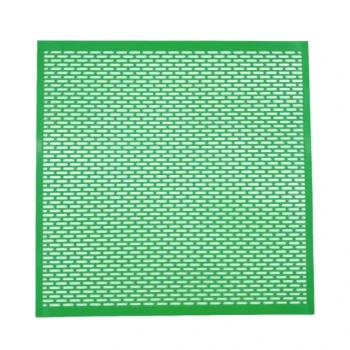
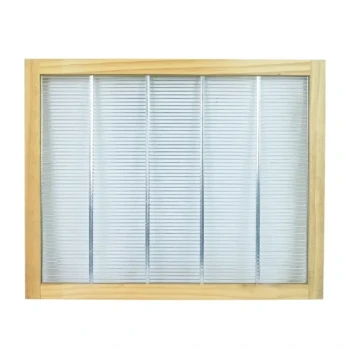
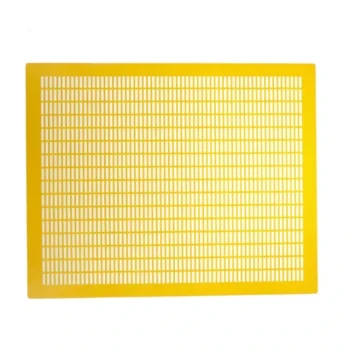
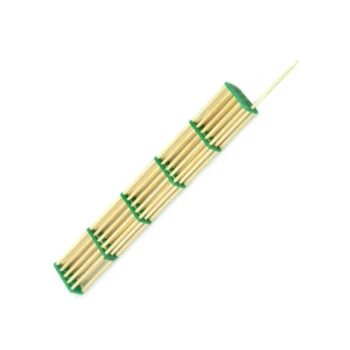
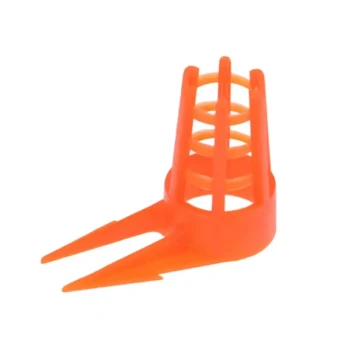
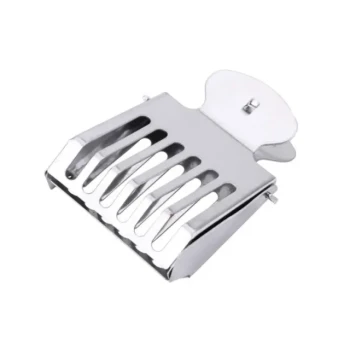
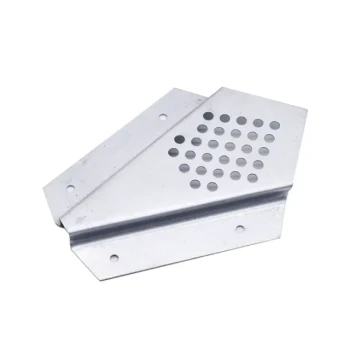
High-precision queen excluders are the fundamental control mechanism for isolating hive demographics in behavioral research. They utilize accurately sized apertures to physically separate the queen from worker bees, permitting the free passage of workers while restricting the queen. In the study of reproductive behavior, this technical capability is primarily applied to create isolated "queenless" zones, enabling the observation of parasitic worker egg-laying and the quantification of worker policing efficiency.
The core utility of a high-precision excluder is the creation of a controlled, semi-permeable barrier. By selectively restricting the queen, researchers can induce and measure specific reproductive conflicts—such as parasitic egg-laying and policing—without dismantling the colony's broader social structure.
Mechanisms of Behavioral Isolation
Precision Aperture Sizing
The technical efficacy of these devices relies entirely on accurately sized apertures.
This specific dimensioning acts as a mechanical filter. It is calibrated to be impassable for the larger queen bee but sufficiently open to allow smaller worker bees to traverse freely.
Creating Localized Queenless Zones
In research environments, these excluders are used to partition the hive.
By restricting the queen's movement to specific areas, researchers effectively create queenless sections within a living colony. This allows for the study of behaviors that typically only emerge or become visible in the absence of the queen's immediate physical presence.
Quantifying Reproductive Dynamics
Observing Parasitic Worker Egg-Laying
Once a section is isolated and effectively queenless, the reproductive behavior of workers changes.
Researchers use these zones to observe parasitic worker egg-laying. The excluder ensures that any eggs found in these specific areas are attributed to workers rather than the queen, creating a reliable dataset for worker reproduction.
Measuring Policing Efficiency
The free passage of worker bees through the excluder is critical for studying social immunity, specifically policing efficiency.
"Policing" refers to the removal of unauthorized worker-laid eggs by other workers (host workers). Because workers can move between the queen-right and queenless sections, researchers can observe how effectively the colony identifies and removes parasitic eggs.
Calculating Reproductive Success
The ultimate goal of using this apparatus is often to quantify the reproductive success of parasitic bees.
By comparing the rate of worker egg-laying against the rate of policing (egg removal), researchers can mathematically determine the success rate of parasitic reproductive strategies.
Critical Trade-offs and Considerations
Dependency on Mechanical Precision
The validity of the data is strictly bound to the accuracy of the excluder's manufacture.
If the apertures are slightly too large, the queen may breach the isolated section, contaminating the data by laying her own eggs. Conversely, if they are too small, they may hinder worker movement, disrupting the natural policing behaviors the study aims to measure.
The Scope of Isolation
It is important to recognize that the excluder creates physical isolation, not chemical isolation.
While the queen is physically restricted, worker traffic allows for the transfer of pheromones and resources. This distinction is vital; researchers are studying specific behavioral responses to the queen's physical absence in a specific zone, rather than total colony separation.
Making the Right Choice for Your Research
To effectively utilize high-precision excluders in your study, align the tool's usage with your specific data requirements:
- If your primary focus is Parasitic Behavior: Use the excluder to establish a strictly verified queenless zone to confirm that all observed eggs are of worker origin.
- If your primary focus is Colony Defense: Ensure free worker traffic through the excluder to accurately measure the rate of policing and egg removal by host workers.
Reliable data on honeybee reproductive conflict begins with the precise mechanical separation of the colony's castes.
Summary Table:
| Application Feature | Technical Mechanism | Research Outcome |
|---|---|---|
| Precision Aperture | Mechanical filtering (4.1mm - 4.3mm) | Isolates queen without restricting worker traffic |
| Zone Partitioning | Localized queenless zones | Observation of worker-specific reproductive behaviors |
| Worker Policing | Selective permeability | Quantifies social immunity and egg removal efficiency |
| Data Integrity | High-precision manufacturing | Ensures zero queen breach for accurate egg-source data |
Elevate Your Beekeeping Operation with HONESTBEE
At HONESTBEE, we specialize in empowering commercial apiaries and global distributors with professional-grade solutions. Whether you are conducting sophisticated reproductive research or scaling a honey production facility, our comprehensive wholesale portfolio has you covered.
Our Value to You:
- Precision Hardware: High-performance queen excluders, hive-making machinery, and honey-filling systems.
- Total Equipment Supply: From specialized beekeeping tools to essential industry consumables.
- Wholesale Excellence: Competitive pricing and bulk availability for large-scale operations.
- Cultural Merchandise: A unique array of honey-themed goods to diversify your retail offerings.
Ready to enhance your productivity with industry-leading equipment? Contact HONESTBEE today to discuss your wholesale needs and see how our expertise can grow your business.
References
- Peter Neumann, Randall Hepburn. Behavioural basis for social parasitismof Cape honeybees (<i>Apis mellifera capensis</i>). DOI: 10.1051/apido:2002008
This article is also based on technical information from HonestBee Knowledge Base .
Related Products
- High Performance Plastic Queen Excluder for Beekeeping and Apiary Management
- Professional Dual Action Queen Excluder Scraper for Beekeeping
- Premium Wood Framed Metal Wire Queen Bee Excluder
- Lightweight Durable Plastic Queen Excluder Scraper for Beekeeping
- High-Efficiency Diamond Maze Bee Escape for Clearing Supers
People Also Ask
- What are the characteristics of a plastic queen excluder? Key Benefits for Cost-Effective Beekeeping
- What are the operational and cost advantages of using plastic queen excluders over metal or wire excluders in commercial hive management? Discover how they reduce labor, prevent wing damage, and lower total costs.
- What types of queen excluders are available for beekeepers? Choose the Right Tool for Your Hive
- Why are standardized hive frames and queen excluders essential for maintaining honey purity and quality? Scale Your Purity
- Do plastic queen excluders work? A Cost-Effective Solution for Modern Apiaries