Protected hive bottom board monitoring offers superior data accuracy by physically isolating falling debris from the colony's activity. Utilizing grid protection sheets and collection plates that span the entire bottom of the hive, this method prevents honeybees from accessing, cleaning, or disturbing fallen mites, ensuring that the collected sample remains intact for analysis.
By physically separating the colony from the monitoring zone, you eliminate data loss caused by hygienic bee behavior. This ensures a continuous, non-invasive record of mite mortality that accurately reflects the true dynamics of the infestation.
Preserving Data Integrity Through Isolation
The Role of the Protection Grid
The primary physical advantage is the grid protection sheet. This barrier physically isolates the honeybees from the collection plate located beneath them.
Eliminating Hygienic Interference
Honeybees are naturally hygienic and will attempt to remove debris, including dead mites, from the hive. Without a physical barrier, bees would "clean" the monitoring area, leading to artificially low mite counts and inaccurate data.
Capturing Natural Mortality Dynamics
Because the bees cannot disturb the samples, this method facilitates continuous and long-term recording. It captures the natural rhythm of mite mortality rather than a random snapshot, providing a more complete picture of colony health.
Operational and Visual Advantages
Non-Invasive Assessment
This equipment allows for data collection without frequent hive openings. You can assess mite population density and mortality without disrupting the colony's temperature or stressing the bees.
Real-Time Treatment Verification
The setup is highly effective for monitoring active interventions, such as thermal treatments or powder applications. It provides real-time feedback on mite drops, allowing you to gauge the immediate effectiveness of a treatment process.
Enhanced Visual Contrast
When combined with white monitoring paper or plates, the physical setup creates high visual contrast. This allows technicians to easily identify and count the deep-red Varroa destructor mites against a clean background, reducing counting errors.
Understanding the Constraints
Mortality vs. Total Infestation
It is important to note that this method measures fallen mites (mortality). While this correlates with infestation levels, it is a passive metric compared to active sampling methods (like alcohol washes) that calculate an immediate infestation percentage on the bees themselves.
Equipment Dependence
Success relies on the integrity of the specific hardware. The grid must cover the entire bottom of the hive to prevent "blind spots" where mites might fall and be cleaned away by bees before they pass through the protection layer.
Making the Right Choice for Your Goal
To select the best monitoring strategy for your apiary, consider your specific data needs:
- If your primary focus is long-term trend analysis: Use protected bottom boards to track natural mortality dynamics over time without disrupting the colony.
- If your primary focus is treatment validation: Utilize this method during thermal or chemical applications to obtain immediate, quantifiable proof of mite kill rates.
Physical isolation of the sample is the only way to ensure that bee behavior does not compromise the accuracy of your mite mortality data.
Summary Table:
| Physical Feature | Advantage to Beekeepers | Impact on Data |
|---|---|---|
| Grid Protection Sheet | Physically isolates bees from the collection zone | Prevents bees from cleaning/removing dead mites |
| Full-Bottom Coverage | Eliminates 'blind spots' in the hive | Ensures every fallen mite is captured for analysis |
| High-Contrast Plates | Improved visual identification | Reduces human error in mite counting |
| External Access | Non-invasive monitoring | Allows data collection without disrupting hive temperature |
Scale Your Apiary Success with HONESTBEE
For commercial apiaries and global distributors, data accuracy is the foundation of effective colony management. HONESTBEE provides the professional-grade beekeeping tools, specialized machinery, and essential consumables you need to maintain healthy, productive hives. From high-precision monitoring equipment to advanced hive-making and honey-filling machines, our comprehensive wholesale offering is designed to support your growth and operational efficiency.
Ready to elevate your beekeeping operations? Contact HONESTBEE today to discuss our volume solutions and discover how our expert hardware can protect your investment.
References
- Christoph Sandrock, Pascal Brunner. Efficacy and trade-offs of an innovative hyperthermia device to control Varroa destructor in honeybee colonies. DOI: 10.1007/s10340-023-01709-2
This article is also based on technical information from HonestBee Knowledge Base .
Related Products
- Solid Bottom Board Australian Pine Wood Langstroth Bottom Board for Wholesale
- Langstroth Solid Bottom Board for Beekeeping
- Australian Pine Wood Langstroth Screen Bottom Board for Wholesale
- Langstroth Screen Bottom Board for Beekeeping Wholesale
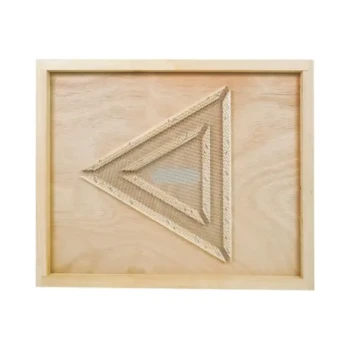
- HONESTBEE Wooden Bee Escape Board with Triangle Mesh Design for Beekeeping
People Also Ask
- In what conditions is a solid bottom board preferred over a screened bottom board? Maximize Hive Heat and Treatment
- What are the characteristics of a solid bottom board? A Guide to Hive Foundation & Climate Control
- What is the primary function of a solid bottom board on a beehive? Key Benefits for Hive Stability and Insulation
- How should a solid bottom board be cleaned? Essential Scraping Tips for Apiary Hygiene
- What is the primary function of a solid bottom board? Essential Thermal Insulation for Cold Climate Beekeeping