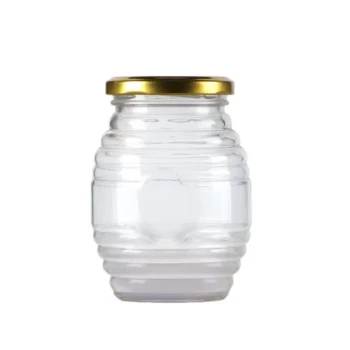
Direct placement of feed jars on top bars introduces significant risks to the colony's safety and feeding efficiency. The primary disadvantages are the potential for syrup leakage caused by temperature changes—which can drown or chill the bees—and the physical blockage of feeding holes by the wooden bars.
The critical flaw in this method is the lack of a buffer zone between the food source and the colony. Without a protective barrier or elevation, a simple temperature shift can turn a food source into a hazard for the queen.
The Physical Risks to the Colony
The Leakage Hazard
Temperature fluctuations are the enemy of inverted feed jars. As the temperature rises and falls, the air and liquid inside the jar expand and contract, breaking the vacuum seal.
This causes the syrup to drip directly downward. Because the jar is sitting immediately on the top bars, this syrup falls directly onto the bee cluster.
Threat to the Queen
The most critical consequence of leakage is the potential damage to the queen. If the jar is placed directly above her or a queen cage, she can become drenched in sticky sugar water.
A wet queen is susceptible to chilling or, in worse scenarios, the bees may attempt to clean her aggressively, leading to accidental balling or injury.
Restricted Access
When a jar lid with perforated holes sits flush against a flat wooden top bar, the wood effectively seals off many of the holes.
This significantly reduces the surface area available for the bees to access the syrup. The colony cannot feed as efficiently because the flow is physically restricted by the frame itself.
Operational Inefficiencies
Requirement for Extra Equipment
Placing jars on top bars is not a standalone solution; it requires enclosing the feeders. You must place an empty hive body on top of the brood box to house the jars, increasing the equipment needed for simple feeding.
Increased Disturbance
Compared to using an inner cover with a top feeder, this method can be more intrusive during inspection or refilling.
Understanding the Trade-offs
When to Use This Method
Despite the risks, this technique allows the food to be placed immediately adjacent to the cluster. This is sometimes necessary for weak colonies in cold weather that cannot break the cluster to move upward toward an inner cover.
Mitigating the Danger
If you must use this method, you can reduce the risk by careful positioning. Never place the jar directly over the center of the cluster or a queen cage.
Instead, position the jars near the edge of the bee cluster. This ensures that if the jar leaks, the syrup falls harmlessly to the side rather than onto the brood nest or the queen.
Making the Right Choice for Your Goal
If you are deciding how to configure your hive feeders, consider these specific scenarios:
- If your primary focus is Colony Safety: Use an inner cover or elevate the jars on small sticks to prevent direct contact and reduce the risk of drenching the bees.
- If your primary focus is Emergency Feeding in Cold: Place the jar directly on the top bars to minimize the travel distance for the bees, but position it strictly at the cluster's edge to protect the queen.
Ultimately, elevating the jar slightly or using an inner cover offers a safer, more efficient feeding experience than direct contact with the top bars.
Summary Table:
| Disadvantage | Impact on Colony | Mitigation Strategy |
|---|---|---|
| Syrup Leakage | Drowns or chills bees; breaks vacuum seal due to temp changes | Position jars at the edge of the cluster |
| Queen Hazard | Risk of chilling or aggressive balling if drenched | Never place jars directly over the queen or cage |
| Restricted Access | Top bars block feeder holes, reducing syrup flow | Elevate jars slightly or use an inner cover |
| Equipment Needs | Requires an extra empty hive body for housing | Use dedicated top feeders for better efficiency |
Scale Your Apiary Operations with HONESTBEE
Are you a commercial apiary or a beekeeping equipment distributor looking for reliable, high-quality solutions? HONESTBEE specializes in the wholesale supply of professional-grade beekeeping tools and industrial machinery. From high-precision honey-filling machines and hive-making equipment to essential consumables and honey-themed merchandise, we provide everything you need to optimize colony health and operational productivity.
Maximize your efficiency and safeguard your colonies—Contact us today to discuss our comprehensive wholesale offerings!
Related Products
- Classic Glass Honey Jar with Metal Lug Cap for Beehive Storage
- Rapid Bee Feeder White Plastic 2L Round Top Feeder for 8 or 10-Frame Bee Hives
- Classic Boardman Entrance Bee Feeder Hive Front Feeding Solution
- HONESTBEE Round Hive Top Bee Feeder for Syrup
- HONESTBEE Square Top Hive Bee Feeder Top Bee Feeder
People Also Ask
- What are the benefits of glass jars regarding strength and safety for storing honey? Ensure Purity and Long-Term Quality
- What are the advantages of using glass jars for honey storage? Ensure Purity and Premium Appeal for Your Product
- What are the benefits of using high-transparency Glass Jars for honey? Elevate Purity and Premium Branding
- What is the aesthetic appeal of using glass jars for honey? Elevate Your Brand with Premium Packaging
- Which container is best for storing honey? Preserve Purity & Flavor with the Right Choice