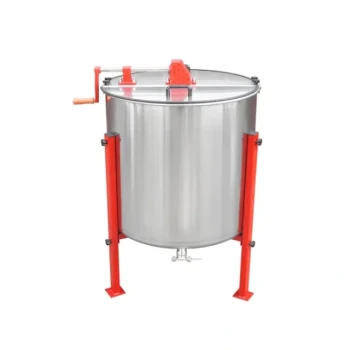
The primary advantage of manual extraction is a significantly higher recovery rate. When recovering beeswax from honey wine brewing residues, manual methods outperform mechanical alternatives by utilizing detailed handling to effectively separate pure wax. This hands-on approach minimizes waste and maximizes the quantity of the final product retrieved from the raw residue.
While mechanical options exist, manual extraction remains the superior method for maximizing resource efficiency. It delivers a measurable increase in total wax output, making it the critical choice for operations where yield volume is the defining metric.
Maximizing Resource Recovery
The Value of Detailed Handling
Manual extraction relies on distinct, hands-on manipulation of the brewing residues. This specific attention to detail allows for a more thorough separation of pure wax than standard mechanical processes.
By engaging directly with the material, operators can isolate wax that might otherwise be discarded or lost in an automated system.
Quantifiable Performance Gains
The efficiency gap between methods is backed by statistical data. Studies confirm that the average recovery rate for manual extraction reaches 33.5 percent.
This figure represents a substantial portion of the available material, ensuring that the bulk of the beeswax is successfully reclaimed.
Comparing Against Mechanical Systems
When pitted against mechanical equipment, the advantage of manual processing becomes stark. Mechanical extraction typically yields a recovery rate of only 22 percent.
This differential highlights that manual methods recover over 50% more product relative to the mechanical baseline, establishing it as the high-yield standard.
Understanding the Trade-offs
Equipment vs. Output
While manual extraction offers superior yields, it is important to contextualize this against mechanical alternatives. Mechanical equipment is defined by its lower efficiency in this specific application.
The Cost of Automation
Opting for mechanical extraction involves a tangible loss of product. The convenience of using mechanical equipment comes at the direct expense of roughly 11.5 percentage points of potential yield.
Therefore, the decision to use manual methods is a decision to prioritize material retention over the characteristics of mechanical processing.
Making the Right Choice for Your Goal
To select the appropriate extraction strategy, you must weigh the importance of total volume against your processing capabilities.
- If your primary focus is maximizing product yield: Prioritize manual extraction to achieve recovery rates near 33.5%, ensuring the most efficient use of your brewing residues.
- If your primary focus is relying on mechanical infrastructure: Be prepared to accept a lower recovery baseline of approximately 22%, acknowledging the loss of potential product as an operational cost.
For producers seeking the highest possible return from their raw materials, manual extraction is the technically superior approach.
Summary Table:
| Extraction Method | Average Recovery Rate | Yield Efficiency |
|---|---|---|
| Manual Extraction | 33.5% | High (Optimal Yield) |
| Mechanical Extraction | 22.0% | Low (Product Loss) |
| Yield Difference | +11.5% | Manual is 50% more efficient |
Maximize Your Apiary's Output with HONESTBEE
Don't let valuable beeswax go to waste through inefficient processing. At HONESTBEE, we specialize in supporting commercial apiaries and distributors with the high-performance tools and machinery needed to optimize every stage of production. From specialized hive-making equipment and precision honey-filling machines to a comprehensive range of beekeeping consumables, our wholesale portfolio is designed to enhance your operational efficiency and yield.
Whether you are scaling your extraction process or stocking the latest in beekeeping hardware, our team is ready to provide the professional-grade solutions your business demands. Contact HONESTBEE today to explore our full product range and see how our industry expertise can drive your success.
References
- Tekeba Eshetie. Determination of the proportion of pure beeswax recovered from crude beeswax resources at local honey wine making houses in Ethiopia. DOI: 10.15406/jnhfe.2018.08.00281
This article is also based on technical information from HonestBee Knowledge Base .
Related Products
- 10L Stainless Steel Honey Wax Press Extractor for Wax Cappings
- Stainless Steel Manual Honey Press with Guard for Pressing Honey and Wax
- HONESTBEE 2 Frame Manual Acrylic Honey Extractor Beekeeping Equipment
- 6 Frame Manual Stainless Steel Honey Extractor Beekeeping Equipment
- Electric 8 Frame Honey Spinner Extractor Equipment for Beekeeping
People Also Ask
- What are the key features and benefits of a stainless steel honey extractor? Upgrade to Professional Purity
- What is a stainless steel honey extractor? Boost Your Apiary's Efficiency with Professional Extraction
- What are the key features of a stainless steel honey extractor? Ensure Purity & Longevity for Your Honey
- What are the advantages of selecting a stainless steel honey extractor over a plastic one? Pro Beekeeping Guide
- How do specialized organic beekeeping tools impact production efficiency? Maximize honey yields and ensure compliance.