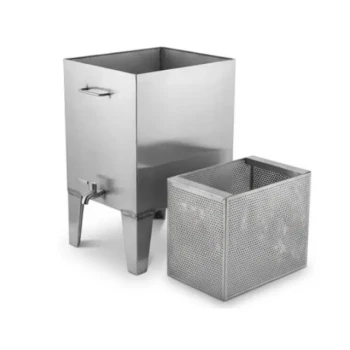
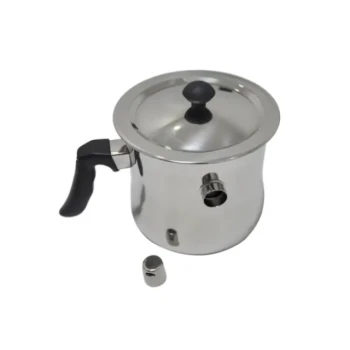
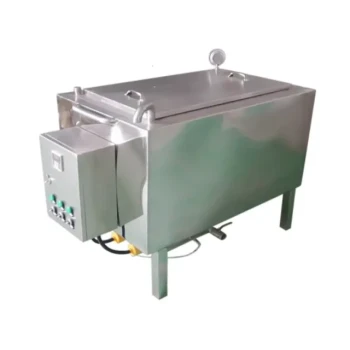
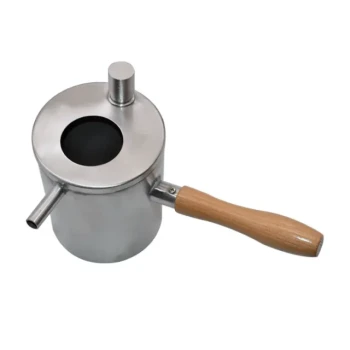
The primary process objectives of heating and melting equipment in beeswax refining are to liquefy raw material for effective filtration and to stabilize the wax's physical properties. By employing precise temperature control, this equipment isolates high-purity beeswax from mechanical impurities while strictly preserving the consistent color and structural integrity required by the cosmetic, pharmaceutical, and industrial polishing sectors.
Core Insight: The refining process is a delicate balance between purification and preservation. The equipment’s ultimate goal is not merely to melt the wax, but to separate it from biological debris without altering its inherent chemical value, ensuring the final product meets stringent industry-grade standards.
Achieving High-Purity Refinement
Liquefaction for Separation
The initial objective of the equipment is to convert solid raw material—including old foundation, waste combs, and burr combs—into a liquid state.
This phase utilizes controlled heating mechanisms, such as steam or electric systems, to create a medium suitable for processing.
Removal of Physical Contaminants
Once liquefied, the wax undergoes an integrated filtration process.
The objective here is the effective mechanical separation of impurities, such as bee cocoons, hive debris, and other biological residues.
This step transforms "dirty" raw by-products into a clean, refined substance suitable for commercial use.
Preservation of Material Integrity
Precise Temperature Control
Maintaining a constant, controlled temperature is the most critical technical objective.
Unregulated heat can cause thermal degradation, effectively ruining the chemical properties that make beeswax valuable.
Equipment is designed to prevent overheating, ensuring the wax does not burn or lose its structural stability.
Retaining Color and Aroma
High-value markets, particularly cosmetics, demand specific aesthetic qualities.
The process aims to minimize thermal damage to preserve the beeswax's original, natural color and characteristic aroma.
This preservation ensures the refined wax remains a viable raw material for high-end consumer goods.
Standardization and Economic Efficiency
Resource Recovery
The equipment is designed to maximize resource utilization by recovering pure wax from beekeeping by-products.
This turns waste materials into a consistent secondary revenue stream for apiaries alongside honey production.
Solidification and Logistics
The final process objective involves casting the purified liquid into standardized molds.
Whether using industrial forms or smaller containers, this step ensures the wax cools into uniform blocks.
Standardization facilitates efficient storage, easier logistics, and seamless trading of the material as a commodity.
Understanding the Trade-offs
Filtration Density vs. Processing Speed
Achieving the highest purity levels (e.g., for pharmaceutical use) often requires high-density filtration consumables.
While this removes microscopic impurities, it can slow down the overall throughput of the melting cycle compared to coarser filtration used for industrial polishing wax.
Thermal Safety vs. Production Volume
Rapid heating can increase production speed, but it significantly raises the risk of "burning" the wax.
Burnt impurities degrade the quality and lower the market grade of the final product.
The most effective equipment prioritizes gradual, consistent heating over rapid melting to protect the asset's value.
Aligning Equipment with Production Goals
To select the right processing strategy, you must define the intended end-use of your refined beeswax.
- If your primary focus is Cosmetic or Pharmaceutical Applications: Prioritize equipment with advanced temperature precision and multi-stage filtration to ensure maximum purity and aroma retention.
- If your primary focus is Industrial Polishing or Crafting: Focus on equipment with robust throughput and standardized molding capabilities to handle larger volumes of raw material efficiently.
- If your primary focus is Apiary Resource Recovery: Ensure the system handles high debris loads effectively to maximize the yield of usable wax from waste combs.
True efficiency in beeswax refining is achieved when the purification process enhances the material's value without compromising its natural properties.
Summary Table:
| Objective Category | Key Process Goal | Technical Requirement |
|---|---|---|
| Purity & Filtration | Removal of biological debris & cocoons | Multi-stage filtration systems |
| Material Integrity | Preservation of natural color and aroma | Precise, stable temperature control |
| Efficiency | Maximizing yield from waste combs | High-debris processing capacity |
| Logistics | Uniform solidification for trade | Standardized molding and casting |
Elevate Your Beeswax Production with HONESTBEE
Maximize the value of your apiary by-products with professional-grade refining solutions. At HONESTBEE, we specialize in supporting commercial apiaries and global distributors with a comprehensive range of beekeeping tools, machinery, and essential consumables.
Whether you need precision honey-filling machines, high-capacity hive-making hardware, or specialized beeswax melting equipment, our portfolio is designed to ensure your product meets the highest pharmaceutical and cosmetic standards. Partner with us to transform raw waste into high-purity commodities through superior technology.
Contact HONESTBEE Today for Custom Wholesale Solutions
References
- أحمد على سید إبراهیم الدرس, بهاء فؤاد مبروک سلیمان مُقبلة. نحل العسل ومنتجاته فی محافظة بنی سویف - دراسة فی الجغرافیا الاقتصادیة. DOI: 10.21608/agj.2021.228503
This article is also based on technical information from HonestBee Knowledge Base .
Related Products
- Steam Beeswax Melter Wax Warmer for Wax Processing
- Beeswax Melter for Candle Making Honey Bee Wax Melter
- Electric Commercial Beeswax Melter for Factory Use
- Solar Beeswax Melter Easy Solar Wax Melter for Beeswax
- Professional Stainless Steel Wax Melter for Beekeeping and Crafts
People Also Ask
- How does a steam wax melter work? A Fast, Efficient Method for High-Quality Wax
- How does a professional steam wax melter optimize the recovery of beeswax? Maximize Yield & Hygiene for Your Apiary
- What are the steps to use a steam wax melter? Master Safe & Efficient Wax Rendering
- How do steam wax melters function in the disinfection of apiary equipment? Achieve Chemical-Free Organic Sterilization
- How do you operate a steam wax melter? Master Efficient Wax Extraction and Frame Sterilization