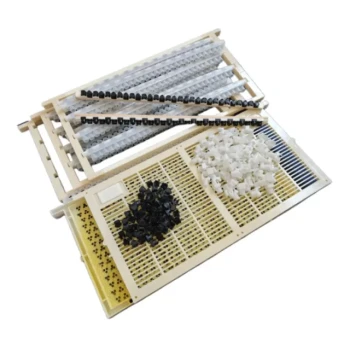
Integrated queen rearing systems offer a decisive technical advantage by eliminating the variability of manual grafting. By allowing the queen to lay eggs directly into specialized plastic cups, these systems bypass the need to physically transfer fragile larvae. This fundamental shift in methodology prioritizes larval structural integrity and significantly reduces the labor required for high-quality queen production.
The core value of an integrated system is the standardization of the biological environment. It replaces the dexterity-dependent "art" of grafting with a mechanical process that ensures larvae are never touched, thereby minimizing rejection and maximizing survival rates.
Eliminating Mechanical Risk
The Direct Laying Advantage
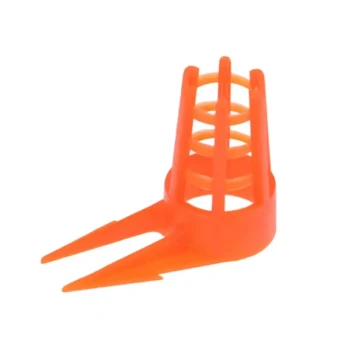
In traditional methods, a beekeeper must use a tool to lift a microscopic larva from a worker cell to a queen cup. An integrated system removes this step entirely. The queen is confined to a cassette where she lays eggs directly into removable plastic cell cups.
Preserving Larval Health
Manual grafting carries a high risk of mechanical damage to the young larvae. Even invisible micro-abrasions can compromise the developing queen. Because the integrated system requires no physical handling of the larva, this risk is effectively reduced to zero.
Operational Efficiency and Yield
Reducing Labor Intensity
Producing queens via manual grafting is a time-consuming process that requires exceptional eyesight and steady hands. Integrated systems significantly reduce labor intensity. The technical barrier to entry is lowered, allowing for consistent production without the physical fatigue associated with grafting hundreds of larvae.
Improving Colony Acceptance
The primary metric for success in queen rearing is the "take" rate—how many larvae the nurse bees accept and feed. Because the larvae in an integrated system are untouched and remain in their original position, the system improves acceptance and survival rates. The colony perceives less disturbance, leading to a more seamless transition from egg to royal larva.
Understanding the Trade-offs and Context
Biological Requirements
While the hardware solves the mechanical issues, it does not replace the need for biological expertise. The supplementary data confirms these systems are suitable for European honeybees (Apis mellifera) and local subspecies, but success is not automatic.
The Role of the Beekeeper
The system is a tool, not a substitute for management. A beekeeper must still possess a deep understanding of the specific biological requirements and behaviors of their bee stock. If the colony is not in the correct physiological state to raise queens, the plastic cups will remain empty regardless of the system's mechanical advantages.
Making the Right Choice for Your Goal
To determine if an integrated system aligns with your production needs, consider the following technical priorities:
- If your primary focus is larval quality: Use this system to guarantee a non-grafting process that eliminates the possibility of physical injury to the developing bee.
- If your primary focus is process efficiency: Adopt this method to lower the labor intensity and dexterity requirements typically needed for large-scale operations.
- If your primary focus is stock versatility: Verify that you understand the specific behavioral nuances of your subspecies, as the hardware supports—but does not automate—biological compatibility.
Adopting an integrated system shifts the focus from manual dexterity to colony management, resulting in a more robust and scalable production cycle.
Summary Table:
| Technical Advantage | Key Benefit | Impact on Production |
|---|---|---|
| Non-Grafting Process | Eliminates physical handling of larvae | Zero risk of mechanical damage or micro-abrasions |
| Direct Laying | Queen lays eggs directly into cell cups | Maximizes structural integrity and larval health |
| Standardization | Mechanical process replaces manual dexterity | Higher acceptance rates and more consistent yields |
| Labor Efficiency | Lower technical barrier to entry | Reduced labor intensity and fatigue for operators |
Scale Your Apiary’s Potential with HONESTBEE Professional Solutions
Are you looking to enhance your queen production efficiency and ensure the highest larval quality? HONESTBEE specializes in supporting commercial apiaries and distributors with a comprehensive range of high-performance beekeeping tools and machinery.
From advanced integrated queen rearing systems and hive-making machinery to specialized honey-filling equipment and industry consumables, we provide the technical edge you need to grow. Partner with us to access professional-grade hardware and honey-themed cultural merchandise designed for the global market.
Ready to elevate your beekeeping business? Contact us today to explore our wholesale offerings!
References
- T. Al-Ghazaly, Aied N. Oueed. Effect of some artifical diets on queen the native queens of Apis mellifera L. (Apidae: Hymenoiptera) rearing in queenright colonies by using Jenter pparatus. DOI: 10.32649/ajas.2011.28762
This article is also based on technical information from HonestBee Knowledge Base .
Related Products
- No Grafting Queen Rearing Kit: System for Royal Jelly Production and Queen Rearing
- Nicot Queen Rearing Kit for Beekeeping and Grafting in Nicot System
- Premium Nicot Style Queen Rearing Kit with Hair Roller Bee Cages
- JZBZ Langstroth Queen Rearing Frame for Beekeeping
- Premium Nicot Style Cell Bar Holder and Queen Cell Cup Holder System
People Also Ask
- What is the primary function of a queen rearing kit? Eliminate Manual Grafting for Superior Bee Breeding
- How do specialized queen rearing kits and queen management tools improve the success rate of bee colony expansion?
- What are some alternative methods to grafting for queen cell production? Discover Graft-Free Queen Rearing Systems
- Are queen rearing systems generally suitable for all honeybee species? Master Efficient Breeding Methods
- Are queen rearing systems suitable for all beekeepers? Modern Tools for Every Experience Level