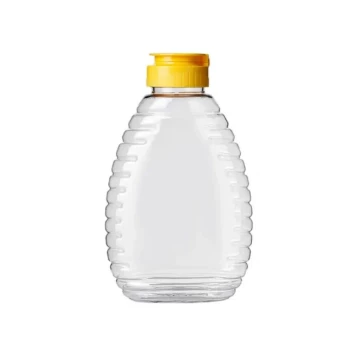
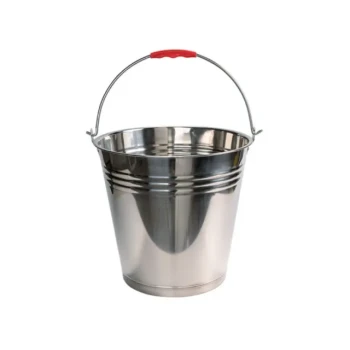
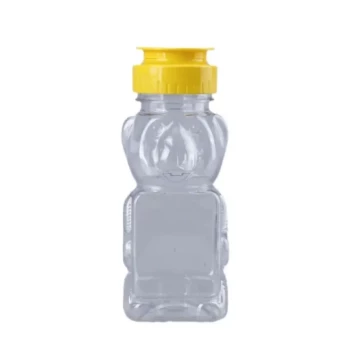
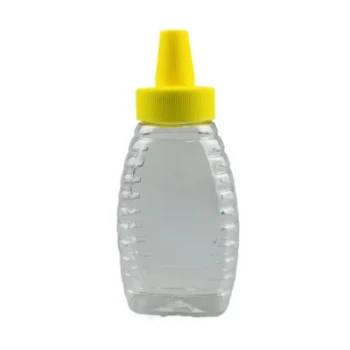
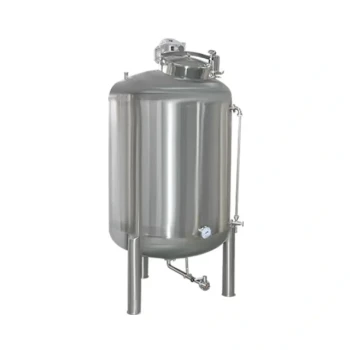
Proper honey storage relies strictly on controlling moisture and temperature. To maintain quality and prevent spoilage, honey should be packaged shortly after extraction into glass jars with screw-on lids, food-grade plastic buckets, or food-grade metal containers. These vessels must be stored in a cool, dry, and dark environment to preserve the honey's enzymes and flavor profile.
The longevity and quality of honey are determined primarily by the airtightness of the container and the stability of the storage environment. Improper sealing leads to moisture absorption and subsequent fermentation, while exposure to heat destroys critical enzymes; therefore, using neutral, airtight packaging in cool, dark locations is the gold standard.
Optimizing the Storage Environment
Controlling Temperature and Light
Honey is sensitive to environmental fluctuations. It must be stored in cool, dry, and dark areas to maintain its chemical stability. Exposure to light and heat can degrade the honey over time, altering its taste and nutritional value.
Preventing Fermentation
The most critical risk to stored honey is the absorption of moisture from the air. If containers are not sealed properly, the honey will pull in ambient humidity. This excess moisture creates an environment conducive to fermentation, which ruins the harvest.
Managing Excess Moisture Without Heat
If your honey has high moisture content, you must reduce it before long-term storage. Do not heat the honey, as thermal treatment destroys natural enzymes and negatively impacts the taste. Instead, blow air over a pan of honey for several hours using an electric fan to evaporate excess water gently.
Selecting the Right Packaging
Glass Jars
Glass is often considered the ideal material for consumer-facing packaging. It is chemically neutral, meaning it has stable physical properties that will not react with the honey or alter its quality. Furthermore, the transparency of glass allows for direct observation of color and crystallization, which helps establish market trust.
Food-Grade Bulk Containers
For larger quantities, food-grade plastic buckets or metal containers are acceptable methods of storage. These containers must have well-sealing lids to ensure an airtight environment. Standard plastic or metal that is not rated for food use should never be used, as it may leach chemicals into the product.
Common Pitfalls to Avoid
The "Heating" Mistake
A common error when trying to condition honey or remove moisture is the application of heat. This should be avoided whenever possible. Heat is destructive to the delicate enzymes that distinguish raw honey from processed syrup, and it can permanently flatten the flavor profile.
Delayed Packaging
Leaving honey exposed for long periods after extraction increases the risk of contamination and moisture uptake. It is best practice to fill your chosen containers shortly after extraction. Immediate packaging seals in the quality and reduces the window of opportunity for environmental degradation.
Making the Right Choice for Your Goal
To ensure your honey remains pristine, choose your method based on your specific end-goal:
- If your primary focus is retail presentation: Prioritize glass jars with screw-on lids to showcase purity and ensure chemical neutrality.
- If your primary focus is long-term bulk storage: Utilize food-grade plastic buckets with high-quality seals to prevent moisture ingress and fermentation.
- If your primary focus is correcting high moisture content: Avoid heating elements entirely and utilize air circulation (fans) to lower water content without damaging enzymes.
By rigorously controlling the seal and the environment, you ensure your honey retains the distinct character and quality intended by nature.
Summary Table:
| Storage Factor | Recommended Method | Key Benefit |
|---|---|---|
| Container Material | Glass jars or food-grade plastic/metal | Chemical neutrality and airtight sealing |
| Environment | Cool, dry, and dark location | Preserves enzymes, flavor, and prevents degradation |
| Moisture Control | Air circulation (fans) over heating | Prevents fermentation without destroying nutrients |
| Timing | Immediate packaging after extraction | Minimizes contamination and moisture absorption |
| Seal Type | Screw-on or high-quality airtight lids | Blocks ambient humidity and preserves quality |
Elevate Your Beekeeping Operation with HONESTBEE
At HONESTBEE, we specialize in supporting commercial apiaries and distributors with high-performance solutions. Whether you need honey-filling machines to speed up your packaging process, durable food-grade containers, or professional-grade beekeeping tools, we have the expertise to scale your business.
Our comprehensive wholesale portfolio is designed to help you maintain the highest honey quality from hive to jar. Contact us today to discover how our specialized machinery and essential consumables can optimize your production and increase your market value.
Related Products
- Double Nozzle Small Honey Filling Machine Honey Sachet Packing Packaging Equipment
- Small Honey Filling Machine Sachet Packing Equipment Single Nozzle
- Automatic Single-Dose Snap & Squeeze Honey Sachets Packing Machine
- Fully Automatic Honey Filling Packaging Machine for Processing Line
- Precision Automated Packaging Turntable Honey Spoon Filling Sealing Packing Machine
People Also Ask
- How does industrial honey-filling machinery support Robinia pseudoacacia stands? Maximize Your Acacia Honey Yield
- What value do retail packaging equipment and filling technologies provide in the honey distribution process? Maximize ROI
- How does high-precision honey filling equipment protect honey's biological activity? Safeguard Purity & Premium Value
- What is honey filling equipment used for? Optimize Your Bottling with Precision Automation
- How does specialized honey filling equipment contribute to honey distribution? Scale Your Wholesale Efficiency Today