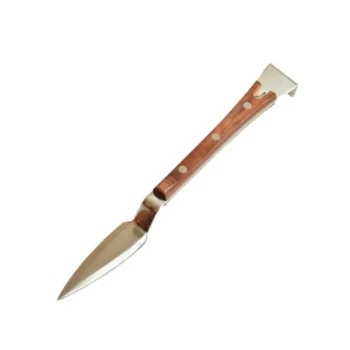
Use sterile, disposable coring tools and a laboratory-approved chain of custody. Sample bee bread by taking one core from the center of each of 5–10 cells across multiple frames and, ideally, multiple colonies or defined sampling units. Keep fungal-testing samples chilled but unfrozen unless the diagnostic laboratory specifies otherwise; divide samples before preservation because pesticide-residue laboratories may require frozen storage. Label every sample with complete apiary, colony, treatment, date, and frame-location information, then ship it rapidly to the appropriate laboratory.
Representative sampling and correct preservation matter as much as the laboratory method. Use clean tools, avoid wax contamination, separate fungal and pesticide portions, and confirm packaging and temperature requirements with each laboratory before collection.
How to Collect Representative Bee Bread Samples
Sample the center of individual cells
Insert a sterile polyethylene pipette tip, disposable coring tool, or clean sampling straw directly into the center of a bee-bread cell. This helps obtain the target material while reducing contact with surrounding beeswax, honey, and debris.
Remove and retain the core inside the sampling tip or straw whenever possible. Avoid scraping across the comb surface, which can introduce wax fragments and other contaminants.
Use multiple cells and frames
Collect one core per cell from approximately 5–10 cells. Distribute the cells across several frames within the colony rather than taking all material from one convenient location.
For commercial surveys, define the sampling unit in advance. Depending on the objective, this may be one colony, one apiary, or a pooled set of colonies from the same site.
Preserve the sample structure
Use standard frames or clearly defined frame areas when comparing colonies, locations, or suppliers. Consistent sampling areas improve comparability across geographical sites and production batches.
Do not unnecessarily crush or blend samples in the field. Keep the material contained in its original sampling device or in a clean, laboratory-approved container until the laboratory confirms whether homogenization is required.
Which Tools Are Appropriate?
Sterile disposable coring tools
The preferred field tools are prepackaged sterile pipette tips, sterile polyethylene tips, or disposable sampling straws that fit the cell dimensions. These tools reduce cross-contamination between colonies and avoid the cleaning variability associated with reusable equipment.
Use a new tool for each cell when practical, and at minimum use new tools between colonies, apiaries, and treatment groups. Keep unused tools sealed until collection.
Clean manual sampling equipment
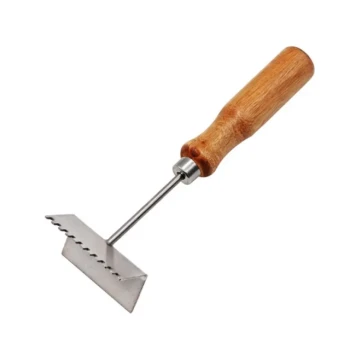
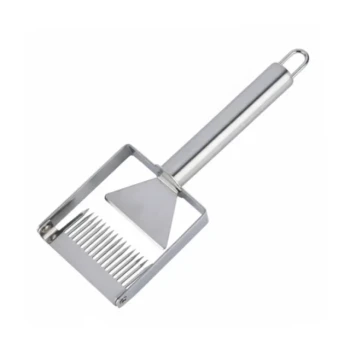
Specialized manual corers can remove fermented pollen accurately while limiting damage to the surrounding comb. This is useful when the wax structure must remain intact or when the sample must contain as little beeswax as possible.
If reusable tools are used, they require a validated cleaning and decontamination procedure. Do not rely on visual cleanliness alone for residue or microbiological work.
Supporting field equipment
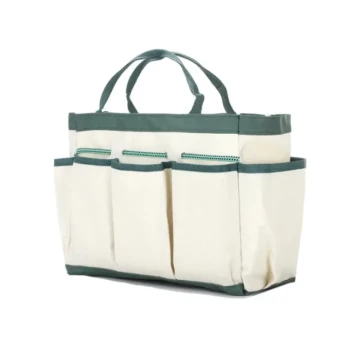
Prepare clean gloves, forceps if needed, tamper-evident bags, waterproof labels, a permanent marker, a sample log, and a cooler with cold packs. Keep cold packs separated from samples so containers do not become wet or damaged.
Use separate tools and packaging for different treatment histories. This is especially important when comparing treated and untreated colonies.
How Should Samples Be Labeled?
Record the apiary and colony
Each container should identify the apiary site, collection date, colony identification number, and treatment history. Include the beekeeper or operator contact and the requested test when the laboratory requires it.
A coded identifier is useful for large commercial programs, but the code key must be retained securely and linked to the field records.
Record the frame location
Document the frame number or position, side of the frame, and approximate cell area. Note whether the material was taken from the upper, middle, or lower frame region if location may affect the interpretation.
Record the number of cells sampled and whether the sample is an individual-cell sample or a pooled colony sample.
Maintain chain-of-custody records
Log the collector, collection time, packaging time, shipping method, and laboratory receiving information. For regulated pesticide investigations, use tamper-evident packaging and any chain-of-custody form required by the laboratory.
Photographs of the sampled frames can provide useful supporting evidence, particularly for multi-site or supplier-quality programs.
How Should Samples Be Packaged and Transported?
Fungal testing requires viable material
Samples intended for fungal colony enumeration or culture-based analysis should generally not be frozen unless the diagnostic laboratory specifically instructs you to do so. Freezing can reduce the viability of some fungi and alter the microbial profile, which may affect enumeration and interpretation.
Keep these samples cool, protected from heat and direct sunlight, and ship them by an overnight service directly to the diagnostic laboratory. Confirm the laboratory's acceptable temperature range and maximum transit time before sampling.
Pesticide-residue samples follow laboratory requirements
Pesticide residues are chemical analytes, so the preservation requirement may differ from fungal testing. Many analytical laboratories request rapid chilling or freezing to limit degradation, but the correct condition depends on the target compounds, container, and validated method.
Do not apply the fungal no-freezing rule automatically to pesticide samples. Ask the residue laboratory for its written instructions and collect a separate portion when the two tests have different preservation requirements.
Use compatible containers
Wrap samples in clean aluminum foil or place them in laboratory-approved plastic bags or containers when directed by the receiving laboratory. Packaging must be clean, sealable, and resistant to leakage.
For pesticide testing, use containers and liners that will not introduce target compounds or interfere with extraction. Avoid household packaging, reused bags, printed materials, and containers that may contain chemical residues unless the laboratory has approved them.
How Do the Two Testing Programs Differ?
Fungal colony enumeration
The objective is to preserve living or recoverable fungal organisms for culture or enumeration. Sampling must therefore minimize heat exposure, delay, desiccation, and inappropriate freezing.
The laboratory should receive a representative, uncontaminated sample with a clear record of its collection and transport conditions.
Pesticide-residue analysis
The objective is to measure chemical residues across a defined analytical matrix. The sample should contain as little extraneous beeswax, dirt, honey, and handling contamination as practical because these materials can affect extraction and matrix effects.
Residue testing may require a larger mass, a pooled sample, frozen transport, or a specific container. These details must come from the analytical laboratory rather than being inferred from fungal-testing procedures.
Split samples before preservation
When both analyses are required, collect enough material to create separate fungal and pesticide portions. Label each portion with the same parent sample code and identify its intended test.
Splitting at collection prevents a preservation method suitable for one analysis from compromising the other.
Understanding the Trade-offs
Representative sampling versus hive disturbance
Taking samples from multiple frames improves representativeness but increases handling time and disturbance to the colony. Use a predefined sampling plan so operators collect comparable material without unnecessary manipulation.
Sample purity versus sample quantity
Minimizing wax improves chemical-test purity, but very small cores may not provide enough material for all requested analyses. Confirm the laboratory's minimum sample mass before fieldwork and increase the number of sampled cells when necessary.
Speed versus logistical cost
Overnight delivery and controlled cooling increase shipping costs, but prolonged transit can compromise fungal viability and reduce confidence in the result. For commercial operations, standardized kits and scheduled laboratory shipments can improve turnaround and order fulfillment.
Pooled samples versus individual samples
Pooling can reduce analytical cost and describe an apiary-level condition, but it can conceal variation between colonies. Keep individual-colony samples when treatment history, disease status, geography, or regulatory traceability matters.
Freezing as a general preservation rule
Freezing is not universally correct or incorrect. It may damage the validity of culture-based fungal testing while being appropriate for some pesticide-residue methods, so preservation must be matched to the laboratory's validated procedure.
Common Pitfalls to Avoid
Using the same tool across samples
A reusable or shared tool can transfer fungi, wax, pollen, or pesticide residues between colonies. Use sterile disposable tools or a validated cleaning process between every defined sampling unit.
Sampling only the easiest cells
Convenience sampling from one frame or one visible patch may not represent the colony. Follow a location-based plan that covers multiple frames and records the sampled coordinates.
Combining incompatible tests in one container
A single container may be unsuitable for both microbiological and chemical analysis. Confirm the requirements for each test and split the collection into separately labeled portions.
Shipping without laboratory confirmation
Laboratories differ in minimum quantity, container type, cooling requirements, and acceptable transit time. Obtain their instructions before collection, especially when testing is part of a commercial quality, regulatory, or supplier-verification program.
How to Apply This to Your Sampling Program
Select tools, containers, sample quantities, and shipping conditions with the receiving laboratories before visiting the apiary.
- If your primary focus is fungal enumeration: Use sterile disposable coring tools, collect cores from 5–10 cells across multiple frames, keep samples cool but unfrozen unless instructed otherwise, and ship them overnight.
- If your primary focus is pesticide-residue analysis: Minimize beeswax contamination, collect sufficient material for the laboratory's method, and follow its written container, chilling, or freezing requirements.
- If your primary focus is both tests: Collect enough bee bread to split into separate fungal and pesticide portions at the apiary, then preserve and ship each portion according to its specific laboratory protocol.
- If your primary focus is commercial traceability: Use coded labels, frame coordinates, treatment records, tamper-evident packaging, and a documented chain of custody for every colony and shipment.
- If your primary focus is efficient multi-site sourcing: Standardize tools, frame areas, collection forms, and courier schedules so samples from different apiaries can be compared and processed consistently.
A defensible bee-bread result begins with a representative sample, an uncontaminated tool, and preservation conditions matched to the test.
Summary Table:
| Aspect | Fungal Testing | Pesticide Residue Testing |
|---|---|---|
| Primary Objective | Preserve living fungal organisms for culture | Measure chemical residues accurately |
| Preservation | Keep cool, not frozen (unless specified) | Follow lab instructions; may require freezing |
| Sample Handling | Minimize heat, delay, desiccation | Minimize wax and contamination |
| Container | Clean, sealable, lab-approved | Container approved for residue analysis |
| Sample Quantity | Confirm minimum mass; may need more cells | Usually larger mass required |
| Shipping | Overnight, cool | As per lab instructions |
Ensure your bee bread sampling meets the highest standards with HONESTBEE's comprehensive range of beekeeping tools and equipment. Our wholesale offerings for commercial apiaries and distributors include sterile sampling tools, labeling systems, and cold chain logistics support to streamline your field collection. With fast response, dedicated service, and ultra-fast delivery, we help you achieve reliable results efficiently. Contact us today to equip your sampling program for success — Get in touch with HONESTBEE now.
Related Products
- Plastic Beekeeping Honey Bee Larvae Grafting Tools for Queen Rearing and Chinese Grafting
- HONESTBEE 15-in-1 Beekeeper Multi-Tool with Hammer and Pliers for Beekeeping
- Classic Wooden Bee Brush with Double-Row Boar Bristles
- HONESTBEE Professional Mini J-Hook Hive Tool for Beekeeping
- Ergonomic Plastic Frame Spacer Tool for Rapid Hive Management Beekeeping
People Also Ask
- How do larvae grafting tools and royal jelly production kits contribute to a diversified bee product strategy?
- What happens if a larva is grafted too late? Avoid Scrub Queens and Failed Rearing
- What is the primary function of a Professional Bee Larvae Grafting Tool in queen rearing? Enhance Breeding Efficiency
- What is the grafting method of queen rearing? Master Controlled Queen Production for Your Apiary
- What is the primary function and technical requirement of a larvae grafting tool? Master Precision Queen Rearing