To ensure maximum shelf life and flavor preservation, store liquid honey in airtight glass or food-grade plastic containers kept in a cool, dry, and dark location. The most critical factor is maintaining a tight seal to prevent the honey from absorbing moisture from the air, which can lead to fermentation.
The Golden Rule of Honey Storage Honey is a stable food product that never truly spoils if stored correctly, but its quality depends entirely on its environment. Keep it in a non-reactive vessel (preferably glass) with a secure lid, away from heat and direct sunlight, to protect its enzymes and prevent oxidation.
Choosing the Right Vessel
The Superiority of Glass
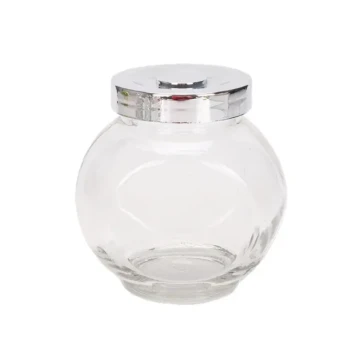
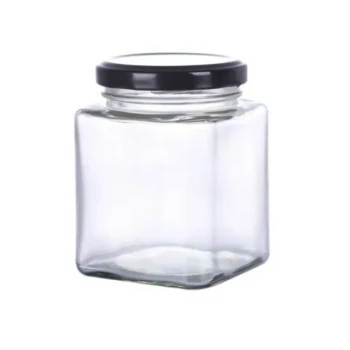
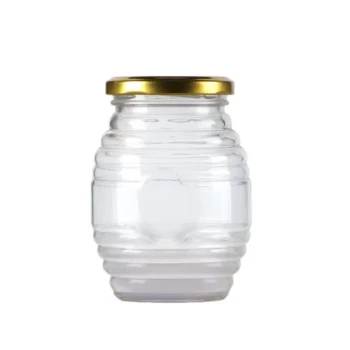
Glass is the gold standard for storing honey, particularly for long-term preservation. It is non-reactive, meaning it will not chemically interact with the honey or alter its flavor profile.
Glass creates a formidable barrier against air and moisture. Unlike plastic, it is impervious to scratching and degradation over time, ensuring no micro-particles contaminate the liquid.
Food-Grade Plastic Alternatives
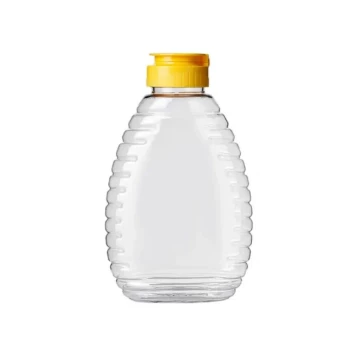
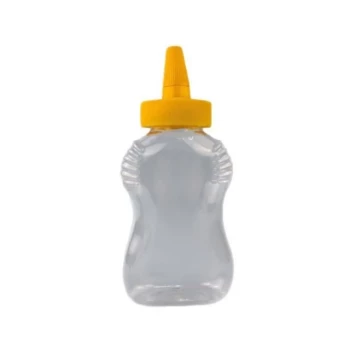
Food-grade plastic bottles or buckets are acceptable storage solutions, especially for short-term use or bulk handling. Always verify that the container is explicitly marked as food-grade to prevent chemical leaching.
Non-food-grade plastics must be avoided entirely. They can introduce unpleasant odors and release heavy metals or chemical residues that compromise food safety.
Materials to Avoid
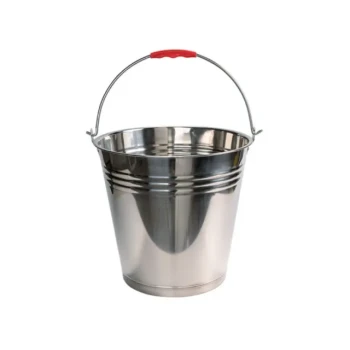
You should strictly avoid metal containers for direct honey storage. The acidity of honey can react with metal surfaces, causing oxidation that taints the flavor and increases the heavy metal content.
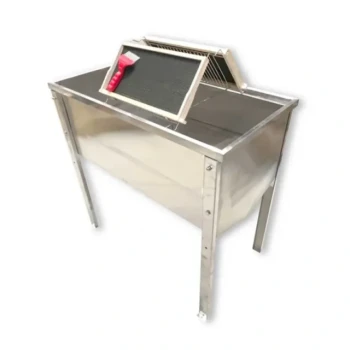
While highly specialized food-grade stainless steel exists for industrial processing, general metal containers pose a significant risk to the honey's quality and safety.
Regulating the Environment
Controlling Light and Heat
Honey contains natural enzymes that are sensitive to their environment. To preserve these enzymes and the honey's distinct flavor, store containers in a cool, dark place like a pantry or cupboard.
Direct sunlight and heat can degrade the biological properties of the honey. While gentle warming is used to bottle honey, prolonged exposure to heat during storage destroys beneficial enzymes and flattens the taste.
The Critical Importance of the Seal
Honey is hygroscopic, meaning it naturally attracts and absorbs moisture from the surrounding air. If a container is not sealed tightly, the honey will pull in humidity.
Excess moisture is the primary enemy of honey storage. If the water content rises too high due to a poor seal, the honey will eventually ferment and spoil.
Understanding the Trade-offs
Glass vs. Plastic Durability
While glass offers superior chemical stability, it is fragile and heavier to transport. Food-grade plastic offers durability and is lightweight, but it is more susceptible to temperature fluctuations and physical scratching.
Crystallization vs. Spoilage
Storing honey in very cool environments helps preserve flavor but may accelerate crystallization. This is a natural process and does not indicate spoilage; the honey can be gently warmed to liquefy it again.
However, prioritize a dry environment over a cold one. It is better to deal with crystallized honey in a dry jar than fermented honey caused by a damp storage location.
Making the Right Choice for Your Goal
Select your storage method based on how quickly you intend to consume the honey and your quality priorities.
- If your primary focus is indefinite preservation: Use a sealed glass jar (like a Mason jar) stored in a dark, temperature-stable pantry to prevent oxidation and enzymatic decay.
- If your primary focus is safety and compliance: Ensure you never use non-food-grade plastic or standard metal containers, as these introduce chemical and oxidation risks.
- If your primary focus is convenience: Stick to the original packaging, provided the lid can be tightened securely after every use to lock out moisture.
Treat your honey like a fine wine; keep it sealed, cool, and in the dark, and it will remain pristine for years.
Summary Table:
| Feature | Glass Containers | Food-Grade Plastic | Metal Containers |
|---|---|---|---|
| Storage Duration | Long-term (Best) | Short-term/Bulk | Not Recommended |
| Moisture Barrier | Excellent | Good | Variable |
| Chemical Stability | Non-reactive | Risk of leaching if low quality | High risk of oxidation |
| Durability | Fragile/Heavy | Lightweight/Durable | Strong but reactive |
| Ideal Environment | Cool, dark, dry | Cool, dark, dry | N/A |
Maximize Your Honey Quality with HONESTBEE
At HONESTBEE, we understand that premium honey deserves premium handling. Whether you are a commercial apiary or a global distributor, our comprehensive wholesale solutions ensure your product reaches consumers in pristine condition.
We provide everything you need to scale your operations, including:
- Advanced Machinery: High-precision honey-filling and hive-making machines.
- Professional Equipment: A full spectrum of beekeeping tools and industrial consumables.
- Wholesale Supplies: Durable storage solutions and honey-themed cultural merchandise.
Partner with an industry leader to enhance your efficiency and product integrity. Contact HONESTBEE today to discuss your equipment needs and wholesale opportunities!
Related Products
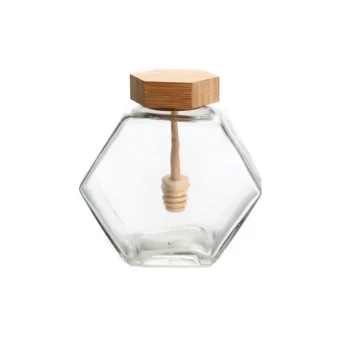
- Hexagonal Glass Honey Jar with Wooden Lid Integrated Dipper Elegant Functional Storage
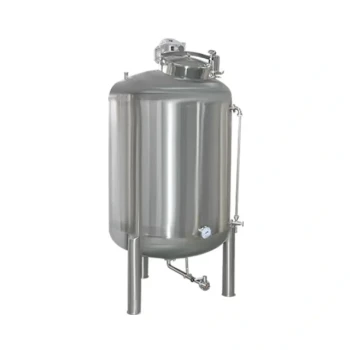
- Stainless Steel Honey Storage Tank with Lid for Honey
- Stainless Steel Honey Storage and Settling Tank with Double Strainer
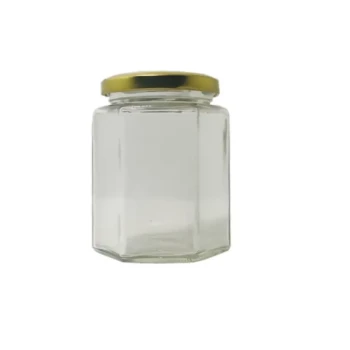
- Hexagonal Glass Honey Jars with Metal Lug Caps Elegant Versatile Packaging
- Professional Honey Storage Tank with Agitation System
People Also Ask
- What are the benefits of glass jars regarding strength and safety for storing honey? Ensure Purity and Long-Term Quality
- What are the advantages of using glass jars for honey storage? Ensure Purity and Premium Appeal for Your Product
- What is the aesthetic appeal of using glass jars for honey? Elevate Your Brand with Premium Packaging
- What are the advantages of glass containers for honey? Elevate Quality and Market Value with Premium Packaging
- What are the benefits of using high-transparency Glass Jars for honey? Elevate Purity and Premium Branding