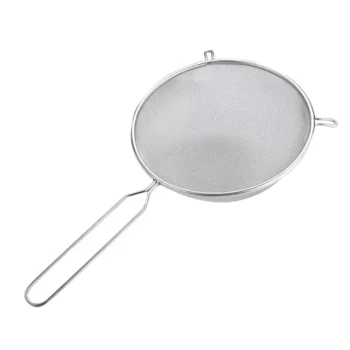
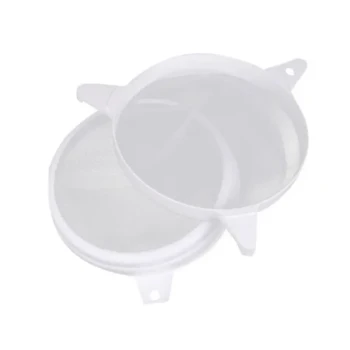
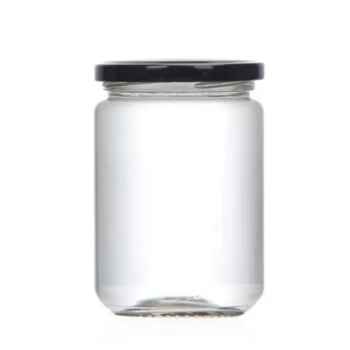
Industrial-grade sterile sampling containers and filter cloths serve as the fundamental safeguards for data integrity during honey analysis. Specifically, sterile containers are employed during collection to strictly isolate samples from environmental cross-contamination, ensuring that microbial detection results are authentic. During pre-treatment, filter cloths or de-fatted cotton function as physical separators, removing beeswax, bee fragments, and hive particles to guarantee the sample's clarity and compositional uniformity.
The rigorous application of these tools effectively bridges the gap between the uncontrolled environment of the apiary and the precision of the laboratory. By eliminating external biological interference and internal physical debris, they ensure that test data reflects the true sanitary and chemical status of the honey source.
The Critical Role of Sterile Containers (Collection)
Preventing Microbial Cross-Contamination
The primary function of an industrial-grade sterile container is to create a biological barrier. By providing a pre-sterilized environment, these vessels prevent the introduction of exogenous microorganisms from the air, soil, or handling equipment.
This isolation is critical for the accuracy of subsequent microbial detection. It ensures that quantitative analyses, such as total colony counts or yeast and mold levels, represent the indigenous load of the hive rather than secondary contamination.
Preserving Chemical and Biochemical Integrity
Beyond microbial barriers, these containers—often made of chemically inert materials like glass or high-grade polyethylene—prevent chemical reactions between the honey and the packaging. This stability protects sensitive biochemical markers, such as diastase activity and Hydroxymethylfurfural (HMF) levels.
A hermetic seal is equally vital in this function. By preventing moisture exchange and volatilization, the container preserves the honey’s specific sensory characteristics, including aroma and taste, which are essential for objective quality monitoring.
Enabling Accurate Transport and Storage
The container acts as the foundational unit for sample preservation during transport. When paired with temperature-controlled environments (such as 4°C to inhibit growth), the sterile container maintains the sample’s biological "snapshot" from the moment of collection.
The Function of Filter Cloths (Pre-treatment)
Physical Removal of Macroscopic Debris
In the laboratory pre-treatment stage, fine-mesh filter cloths and de-fatted cotton serve a mechanical purification function. They physically entrap and remove coarse impurities inherent to the extraction process.
Common contaminants removed during this phase include beeswax residues, fragments of bee bodies, and general hive particulate matter.
Ensuring Sample Homogeneity
The filtration process is a prerequisite for high-precision testing. By removing solid particulates that could cause inconsistent readings, filter cloths ensure the honey is compositionally uniform.
This uniformity results in high clarity, which is often necessary for optical or spectrophotometric analysis. It eliminates physical variables that could skew results regarding the honey's physicochemical properties.
Common Pitfalls and Trade-offs
The Risk of Over-Filtration
While removing debris is necessary for clarity, excessive filtration can inadvertently strip valuable markers. If the mesh is too fine, it may remove pollen grains essential for melissopalynology (pollen analysis), obscuring the geographical origin of the honey.
Sterility vs. Improper Storage
A sterile container cannot compensate for improper temperature management. Even in a sterile jar, indigenous microbes can multiply if the sample is exposed to heat; the container preserves the initial state, but external temperature control is required to pause biological activity.
Making the Right Choice for Your Goal
When establishing a sampling protocol, select your tools based on the specific analytical data you require.
- If your primary focus is Microbial Safety: Prioritize certified sterile containers with hermetic seals to prevent any secondary contamination that would invalidate sanitary metrics.
- If your primary focus is Physicochemical Analysis: Ensure the use of chemically inert containers (like polyethylene) and rigorous filtration with filter cloths to guarantee a homogeneous liquid phase free of interfering solids.
By strictly adhering to these equipment standards, you ensure that the laboratory results remain an objective and accurate representation of the apiary's production.
Summary Table:
| Tool | Primary Stage | Core Function | Impact on Data Accuracy |
|---|---|---|---|
| Sterile Containers | Collection & Storage | Prevents microbial cross-contamination and chemical reactions. | Ensures authentic microbial counts and preserves biochemical markers (HMF, diastase). |
| Filter Cloths | Pre-treatment | Removes macroscopic debris (beeswax, bee fragments, hive particles). | Guarantees sample clarity and compositional uniformity for optical analysis. |
| De-fatted Cotton | Pre-treatment | Fine mechanical purification and physical separation. | Eliminates physical variables that could skew physicochemical test results. |
Elevate Your Apiary’s Quality Control Standards with HONESTBEE
Maintaining the integrity of your honey samples is the first step toward securing global market trust. At HONESTBEE, we specialize in supporting commercial apiaries and distributors by providing the industrial-grade tools necessary for professional operations.
Our comprehensive wholesale portfolio includes:
- Advanced Machinery: From precision hive-making to automated honey-filling and processing lines.
- Specialized Equipment: High-performance filtration systems and sterile collection tools to ensure laboratory-grade purity.
- Essential Consumables: A full spectrum of beekeeping supplies and honey-themed cultural merchandise to enhance your brand.
Partner with HONESTBEE to streamline your production and guarantee the highest quality standards for your customers. Contact our export experts today to discuss your wholesale requirements!
References
- Fatimah Buba. Physicochemical and Microbiological Properties of Honey from North East Nigeria. DOI: 10.4172/2161-1009.1000142
This article is also based on technical information from HonestBee Knowledge Base .
Related Products
- Nylon Honey Strainer Square Filter Cloth for Honey Filters
- Professional Stainless Steel Honey Filter with Support Handle
- Conical Nylon Honey Strainer Filter Bag for Beekeeping and Honey Filtration
- Two-Stage Plastic Honey Filter for Buckets
- Premium Stainless Steel Honey Tank Bucket Pail with Reinforced Handle and Polished Finish
People Also Ask
- What is the significance of using professional filter cloths or sieves in honey processing? Ensure Purity and Quality
- What is the simple straining method for processing honey? A Cost-Effective Guide to Pure Extraction
- What cloth for straining honey? The Best Materials for Clean, High-Quality Honey
- What size mesh to strain honey? A Guide to the Standard Double-Sieve Method
- Why is specialized filter cloth preferred over the traditional squeezing method for wild honey? Achieve Higher Purity