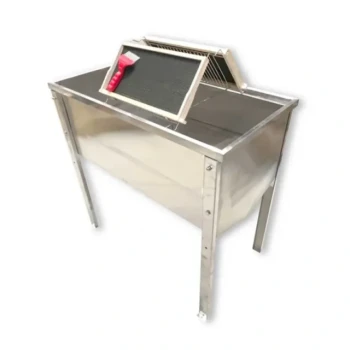
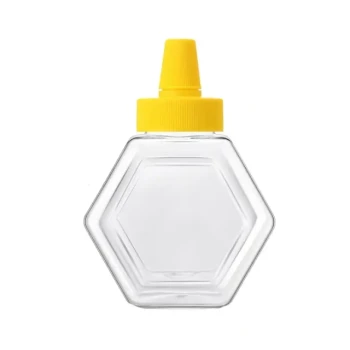
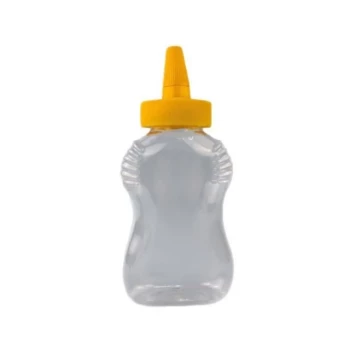
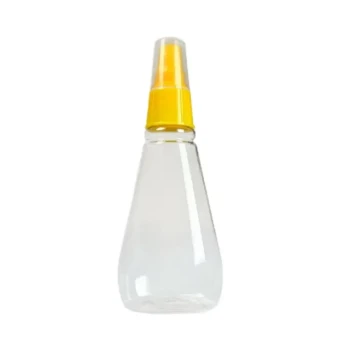
To ensure the physicochemical stability of honey samples, you must utilize high-sealing, light-shielded containers stored within precision temperature-controlled environments, specifically constant temperature incubators set to 4°C. This combination is essential to inhibit enzymatic degradation, prevent fermentation, and block moisture absorption that would otherwise skew laboratory analysis or degrade quality.
Core Takeaway The preservation of honey is a battle against heat, light, and moisture. By strictly controlling the storage environment at 4°C in light-proof, sterile vessels, you lock in the honey’s original botanical characteristics, ensuring that the chemical profile measured in the lab matches exactly what was collected in the field.
Container Specifications: The First Line of Defense
Material and Seal Integrity
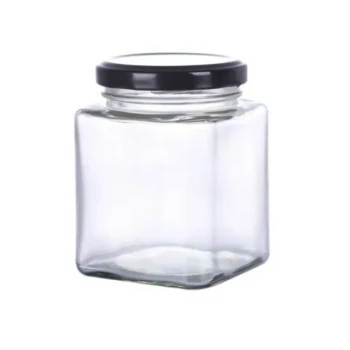
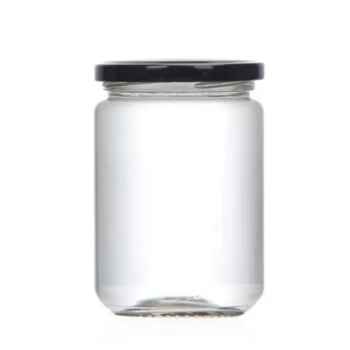
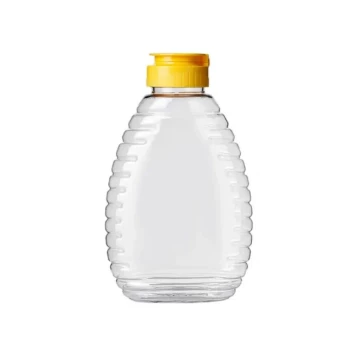
To prevent fluctuations in water content and the loss of volatile aromas, containers must be high-sealing. Whether utilizing glass or plastic, the seal must be airtight to stop the honey from absorbing atmospheric moisture (hygroscopy). This is critical for preventing the dilution of the sample and maintaining its original density and viscosity.
Light Shielding
Standard transparent jars are insufficient for analytical samples. You must use light-shielded containers to protect photosensitive components. Exposure to light accelerates the oxidative degradation of antioxidants and destabilizes sensitive enzymes like diastase, altering the chemical profile of the sample.
Sterility and Hygiene
Containers must undergo strict cleaning and sterilization processes before use, preferably using industrial-grade drying equipment. This ensures the vessel is sterile, odor-free, and dry. Eliminating contaminants is the only way to inhibit secondary fermentation by residual yeasts, which is a significant risk for high-moisture varieties like stingless bee honey.
Environmental Control Equipment
Precision Thermal Regulation
Standard refrigeration is often too fluctuating for strict analytical standards. You require 4°C constant temperature incubators. This precise thermal control effectively halts the activity of heat-sensitive enzymes and inhibits the chemical reactions that lead to spoilage, preserving the honey's freshness and biological activity.
Automated Processing Control
During the transfer of honey into storage containers, automated filling and capping equipment should be used to minimize air exposure. Reducing the time honey spends in contact with the open environment significantly lowers the risk of immediate moisture uptake and oxidation before the seal is even applied.
Common Pitfalls to Avoid
The Moisture-Fermentation Loop
A failure to secure an airtight seal or adequate sterilization creates a compounded failure mode. If moisture enters the container, it dilutes the sugars; if the container was not sterile, dormant yeasts activate in this diluted environment. This leads to rapid fermentation, rendering the sample useless for physicochemical analysis.
The Enzyme-Temperature Correlation
Ignoring strict temperature control is the primary cause of data skewing regarding honey age and quality. Enzymes like diastase are used as indicators of freshness. If the storage temperature fluctuates or exceeds 4°C, these enzymes degrade naturally, causing the sample to appear "older" or heat-damaged during analysis, even if it was fresh upon collection.
Making the Right Choice for Your Goal
Selecting the right storage protocol depends on whether you are prioritizing commercial shelf life or analytical precision.
- If your primary focus is Laboratory Analysis: Prioritize 4°C constant temperature incubators and light-shielded vessels to freeze the enzymatic and antioxidant profile exactly as it was at the time of collection.
- If your primary focus is Commercial Shelf Life: Focus on sterile, airtight packaging and automated filling to prevent fermentation and preserve volatile aromas for the consumer.
Ultimately, the integrity of your data relies entirely on the stability of your environment; control the variable of storage, and you ensure the accuracy of your results.
Summary Table:
| Storage Factor | Requirement | Impact on Stability |
|---|---|---|
| Temperature | 4°C Constant Incubator | Inhibits enzymatic degradation and spoilage. |
| Light Control | Light-shielded Containers | Prevents oxidative degradation of antioxidants. |
| Seal Integrity | High-sealing/Airtight | Blocks moisture absorption (hygroscopy) and aroma loss. |
| Sterility | Industrial-grade Sterilization | Eliminates secondary fermentation by residual yeasts. |
| Processing | Automated Filling | Minimizes air exposure and oxidation during transfer. |
Elevate Your Honey Quality with HONESTBEE
Maintaining the physicochemical stability of honey requires professional-grade equipment. At HONESTBEE, we empower commercial apiaries and distributors with the tools needed for excellence. Whether you require precision honey-filling machines to minimize oxidation or high-quality beekeeping tools and machinery to optimize your production line, we have the comprehensive wholesale solutions for you.
From specialized hardware to essential industry consumables and honey-themed cultural merchandise, we provide everything needed to protect your product's integrity. Contact us today to discover how our expert solutions can enhance your laboratory precision and commercial shelf life!
References
- Sonia Harbane, M. Carmen Seijo. The Contribution of Botanical Origin to the Physicochemical and Antioxidant Properties of Algerian Honeys. DOI: 10.3390/foods13040573
This article is also based on technical information from HonestBee Knowledge Base .
Related Products
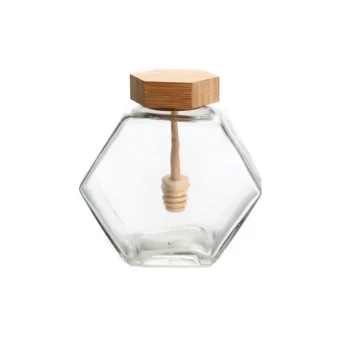
- Hexagonal Glass Honey Jar with Wooden Lid Integrated Dipper Elegant Functional Storage
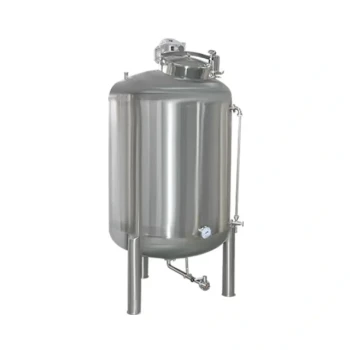
- Stainless Steel Honey Storage Tank with Lid for Honey
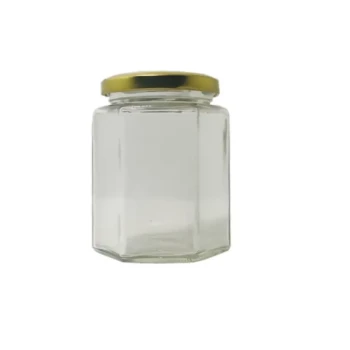
- Hexagonal Glass Honey Jars with Metal Lug Caps Elegant Versatile Packaging
- Stainless Steel Honey Storage and Settling Tank with Double Strainer
- Classic Glass Honey Jar with Metal Lug Cap for Beehive Storage
People Also Ask
- What are the benefits of glass jars regarding strength and safety for storing honey? Ensure Purity and Long-Term Quality
- What are the advantages of using glass jars for honey storage? Ensure Purity and Premium Appeal for Your Product
- What is the aesthetic appeal of using glass jars for honey? Elevate Your Brand with Premium Packaging
- What are the advantages of glass containers for honey? Elevate Quality and Market Value with Premium Packaging
- What are the benefits of using high-transparency Glass Jars for honey? Elevate Purity and Premium Branding