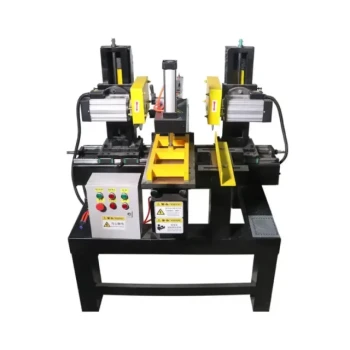
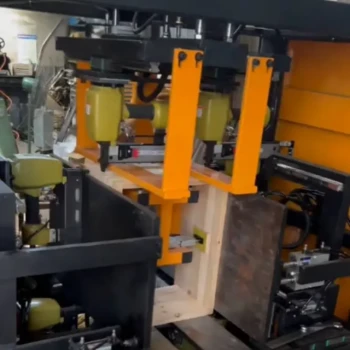
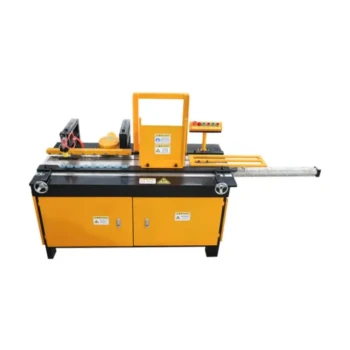
High-precision hive-making machinery fundamentally transforms migratory beekeeping by producing hives with exacting standardized dimensions and superior structural integrity. Structurally, this precision ensures airtightness and impact resistance, protecting the colony’s microclimate during transit. Operationally, it is the prerequisite for mechanized logistics, allowing for efficient stacking, loading, and the seamless integration of automated management tools.
Core Takeaway Precision manufacturing acts as the bridge between biological needs and industrial logistics. By eliminating dimensional variance, you convert the beehive from a variable craft object into a standardized shipping unit, ensuring colony survival during high-stress transport while unlocking the speed of mechanized handling.
The Structural Foundation of Migratory Resilience
Absolute Dimensional Consistency
High-precision machinery produces components that are identical down to the millimeter. In a migratory context, this standardization is critical for stability.
When hives are stacked several tiers high on a truck, even minor variations in woodenware can cause dangerous wobbling or structural failure. Uniform dimensions ensure that hives interlock perfectly, creating a solid, cohesive unit that can withstand the vibrations and G-forces of long-distance travel.
Optimizing the Colony Microclimate
A major risk in migratory beekeeping is environmental stress caused by moving colonies between different climatic zones. Precision-milled components fit together tightly, ensuring superior airtightness.
This eliminates unplanned drafts and thermal leaks. Consequently, the colony can maintain its internal temperature and humidity with less energy expenditure, reducing biological stress during relocation and helping bees adapt quickly to new environments.
Adherence to Biological "Bee Space"
Beyond the outer shell, precision machinery ensures that frames and internal components adhere strictly to "bee space" biology (the precise gap bees leave between combs).
Manual or low-precision manufacturing often violates these tolerances, leading to burr comb (unwanted wax bridges). Precision manufacturing respects this biological constant, reducing colony stress and preventing mechanical damage to the bees during the jarring movements of transport.
Operational Advantages for Industrial Scale
Enabling Mechanized Logistics
The primary operational bottleneck in migratory beekeeping is the physical loading and unloading of thousands of hives. Uniform specifications are the key enabler for mechanization.
Because every hive has the exact same footprint and center of gravity, operators can use forklifts, pallets, and automated loaders with confidence. This drastically reduces the time colonies spend in transit and minimizes the physical labor required, increasing the overall efficiency of rotating colonies between pollination sites.
Component Interchangeability and Maintenance
In a large-scale operation, equipment damage is inevitable. High-precision manufacturing guarantees 100% interchangeability.
If a hive body cracks or a bottom board breaks, it can be immediately replaced with a spare from inventory without any custom fitting or carpentry. This modularity streamlines maintenance and ensures that equipment downtime does not hinder the migration schedule.
Future-Proofing for Smart Hardware
Modern beekeeping increasingly relies on data. Standardized hives provide uniform interfaces for integrating smart hardware, such as digital monitoring sensors and automated extraction equipment.
Precision machinery ensures that these expensive electronic add-ons fit securely and function correctly across every hive in the apiary. This integration helps reduce operational costs by automating data collection regarding colony health and honey production.
Understanding the Trade-offs
High Initial Capital Expenditure
Transitioning to high-precision equipment usually requires a significant upfront investment. Whether you are purchasing the machinery to manufacture your own hives or buying premium precision-milled woodenware, the cost is higher than traditional, lower-tolerance options.
Rigidity of Standardization
Once you commit to a specific precision standard, you are structurally "locked in." Modifying the design later is difficult because new components must remain compatible with the massive backlog of existing equipment. This requires careful initial planning to ensure the chosen dimensions meet long-term operational needs.
Making the Right Choice for Your Goal
To maximize the value of high-precision hive machinery, align your equipment choice with your specific operational focus:
- If your primary focus is Logistics and Scale: Prioritize machinery that produces hives with reinforced corners and exact external dimensions to maximize forklift efficiency and stacking stability.
- If your primary focus is Colony Health: Ensure the machinery is calibrated to produce tight-tolerance joints for maximum airtightness and precise internal "bee space" to reduce biological stress.
- If your primary focus is Modernization and Data: Select equipment standards that offer pre-configured compatibility with smart sensors and automated extraction lines to lower future integration costs.
Precision in manufacturing is not just about aesthetics; it is the infrastructure that allows a beekeeping operation to scale without sacrificing colony welfare.
Summary Table:
| Advantage Category | Key Feature | Impact on Migratory Beekeeping |
|---|---|---|
| Structural | Dimensional Consistency | Ensures stable, wobble-free stacking for long-distance transport. |
| Biological | Precise Bee Space | Minimizes burr comb and reduces colony stress during movement. |
| Operational | Total Interchangeability | Allows for rapid maintenance and modular replacement of parts. |
| Logistics | Mechanization Ready | Enables the use of forklifts and automated loaders for scale. |
| Future-Tech | Smart Integration | Provides uniform interfaces for digital sensors and monitoring. |
Scale Your Apiary with Industrial Precision
Transitioning to high-precision migratory beekeeping requires more than just tools—it requires a partner who understands the demands of industrial-scale logistics. HONESTBEE specializes in empowering commercial apiaries and distributors with the hardware necessary to succeed.
Our Value to You:
- Comprehensive Equipment Portfolio: From precision hive-making machinery to honey-filling lines.
- Wholesale Solutions: A full spectrum of beekeeping tools and industry consumables tailored for scale.
- Operational Excellence: Standardize your woodenware to unlock faster loading times and healthier colonies.
Ready to modernize your operation and reduce transit-related losses? Contact our expert team today to explore our wholesale machinery and equipment solutions.
References
- Sarolta Meinhardt. Egyes méhlegelő növények vizsgálata méhészeti érték és természetvédelmi helyzet, valamint konfliktusok alapján. DOI: 10.56617/tl.3451
This article is also based on technical information from HonestBee Knowledge Base .
Related Products
- High-Efficiency Pneumatic Bee Hive Making Machine for Rapid Box Assembly
- Beehive Machine Double End Saw for Precision Hive Component Manufacturing
- Automatic High-Speed Bee Hive Box Stapling Machine
- HONESTBEE Professional Long Handled Hive Tool with Precision Cutting Blade
- Beehive Handle and Frame Rest Cutting Machine: Your Specialized Hive Machine
People Also Ask
- How does the introduction of professional beehive-making machinery benefit sustainable beekeeping? Scale Your Apiary
- Why is specialized beehive-making machinery critical for low-defense breeding? Enhance Selection with Precision Tools
- How does the introduction of specialized beehive making machinery contribute to increasing the scale of regional beekeeping industries?
- What is the importance of specialized beehive making machinery in a circular bio-economy? Build Local Sustainability
- Why is specialized beehive-making machinery essential? Scale Your Apiary with Precision Industrial Standards