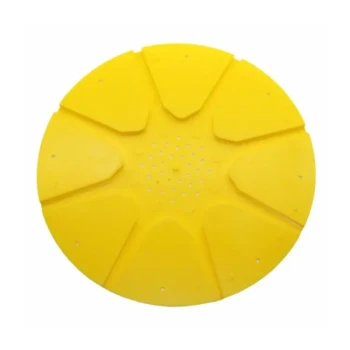
The primary technical advantage of formic acid gel is its controlled-release mechanism. Unlike liquid sprays, which are prone to rapid, unregulated evaporation, the gel matrix stabilizes the release of the active ingredient. This prevents dangerous spikes in chemical concentration, significantly reducing the risk of acute toxicity to the colony while maintaining effectiveness over a longer period.
The core value of formic acid gel lies in its ability to flatten the evaporation curve. While liquid sprays often result in hazardous, instantaneous concentration spikes, gel matrices provide a stable release profile that balances effective pest control with the safety of the colony.
Regulating Chemical Volatility
The Instability of Liquid Sprays
Liquid spray applications rely on the direct evaporation of the medicinal solution. This method often leads to instantaneous high-concentration evaporation.
When applied, the liquid can create a sudden spike in vapor pressure. This rapid fluctuation makes it difficult to maintain the chemical within the "Goldilocks" zone—lethal to mites but safe for bees.
The Stability of the Gel Matrix
Formic acid gel functions as a physical regulator for the chemical. The gel matrix ensures a stable drug release curve rather than a sharp spike.
By controlling the rate at which the acid turns into vapor, the gel mitigates the impact of environmental variables. This results in a consistent therapeutic dose rather than a chaotic burst of exposure.
Enhancing Colony Safety
Reducing Acute Toxicity
The most critical safety advantage of gel is the reduction of acute toxicity risks. Because the evaporation is controlled, the bees are not subjected to overwhelming fumes immediately after application.
This protects the colony from the shock associated with high-concentration exposure. It effectively reduces the negative impact of concentration fluctuations on the overall health of the hive.
Protecting Vulnerable Hive Members
Localized high concentrations of formic acid vapor can be detrimental to the queen and developing brood. Liquid sprays, by nature of their rapid evaporation, increase the risk of these localized "hot spots."
Gel acts similarly to improved evaporation devices (like porous pads) by creating a buffer. This prevents dosage loss and minimizes the risk of queen injury or brood damage caused by sudden chemical surges.
Operational Efficiency
Extending the Control Cycle
Because the gel releases the active ingredient slowly, it extends the duration of the treatment. The control cycle is lengthened compared to the fleeting impact of a spray.
This allows the treatment to remain active in the hive for a sufficient period to target mites effectively without requiring frequent re-application.
Consistency of Dosage
While liquid mixing in syrup is used for feeding, treating mites requires vapor consistency in the air. Gel provides this consistency physically.
It ensures that the active ingredient remains within a therapeutic range for an extended period, avoiding the peaks and troughs associated with liquid surface evaporation.
Understanding the Trade-offs
Speed of Action vs. Safety
Liquid sprays provide immediate, direct contact with individual bees. As noted in supplementary data regarding general spraying, this can accelerate therapeutic effects and trigger mutual cleaning behavior.
However, for formic acid specifically, this speed comes at the cost of safety. The rapid evaporation that makes sprays "fast" is exactly what makes them toxic in this context. Gel sacrifices the speed of "instantaneous" contact for the safety of sustained, low-level release.
Making the Right Choice for Your Goal
To select the appropriate application method, you must weigh the urgency of treatment against the stability of the colony.
- If your primary focus is Colony Safety: Choose the gel matrix. It prevents lethal concentration spikes and protects the queen from acute toxicity.
- If your primary focus is Extended Control: Choose the gel matrix. It maintains a therapeutic vapor level over a longer duration, reducing the need for intervention.
- If your primary focus is Rapid Contact: Recognize that liquid sprays offer faster coverage but carry a significantly higher risk of overdose and colony stress due to volatility.
By prioritizing controlled release over rapid evaporation, you ensure a treatment environment that kills the pest without harming the host.
Summary Table:
| Feature | Formic Acid Gel | Liquid Sprays |
|---|---|---|
| Evaporation Rate | Controlled & Stable (Matrix-regulated) | Rapid & Unregulated (Instantaneous) |
| Risk of Toxicity | Low (Prevents concentration spikes) | High (Prone to acute toxic surges) |
| Colony Safety | High protection for Queen and brood | High risk of queen loss or brood damage |
| Control Duration | Long-term sustained release | Short-lived, immediate impact |
| Dose Consistency | Maintains therapeutic range | Significant fluctuations |
| Application Focus | Long-term health & safety | Rapid contact (High risk) |
Maximize Your Colony Health with HONESTBEE Solutions
As a dedicated partner to commercial apiaries and global distributors, HONESTBEE understands that precision is the key to sustainable beekeeping. Our comprehensive wholesale catalog offers the industry's most reliable solutions, from specialized formic acid application tools to advanced honey-filling machines and hive-making hardware.
Whether you are scaling up production or equipping a large-scale operation, we provide the full spectrum of beekeeping machinery, specialized tools, and essential consumables designed for efficiency and safety. Let us help you protect your investment and optimize your honey yields.
Ready to elevate your apiary's performance? Contact HONESTBEE Today to Discuss Your Wholesale Needs
References
- Adnan Ayan, Osman Selçuk Aldemir. Control Methods against Varroa Mites. DOI: 10.5281/zenodo.3548388
This article is also based on technical information from HonestBee Knowledge Base .
Related Products
- Adjustable Formic and Acetic Acid Dispenser for Bee Mite Treatment
- Compact Circular Bee Mite Treatment Dispenser
- Heavy Duty 12V Oxalic Acid Evaporator Vaporizer for Bee Varroa Mite Treatment Beekeeping Fumigator Atomizer
- 12V Bee Mite Removal Evaporator Oxalic Acid Vaporizer for Bee Fumigation Treatment 180W Atomization
- Galvanized Beekeeping Smoker for Honey Bee and Apiculture
People Also Ask
- How is the process regulation function of a Formic Acid Dispenser implemented? Achieve Safe, Effective Varroa Control
- Why is a specialized formic acid evaporator necessary? Ensure Safe & Effective Varroa Mite Treatment
- What role do Formic Acid Dispensers play in the biochemical control of Varroa mites? Precision Mite Management
- What is the primary function of a specialized evaporation dispenser? Master Formic Acid Varroa Control
- What is the function of specialized application devices for Varroa? Precision Control for Healthier Bee Colonies