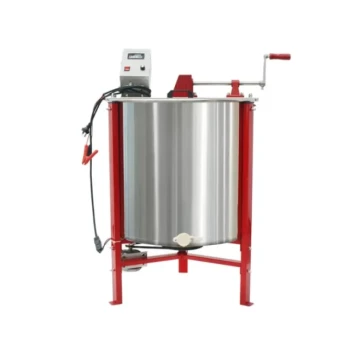
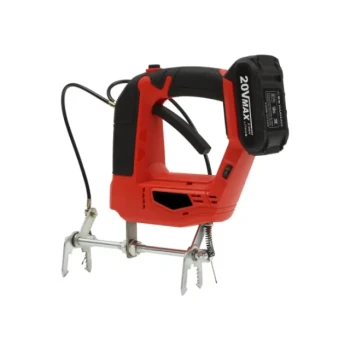
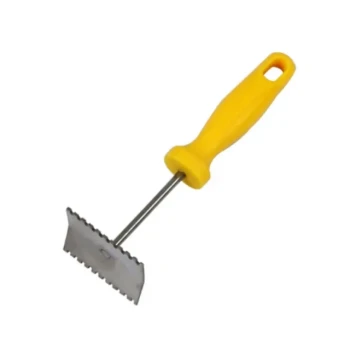
The adoption of specialized extraction tools represents a fundamental technical shift in stingless beekeeping, moving the industry from destructive harvesting to sustainable management. Unlike traditional methods that often involve crushing hive structures, specialized tools such as vacuum extractors allow for the removal of honey while leaving the colony's delicate architecture intact.
Core Takeaway Traditional harvesting often destroys the hive's internal structure, forcing bees to restart the building process after every harvest. Specialized tools preserve the honey pots and brood chambers, allowing the colony to conserve energy, drastically reducing recovery time and increasing annual honey production efficiency.
Preserving Biological Integrity
Protecting Cerumen Pots
Stingless bees do not store honey in hexagonal wax combs like European honeybees; they utilize specialized cerumen pots. Traditional harvesting often involves crushing these pots to release honey. Specialized tools, particularly small vacuum extractors and suction devices, allow you to puncture and drain these pots without destroying them.
Safeguarding the Brood Chamber
A critical technical advantage of modern extraction is the physical separation of harvest zones from reproduction zones. Modified hives and precision tools allow for the localization of honey stores without disturbing the brood chambers. This prevents accidental damage to larvae and the queen, which is a common risk in destructive "squeeze" harvesting.
Reducing Colony Stress
Harvesting is inherently traumatic for a colony. By using non-destructive opening devices and suction tools, you minimize the physical disruption to the nest. This significantly reduces the stress response of the bees, preventing the population drops often associated with the trauma of traditional harvesting methods.
Optimizing Production Efficiency
Energy Conservation
When honey pots are destroyed during harvest, the colony must expend significant metabolic energy and resources to secrete new wax and rebuild. By leaving the empty pots intact, specialized tools allow bees to skip the rebuilding phase. They can immediately begin cleaning and refilling the existing structures.
Shortened Recovery Intervals
Because the colony does not need to reconstruct the nest, the recovery period between harvests is drastically shortened. This technical efficiency transforms beekeeping from a once-a-year destructive event into a repeatable, cyclical process, significantly improving the annual yield per hive.
Scalability and Coordination
Non-destructive methods stabilize the colony population. This stability allows beekeepers to coordinate honey production with agricultural pollination services. A healthy, undisturbed colony is far more effective at pollination than one recovering from a destructive harvest.
Hygiene and Purity
Closed-Loop Extraction
Traditional methods often expose honey to external debris, pollen, and crushed bee parts. Specialized suction equipment operates as a closed system. This minimizes the honey's exposure to external contaminants, ensuring a cleaner end product suitable for medicinal or high-grade food markets.
Precise Targeting
Tools like sterile pipettes or fine-tip suction nozzles are essential for species with smaller pots, such as Heterotrigona itama. They allow for the precise extraction of ripe honey only, avoiding the contamination that occurs when unripe nectar pots are accidentally crushed alongside ripe ones.
Understanding the Trade-offs
Initial Complexity and Cost
While traditional methods require little more than a knife and a bucket, specialized extraction requires investment in vacuum pumps, suction reservoirs, and power sources. This introduces a barrier to entry regarding cost and technical know-how.
Maintenance and Sterilization
Using mechanical extractors introduces a new maintenance burden. All tubing, pumps, and reservoirs must be meticulously cleaned and sterilized between hives to prevent the spread of disease or fermentation. This requires a stricter sanitation protocol than traditional methods.
Making the Right Choice for Your Goal
- If your primary focus is Maximum Yield: Invest in vacuum extraction tools to eliminate the rebuilding phase, allowing for more frequent harvest cycles throughout the season.
- If your primary focus is Colony Health: Prioritize non-destructive opening devices to minimize stress and prevent larval mortality, ensuring long-term colony survival.
- If your primary focus is Product Quality: Use sterile suction equipment to create a closed harvesting loop, significantly reducing particulate contamination and fermentation risks.
By transitioning to specialized tools, you move from merely harvesting a resource to actively managing a sustainable, high-efficiency biological system.
Summary Table:
| Feature | Traditional Destructive Harvesting | Specialized Extraction Tools |
|---|---|---|
| Hive Structure | Crushed/Destroyed (Cerumen pots) | Preserved and Reusable |
| Colony Stress | High (High mortality/trauma) | Low (Minimal disturbance) |
| Recovery Time | Long (Weeks to months of rebuilding) | Short (Immediate refilling) |
| Honey Purity | High risk of debris/pollen contamination | Closed-loop (Clean/Hygienic) |
| Annual Yield | Low (Occasional harvests) | High (Cyclical, frequent harvests) |
Elevate Your Apiary with HONESTBEE
Transitioning from traditional methods to modern extraction requires the right partner. HONESTBEE supports commercial apiaries and distributors with high-performance honey-filling machines, specialized beekeeping tools, and essential consumables designed for efficiency. Whether you are scaling up production or seeking high-quality hardware for stingless bee management, our comprehensive wholesale solutions bring unmatched value to your business.
Ready to maximize your honey production? Contact us today to explore our full spectrum of professional beekeeping equipment!
References
- Prem José Vazhacharickal, G. Eswarappa. Possibility of Integrating Stingless Bees (Tetragonula iridipennis) into Urban and Peri-urban Agriculture and Urban Forest: Outlook Study from Bangalore-Silicon Valley of India. DOI: 10.20546/ijcmas.2020.912.315
This article is also based on technical information from HonestBee Knowledge Base .
Related Products
- Stainless Steel Manual 8 Frame Radial Honey Extractor Machine for Beehives
- 2 Frame Stainless Steel Manual Honey Spinner Extractor for Beekeeping
- HONESTBEE 72 Frame Industrial Electric Honey Extractor for Beekeeping
- HONESTBEE 3-Frame Manual Acrylic Honey Extractor
- HONESTBEE 6 Frame Three Use Electric Honey Extractor for Beekeeping
People Also Ask
- What types of beehive frames are compatible with honey extractor machines? Find the Perfect Match for Your Apiary
- Which type of honey extractor is generally more durable? Focus on Material & Build Quality for Longevity
- What are the key features and benefits of a stainless steel honey extractor? Upgrade to Professional Purity
- What is a manual honey extractor? The Essential Guide to Cost-Effective Beekeeping for Beginners
- Why are manual extractors popular among beginner beekeepers? A Guide to Starting Simple & Saving Money