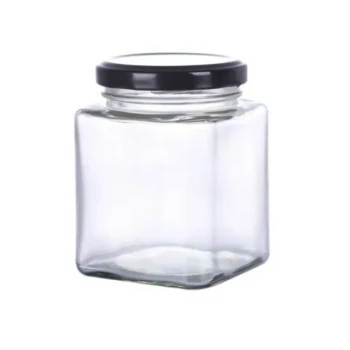
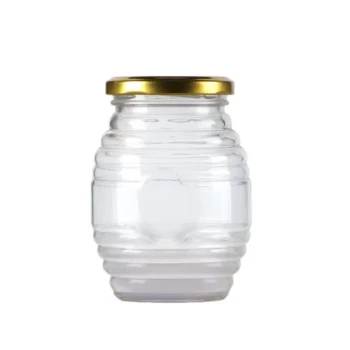
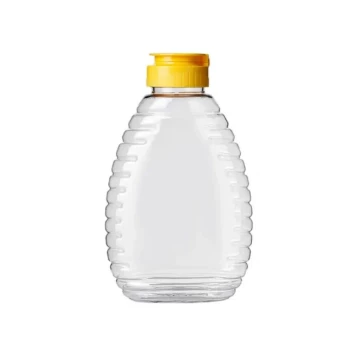
The technical superiority of glass for honey packaging lies in its unique combination of chemical inertness and absolute physical transparency. It offers a near-perfect barrier against environmental contaminants, ensuring the product's chemical composition remains unaltered while allowing for immediate visual verification of quality.
Core Takeaway Glass containers provide a non-porous, chemically stable environment that effectively locks out oxygen and moisture, preserving honey's natural aroma and preventing fermentation. Simultaneously, the material's high transparency serves as a critical diagnostic tool, allowing consumers and inspectors to assess color and texture without breaking the seal.
Chemical Stability and Preservation
Absolute Barrier Properties
Glass offers superior barrier properties compared to porous materials. It effectively prevents air penetration, which is the primary cause of oxidation in organic products. By locking out oxygen, glass ensures the honey retains its specific enzymatic properties and nutritional value over extended periods.
Preventing Contamination
Due to its non-porous nature, glass prevents odor contamination from the external environment. Honey is hygroscopic and can easily absorb ambient smells; glass creates an impermeable shield that protects the honey’s complex, natural aroma.
Moisture Control and Fermentation
The airtight sealing capability of glass is critical for controlling moisture levels. If honey absorbs moisture from the air, its water content rises, which can lead to fermentation and spoilage. Glass stabilizes the internal environment, significantly extending the shelf life of the product.
Chemical Inertness
Glass is chemically inert, meaning it will not react with the honey or leach chemicals into the product. This ensures that the flavor profile remains authentic and unadulterated, satisfying technical requirements for pure, natural food products.
Visual Assessment and Quality Control
Optical Transparency
The high transparency of glass allows for the direct visual inspection of the product. This is a technical advantage for quality control, as it allows for the assessment of clarity and color—key indicators of floral source and purity—without opening the container.
Monitoring Crystallization
Glass allows for the continuous assessment of the honey's crystallization state. While crystallization is a natural process, the ability to see the texture helps consumers distinguish between natural solidification and spoilage, lowering the barrier to purchase decision-making.
Understanding the Trade-offs
Fragility and Handling
The primary technical disadvantage of glass is its susceptibility to shattering. This requires specialized handling protocols and protective secondary packaging during transit to prevent loss of inventory.
Weight and Logistics
Glass is significantly heavier than plastic alternatives. This increases the gross weight of the final packaged unit, which has direct implications for logistics costs and carbon footprint during transportation.
Making the Right Choice for Your Goal
To determine if glass is the correct technical solution for your specific application, consider your primary objectives:
- If your primary focus is Long-Term Preservation: Prioritize glass for its airtight seal and moisture barrier to prevent fermentation and flavor degradation over time.
- If your primary focus is Market Positioning: Leverage the transparency and weight of glass to signal "premium quality" and allow consumers to visually verify product purity.
Glass remains the definitive material choice when the preservation of chemical integrity and sensory authenticity is the priority.
Summary Table:
| Feature | Technical Advantage | Impact on Honey Quality |
|---|---|---|
| Chemical Inertness | No leaching or chemical reactions | Preserves authentic flavor and purity |
| Absolute Barrier | Blocks oxygen and moisture entry | Prevents oxidation and fermentation |
| Non-porous Surface | Prevents external odor absorption | Protects honey's complex natural aroma |
| High Transparency | Allows visual inspection of color/clarity | Facilitates instant quality verification |
| Airtight Sealing | Maintains stable internal environment | Significantly extends product shelf life |
Elevate Your Honey Production with HONESTBEE
At HONESTBEE, we understand that high-quality honey deserves premium packaging and expert handling. As a leading partner for commercial apiaries and distributors, we provide a comprehensive wholesale range of beekeeping tools, specialized machinery, and essential consumables designed to protect your product's integrity.
From advanced honey-filling machines optimized for glass packaging to professional-grade hive-making hardware, we empower your business to deliver excellence. Contact us today to discover how our end-to-end equipment solutions and industry expertise can streamline your operations and enhance your market position.
References
- María Fernanda Miranda Salazar, Luis Antonio Velasco Matveev. Proposal for the Production and Marketing of Beekeeping Products. DOI: 10.18502/espoch.v2i2.11194
This article is also based on technical information from HonestBee Knowledge Base .
Related Products
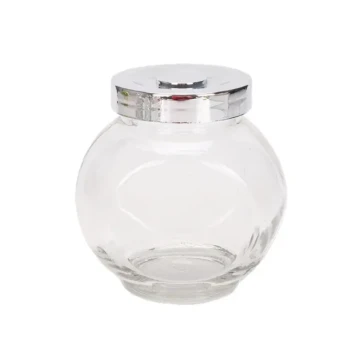
- Classic Drum Shaped Glass Honey Jar with Airtight Lid
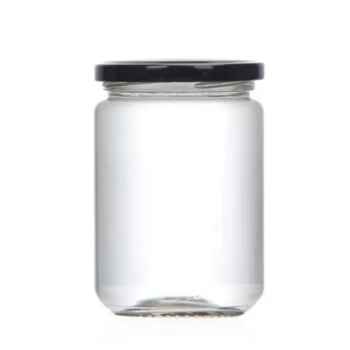
- Classic Round Glass Honey Jar with Lid
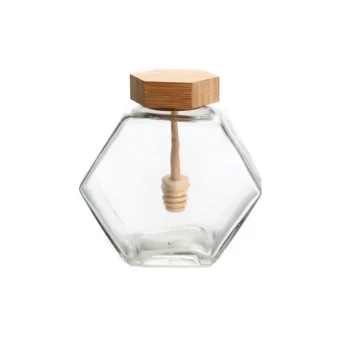
- Hexagonal Glass Honey Jar with Wooden Lid Integrated Dipper Elegant Functional Storage
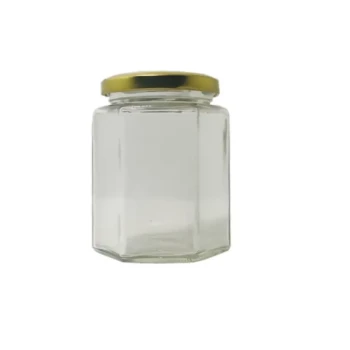
- Hexagonal Glass Honey Jars with Metal Lug Caps Elegant Versatile Packaging
- Modern Square Glass Honey Jar with Twist Off Lid
People Also Ask
- What is the best utensil to store honey? Preserve Purity with the Right Container
- How does the appearance of glass jar packaging affect the sales and perception of honey? Boost Your Premium Brand Value
- Why is a glass jar preferred for packaging honey? Ultimate Protection for Purity & Flavor
- What is the aesthetic appeal of using glass jars for honey? Elevate Your Brand with Premium Packaging
- What are the advantages of glass containers for honey? Elevate Quality and Market Value with Premium Packaging