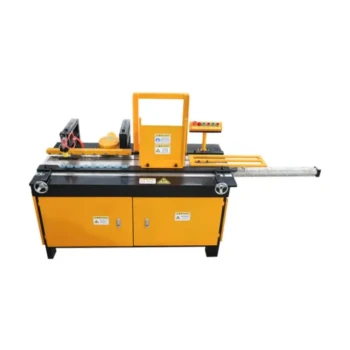
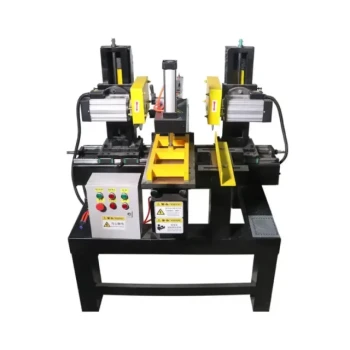
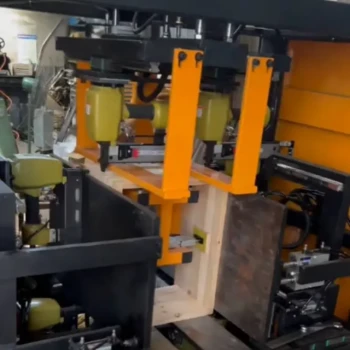
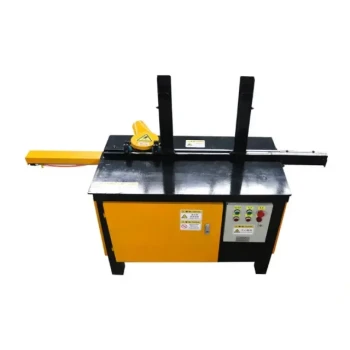
Industrial-grade hive-making machinery provides the technical advantage of producing standardized, precision-engineered hives with consistent material thickness and tight joinery. In extreme desert climates, this precision creates superior thermal insulation, which stabilizes the hive's internal microclimate against severe temperature fluctuations and significantly lowers colony mortality rates.
Core Takeaway: The primary value of industrial machinery in this context is biological stability through mechanical precision. By ensuring exact dimensions and seals, these machines create a thermal barrier that drastically reduces the energy bees must expend on cooling, directly increasing survival rates and productivity.
Optimizing Thermal Performance in Extreme Heat
The Role of Precision Joinery
Industrial machinery operates with tolerances that manual construction often misses. This results in precise joinery that eliminates gaps where hot air could intrude or internal humidity could escape.
In desert environments, even small structural gaps can compromise the hive's internal atmosphere. Machine-cut joints ensure an airtight seal, acting as the first line of defense against external environmental stress.
Consistent Material Thickness
Manual planing can result in uneven wood thickness, creating "thermal bridges" where heat penetrates the hive wall easily. Industrial machinery ensures uniform material thickness across every component.
This consistency allows the hive to function as a reliable insulator. It creates a stable barrier that isolates the colony from the scorching midday heat common in desert regions.
Energy Conservation for the Colony
When a hive is poorly insulated, bees must devote massive amounts of energy to "fanning"—physically circulating air to cool the brood.
High-precision hives reduce this thermal load, lowering the energy consumption required for cooling. This allows the colony to redirect that energy toward foraging, pollination, and honey production, rather than mere survival.
Operational Standardization and Scalability
Maintaining Critical "Bee Space"
The biological requirements of honey bees (Apis mellifera) dictate a precise gap known as "bee space" for movement. Specialized machinery ensures this dimension is maintained exactly in every unit produced.
If this space is inaccurate due to manual error, bees will fill gaps with propolis or burr comb. Precision manufacturing eliminates this issue, improving colony health and easing management.
Equipment Interchangeability
For large-scale commercial apiaries, the ability to swap components between hives is vital. Industrial machinery guarantees standardized structures where frames and boxes are 100% interchangeable.
This interchangeability streamlines maintenance and reduces equipment replacement costs. It ensures that infrastructure management does not become a bottleneck as the operation expands.
Supply Chain Independence
Utilizing Local Materials
Specialized machinery allows operators to process local materials tailored to the specific climate. Instead of importing generic hives, beekeepers can manufacture units using wood or composites best suited for their specific desert region.
Supporting a Circular Economy
Owning the "foundational hardware" for production reduces dependence on external resources. This enables a self-sufficient supply chain, reducing procurement costs and insulating the business from supply disruptions.
Understanding the Trade-offs
High Initial Capital Expenditure
While the long-term efficiency is high, the upfront cost of industrial-grade machinery is significant. It requires a capital investment that may not be justifiable for small, hobbyist operations.
Technical Skill Requirements
Operating high-precision woodworking equipment requires specialized training. You are no longer just a beekeeper; you must also manage a production line, requiring skills in machine maintenance and safety that differ vastly from apiary management.
Making the Right Choice for Your Goal
To determine if this technology aligns with your operation, consider your primary objectives:
- If your primary focus is Colony Survival: Prioritize machinery that guarantees consistent wall thickness to maximize thermal insulation and reduce heat stress.
- If your primary focus is Operational Scale: Focus on machinery that ensures strict standardization and interchangeability to reduce labor and maintenance costs.
By leveraging industrial precision, you transform the hive from a simple wooden box into a sophisticated life-support system capable of withstanding the harshest desert extremes.
Summary Table:
| Technical Feature | Benefit in Desert Climates | Operational Impact |
|---|---|---|
| Precision Joinery | Eliminates gaps/heat intrusion | Stabilizes internal microclimate |
| Uniform Thickness | Prevents thermal bridges | Superior insulation against heat |
| Standardized Bee Space | Reduces burr comb and propolis | Improved colony health & management |
| Interchangeable Parts | 100% component compatibility | Streamlined maintenance & scaling |
| Energy Conservation | Reduced cooling energy (fanning) | Increased honey & wax production |
Elevate Your Apiary Infrastructure with HONESTBEE
Facing the challenges of extreme climates requires precision-engineered solutions. HONESTBEE specializes in empowering commercial apiaries and distributors with the high-performance hardware needed to thrive. From industrial-grade hive-making machines that guarantee thermal stability to advanced honey-filling equipment and a full spectrum of beekeeping tools, we provide the foundational technology for your success.
Why partner with HONESTBEE?
- Scalability: Standardize your production with our comprehensive wholesale machinery.
- Durability: Equipment designed to handle local materials and harsh environmental conditions.
- Expertise: We supply everything from specialized hardware to honey-themed cultural merchandise.
Ready to transform your production line and secure your colony’s future? Contact our technical team today to discuss your wholesale requirements.
References
- Ahmed Gawad, Mohamed F. M. Zawrah. First Survey of Nectar and Pollen Sources for Honeybees in Matrouh Province of West Northern Egypt. DOI: 10.21608/jppp.2022.131859.1065
This article is also based on technical information from HonestBee Knowledge Base .
Related Products
- High-Efficiency Pneumatic Bee Hive Making Machine for Rapid Box Assembly
- Beehive Handle and Frame Rest Cutting Machine: Your Specialized Hive Machine
- Beehive Machine Double End Saw for Precision Hive Component Manufacturing
- Automatic High-Speed Bee Hive Box Stapling Machine
- Mini Desktop Bee Hive Frame Forming Making Machine
People Also Ask
- How does the introduction of professional beehive-making machinery benefit sustainable beekeeping? Scale Your Apiary
- Why is specialized beehive-making machinery critical for low-defense breeding? Enhance Selection with Precision Tools
- How does the introduction of specialized beehive making machinery contribute to increasing the scale of regional beekeeping industries?
- What is the importance of specialized beehive making machinery in a circular bio-economy? Build Local Sustainability
- Why is specialized beehive-making machinery essential? Scale Your Apiary with Precision Industrial Standards