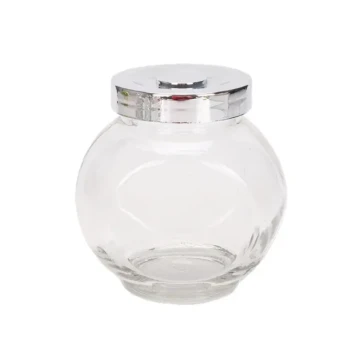
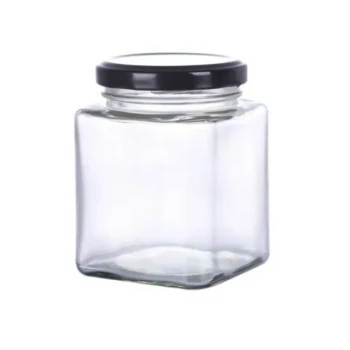
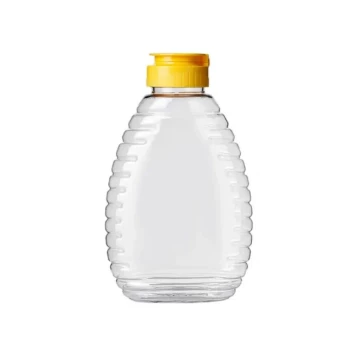
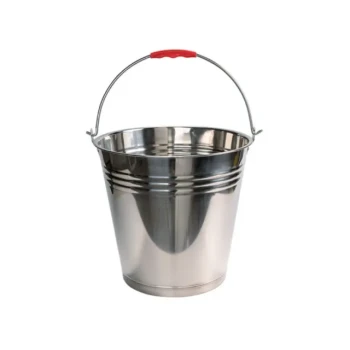
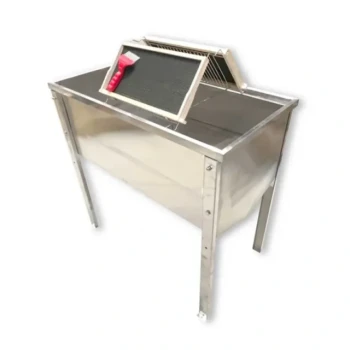
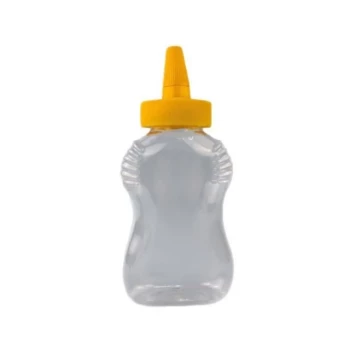
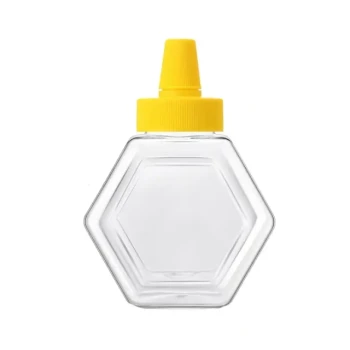
The technical superiority of modern metal and plastic containers lies in their ability to create an airtight seal. Unlike traditional clay pots, these materials provide an impermeable barrier that prevents honey from absorbing atmospheric moisture and odors, which is the primary cause of fermentation and flavor degradation.
The transition from porous clay to industrial-grade modern materials addresses honey’s two biggest vulnerabilities: hygroscopy (moisture absorption) and physical fragility. By creating an airtight and chemically stable environment, modern containers preserve flavor profiles and extend shelf life significantly.
The Critical Role of Moisture Control
Combating Hygroscopy
Honey is naturally hygroscopic, meaning it actively attracts and holds water molecules from the surrounding environment. If the moisture content rises too high, naturally occurring yeast in the honey will trigger fermentation, causing the product to sour.
Eliminating Porosity
Traditional earthen pots possess a microporous structure that allows air and humidity to seep through the container walls. Modern industrial-grade plastic and metal containers are non-porous, effectively locking out moisture to maintain the honey's original viscosity and stability.
Preventing Flavor Contamination
The same seal that blocks moisture also prevents the absorption of foreign odors. While clay pots can allow external scents to permeate the honey, modern tight-sealing lids isolate the product, ensuring the natural flavor profile remains unaltered.
Chemical Stability and Material Integrity
Chemical Inertness
High-quality food-grade plastic containers are chemically inert. This is crucial because honey acts as a mild acid; it typically does not react with food-grade plastic, preventing the migration of ions that could alter the taste or safety of the product.
Avoiding Physicochemical Alterations
Clay pots are known to alter the appearance, color, and flavor of honey over time due to their thermodynamic properties. Modern containers maintain the honey's physicochemical properties, ensuring the product looks and tastes the same after a year of storage as it did on day one.
Logistics and Physical Durability
Impact Resistance
Traditional clay and gourd containers are inherently fragile and heavy, posing significant risks during transport over rugged terrain. Modern plastic containers are lightweight and impact-resistant, virtually eliminating product loss due to breakage during logistics.
Transport Efficiency
The uniform shape and reduced weight of modern containers allow for more efficient stacking and shipping. This solves the practical limitations of hand-woven or ceramic vessels, which are often irregular and cumbersome to secure.
Understanding the Trade-offs
The Risk of Metal Corrosion
While the primary reference notes the benefits of metal, you must exercise caution regarding the type of metal used. Honey is acidic and can react with non-inert metal surfaces (such as iron or low-grade steel) over long periods.
Metal Ion Migration
Long-term contact with improper metal containers can lead to corrosion and rust. This not only contaminates the honey with metal ions but also degrades its flavor. Therefore, if choosing metal, it is imperative to use industrial-grade, coated, or stainless steel varieties designed specifically for food storage.
Making the Right Choice for Your Goal
When selecting between modern plastic and metal options to replace clay, consider your specific operational needs:
- If your primary focus is long-term chemical purity: Prioritize food-grade plastic, as it is chemically inert and completely immune to the acid corrosion risks associated with metal.
- If your primary focus is rugged logistics: Choose high-density industrial plastic, which offers the best balance of lightweight handling and high impact resistance.
- If your primary focus is using metal containers: Ensure the vessels are lined or made of food-grade stainless steel to prevent the honey's acidity from degrading the container walls.
Modernizing your storage infrastructure is the single most effective step you can take to prevent fermentation and protect the commercial value of your harvest.
Summary Table:
| Feature | Traditional Clay Pots | Modern Metal/Plastic Containers |
|---|---|---|
| Material Porosity | Microporous (leads to moisture absorption) | Non-porous (prevents fermentation) |
| Moisture Control | Poor; high risk of honey hygroscopy | Excellent; creates an airtight seal |
| Durability | High fragility and heavy weight | Lightweight and impact-resistant |
| Chemical Stability | Can alter color and flavor profiles | Chemically inert; maintains purity |
| Logistics | Difficult to stack and transport | Uniform shape; optimized for shipping |
Maximize Your Honey Quality with HONESTBEE Professional Storage Solutions
Protect your harvest from fermentation and flavor loss by upgrading to industrial-grade storage infrastructure. HONESTBEE specializes in serving commercial apiaries and distributors with a complete range of beekeeping equipment. From high-capacity honey-filling machines to durable, food-grade storage vessels, we provide the tools you need to maintain product integrity and operational efficiency.
Our value to your business:
- Comprehensive Wholesale Offering: A one-stop shop for all beekeeping machinery and consumables.
- Industrial Durability: Equipment designed to withstand the rigors of commercial honey production.
- Specialized Expertise: Tailored solutions for scaling apiary operations and honey distribution.
Ready to modernize your honey production? Contact us today to explore our wholesale catalog!
References
- Kinati Chala, Kebede Debele. Assessment of Honey Production and Marketing System in Gomma District, South Western Ethiopia. DOI: 10.15580/gjbms.2013.3.09071257
This article is also based on technical information from HonestBee Knowledge Base .
Related Products
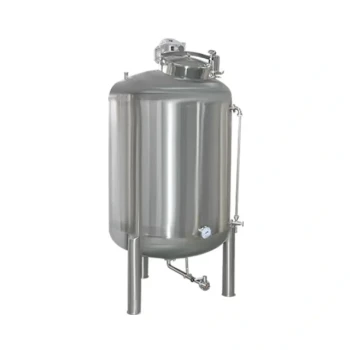
- Stainless Steel Honey Storage Tank with Lid for Honey
- Stainless Steel Honey Storage and Settling Tank with Double Strainer
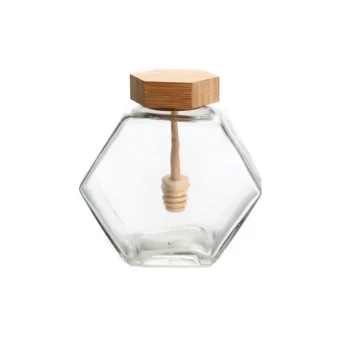
- Hexagonal Glass Honey Jar with Wooden Lid Integrated Dipper Elegant Functional Storage
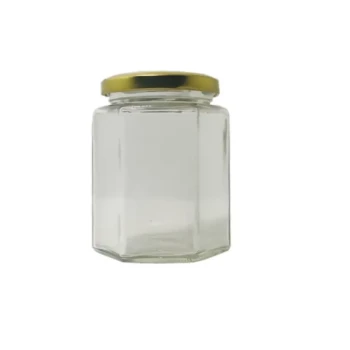
- Hexagonal Glass Honey Jars with Metal Lug Caps Elegant Versatile Packaging
- Professional Honey Storage Tank with Agitation System
People Also Ask
- What economic role do honey storage tanks play? Boost Your Revenue Through Strategic Inventory Management
- What roles do industrial honey storage tanks and filtration meshes play in processing? Ensure Purity & Consistency
- What is the purpose of a honey storage tank? Streamline Your Honey Processing for Quality & Efficiency
- What are honey storage tanks used for? Essential Features for Quality Preservation and Profit
- How do large honey storage tanks and gravity fall filling systems improve honey packaging efficiency and safety?