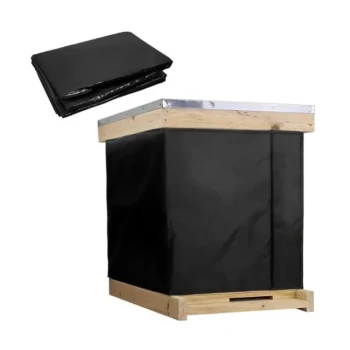
The primary technical advantage of Thermo-Special Beehives lies in their superior thermal management capabilities compared to the uninsulated structures of traditional or primitive hives. By maintaining a stable internal temperature, these hives significantly reduce the colony's need to expend energy on thermoregulation, directly freeing up biological resources for increased foraging and nectar collection.
Core Takeaway Thermo-Special Beehives essentially function as energy conservation systems for the colony. By minimizing the "metabolic tax" of heating and cooling the hive, they allow the colony to redirect labor and energy toward honey production, resulting in higher yields and more efficient resource utilization.
The Thermodynamics of Honey Production
The most critical difference between Thermo-Special hives and primitive vessels is how they manage the colony's energy budget.
Minimizing Metabolic Waste
In traditional hives, bees are often exposed to extreme weather fluctuations. They must consume honey and expend metabolic energy specifically to heat or cool the brood nest.
Thermo-Special Beehives mitigate this by providing optimized insulation. This prevents the colony from burning through its resources just to survive ambient temperature changes.
Redistributing Colony Labor
When a colony is thermally stressed, a significant portion of the workforce must stay inside to generate heat or fan the hive for cooling.
By stabilizing the environment, Thermo-Special hives release these "house bees" from climate control duties. This increases the available workforce for foraging, directly correlating to higher nectar intake.
Structural and Management Efficiencies
While thermal regulation is the distinguishing feature of Thermo-Special hives, they also leverage the structural advantages inherent in modern hive design.
Optimized Storage Capacity
Traditional hives often suffer from restricted volume, capping the amount of honey a colony can store.
Thermo-Special and modern frame hives utilize standardized designs that maximize storage space. This structural efficiency prevents the colony from becoming honey-bound, encouraging continuous production.
Quantifiable Yield Increases
The impact of moving from primitive to modern, managed systems is statistically significant.
Data indicates that modern hive systems can yield up to 22 to 23 kilograms of honey annually per hive. In contrast, traditional hives typically yield approximately 9 to 10 kilograms, highlighting the efficiency gap caused by poor thermal and spatial management.
Reduced Colony Stress
Primitive hives often require destructive harvesting methods that stress the colony and damage its structure.
Advanced hives allow for non-invasive inspections and frame manipulation. This maintains colony cohesion and health, ensuring that energy is spent on production rather than repairing the hive after a harvest.
Understanding the Trade-offs
While Thermo-Special and modern hives offer superior yields, they introduce complexities that primitive hives do not.
Increased Management Intensity
Primitive hives are often "hands-off" until harvest, requiring little intervention.
Thermo-Special and modern systems require intensive management. To achieve high yields, beekeepers must perform regular inspections, frame manipulations, and disease monitoring.
Equipment Dependency
Traditional beekeeping often utilizes locally sourced, simple materials.
Advanced hives rely on standardized, industrial-grade components. This increases the initial investment and creates a dependency on specific manufactured parts (frames, boxes, thermal covers) to function correctly.
Making the Right Choice for Your Goal
The decision to adopt Thermo-Special technology depends on your specific production objectives.
- If your primary focus is Maximum Yield: Invest in Thermo-Special hives to minimize bee energy loss and maximize the conversion of nectar into harvestable honey.
- If your primary focus is Low-Intervention Stewardship: Traditional or simple top-bar hives may be preferable, acknowledging that honey yields will be significantly lower due to thermal inefficiencies.
- If your primary focus is Scalability: Utilize standardized modern systems (including Thermo variants) to enable streamlined inspections and consistent harvest protocols.
Ultimately, Thermo-Special Beehives transform beekeeping from a passive collection activity into a high-efficiency production system by solving the fundamental problem of energy loss.
Summary Table:
| Feature | Traditional/Primitive Hives | Thermo-Special Beehives | Benefit of Thermo-Special |
|---|---|---|---|
| Thermal Insulation | Minimal / Uninsulated | High-performance insulation | Reduces colony metabolic energy tax |
| Annual Honey Yield | 9 - 10 kg per hive | 22 - 23 kg per hive | Over 100% increase in productivity |
| Labor Allocation | High % for temperature control | Majority for foraging | Increased nectar collection efficiency |
| Space Management | Restricted volume | Standardized, expandable | Prevents honey-bound colonies |
| Harvest Method | Often destructive | Non-invasive frame removal | Faster colony recovery and health |
Maximize Your Apiary's Output with HONESTBEE
Transitioning to high-efficiency production requires more than just a box; it requires the right industrial-grade equipment. At HONESTBEE, we empower commercial apiaries and distributors with the specialized tools needed to scale production and reduce colony stress.
Our comprehensive wholesale range includes:
- Advanced Beekeeping Machinery: From precision hive-making to high-speed honey-filling machines.
- Premium Tools & Equipment: Standardized hardware designed for thermal efficiency and durability.
- Industry Consumables & Merchandise: A full spectrum of supplies to support every stage of your honey business.
Whether you are upgrading a commercial operation or stocking a distribution network, our expertise in high-yield beekeeping systems ensures your success. Contact HONESTBEE today to discuss your wholesale needs!
References
- Ahmet Albayrak, Raif Bayır. Development of intelligent decision support system using fuzzy cognitive maps for migratory beekeepers. DOI: 10.3906/elk-1610-324
This article is also based on technical information from HonestBee Knowledge Base .
Related Products
- Professional Insulated Winter Hive Wrap for Beekeeping
- Professional Insulated Plastic Bee Hives
- Stainless Steel Bee Hive Smoker Beekeeping Smoker for Wholesale
- Inner Beehive Cover for Beekeeping Bee Hive Inner Cover
- Stainless Steel Round Beehive Air Vents for Ventilation
People Also Ask
- What are the steps to properly wrap a beehive for winter? Ensure Your Colony Survives the Cold
- When is the best time to wrap a beehive for winter? A Guide to Perfect Winterization Timing
- How do professional insulation wraps provide protection for bee colonies? Optimize Winter Survival & Energy Efficiency
- What are the technical benefits of using winter wraps for beehive insulation? Boost Colony Survival & Hive Health
- What are the benefits of using insulated covers for hives? Ensure Colony Survival and Health