The fundamental technical distinction lies in the mechanism of wax accumulation around the wick. Dipping is an additive, iterative process where a cotton wick is repeatedly submerged to build up layers of beeswax, while pouring is a casting process that fills a negative space (mold) with molten wax in a single, continuous event.
Both methods allow for the artisanal production of beeswax candles, avoiding the high-pressure machine pressing common in paraffin manufacturing, but they differ significantly in their workflow and the shapes they can produce.
The Mechanics of Dipping
Iterative Layering
Dipping is the oldest manufacturing method and relies on gradual buildup.
The process begins with a raw cotton wick. This wick is repeatedly submerged into melted beeswax.
With each submersion, a thin layer of wax cools and hardens over the previous one. This cycle continues until the candle reaches the desired diameter.
Shape Characteristics
Because of the physics of gravity and liquid tension during the submersion process, dipping naturally produces a tapered shape.
This method is ideal for creating traditional, slender candles where the aesthetic relies on a smooth, continuous surface without complex relief patterns.
The Mechanics of Pouring
Single-Event Casting
Pouring is a molding technique rather than a layering technique.
Beeswax is melted to a specific temperature and then poured into a pre-formed vessel—typically made of silicone or metal—which already contains a positioned wick.
Managing Flow and Consistency
Technical precision during the pour is critical. The motion must be steady and continuous.
If the pour is interrupted or inconsistent, the wax may harden at different rates. This results in visible "lines" or striations on the finished candle, compromising the aesthetic quality.
Complex Detailing
Unlike dipping, pouring allows for the replication of intricate textures and non-cylindrical shapes.
For molds with detailed designs, the wax must be fluid enough to fill small cavities completely. This allows for structural variety that dipping cannot achieve.
Common Pitfalls and Trade-offs
Time vs. Texture
Dipping is labor-intensive and repetitive, requiring multiple passes to achieve thickness, but it generally yields a very smooth, concentric finish.
Pouring is faster per unit regarding active labor (once poured), but it introduces risks related to cooling dynamics and surface imperfections.
Demolding Risks
In the pouring method, patience is a technical requirement.
Molds must set for approximately 15 to 20 minutes before any securing bands are loosened. Removing the candle too early can cause the wax to rip or deform before it has fully hardened.
Material Purity
Both methods rely heavily on the quality of the raw material.
To ensure a high-quality finished product with a clean burn, both techniques require the use of 100% pure, unbleached, and filtered beeswax.
Making the Right Choice for Your Goal
When deciding between these two traditional methods, consider the final geometry and the production workflow you wish to establish.
- If your primary focus is traditional aesthetics: Choose dipping for creating classic, smooth-sided tapers that showcase the natural layering of the wax.
- If your primary focus is structural design: Choose pouring to utilize molds that require intricate details, complex shapes, or consistent uniformity.
Mastering either technique requires understanding the thermal properties of beeswax to ensure structural integrity and a clean burn.
Summary Table:
| Feature | Dipping Method | Pouring Method |
|---|---|---|
| Core Process | Iterative layering (additive) | Single-event casting (mold-based) |
| Shape Ability | Tapered, smooth, slender shapes | Intricate, complex, and textured designs |
| Labor Intensity | High - requires repeated submersion | Medium - active labor is lower after pouring |
| Finish Type | Concentric, smooth layers | Replicates mold texture/detail |
| Key Risk | Inconsistent thickness | Cooling striations or demolding tears |
Elevate Your Beeswax Candle Production with HONESTBEE
Whether you are mastering the traditional art of dipping or scaling up your molding operations, HONESTBEE is your strategic partner in the beekeeping and wax-processing industry. We provide the professional-grade tools and machinery needed by commercial apiaries and distributors to achieve perfection in every candle.
How we empower your business:
- Comprehensive Equipment: From high-efficiency wax melting units to specialized machinery for commercial scale.
- Premium Consumables: Access 100% pure, filtered beeswax and high-quality industry consumables for a clean, superior burn.
- End-to-End Solutions: We supply everything from hive-making hardware to honey-themed cultural merchandise to diversify your brand.
Ready to optimize your manufacturing workflow and source the best equipment in the industry? Contact our expert team today to discuss our wholesale offerings and how we can support your growth.
Related Products
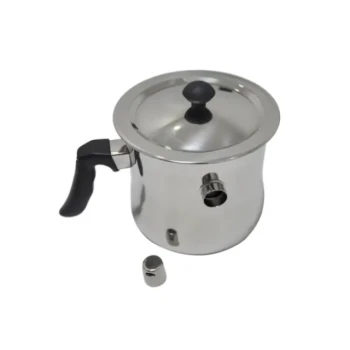
- Beeswax Melter for Candle Making Honey Bee Wax Melter
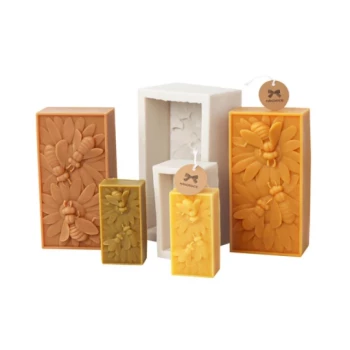
- 3D Square Honeycomb Pillar Silicone Candle Molds for Making Beeswax Candles
- 3D Beehive Silicone Skep Wax Candle Molds for Candles
- Bee Floral Relief Silicone Mold for Artisan Soap Candle Making
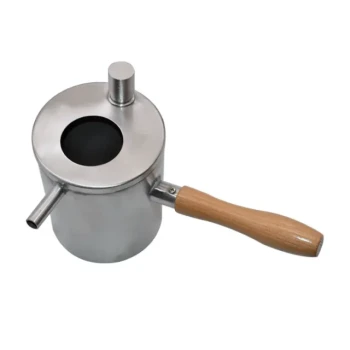
- Professional Stainless Steel Wax Melter for Beekeeping and Crafts
People Also Ask
- What is the best way to melt beeswax? Safely Preserve Quality with Indirect Heat
- What is the best way to melt beeswax? Use a Solar Wax Melter for Simple, Pure Results
- What types of beeswax melters are available for beekeepers? Choose the Right One for Your Operation
- What safety precautions should be taken when melting beeswax? A Guide to Flammable Wax Handling
- What types of beeswax melters are available for different scales of beekeeping? Solar vs. Electric Melters Compared