Honey and pollen combs theoretically function as passive humidity buffers due to the natural hygroscopic properties of their constituent materials. While the physical structure allows for the absorption and release of moisture, technical analysis confirms that this passive contribution to internal relative humidity is minimal when compared to the active regulation performed by the colony itself.
Core Takeaway While comb materials possess the physical capacity to buffer moisture, this passive mechanism is largely overshadowed by biological factors. The active behavior and respiration of adult worker bees are the primary drivers of hive microclimate control, rendering the passive contribution of the combs statistically significant but practically secondary.
The Mechanics of Passive Regulation
Hygroscopic Material Properties
Technically, honey combs and pollen combs act as hygroscopic bodies.
This means the materials comprising the comb (wax, stored pollen, and honey) naturally seek equilibrium with the surrounding air.
When internal humidity rises, the combs absorb moisture; when the air dries, they release stored moisture back into the hive environment.
The Theoretical Buffer Effect
In a purely physical model, this absorption and release cycle creates a passive buffer.
This function theoretically helps stabilize the microclimate by smoothing out rapid spikes or drops in humidity without energy expenditure from the colony.
The Dominance of Biological Regulation
Active vs. Passive Contributions
Despite the theoretical capabilities of the comb, technical analysis indicates that the biological activity of individual bees is the dominant force.
The contribution of the comb materials to increasing or stabilizing internal relative humidity is significantly lower than the moisture generated and managed by the bees.
The Critical Role of Worker Bees
In modern beekeeping and environmental control, the adult worker bee is recognized as the primary regulator.
Through respiration, metabolism, and active fanning, the colony actively manipulates the microclimate, overpowering the slower, passive influence of the comb materials.
Understanding the Limitations
Misconceptions in Environmental Control
A common pitfall in hive analysis is overestimating the role of physical infrastructure (like combs) in climate regulation.
Relying on the passive properties of the comb to maintain humidity levels is ineffective compared to ensuring a healthy, active population of bees.
The Hierarchy of Influence
It is essential to view the hive as a biologically driven system rather than a passive physical structure.
While the combs provide a backdrop for humidity exchange, they lack the reactive capacity to maintain the precise micro-environmental control required for colony survival.
Implications for Hive Management
To effectively manage or model hive environments, you must prioritize biological factors over material properties.
- If your primary focus is hive modeling: Prioritize the metabolic and respiratory inputs of the bee population as the main variables for humidity calculations.
- If your primary focus is colony management: Focus on maintaining a strong population of worker bees, as they are the active engineers of the hive's necessary humidity levels.
Ultimately, the hive's microclimate is sustained not by the architecture of the comb, but by the living energy of the colony within it.
Summary Table:
| Factor | Technical Function | Contribution Level |
|---|---|---|
| Hygroscopic Material | Absorbs/releases moisture to seek equilibrium | Passive / Secondary |
| Comb Architecture | Acts as a physical buffer for microclimate spikes | Theoretical / Minimal |
| Bee Respiration | Primary generator of internal moisture | Active / Dominant |
| Worker Bee Fanning | Active mechanical ventilation and humidity control | Active / Critical |
Scaling Your Beekeeping Success with HONESTBEE
Understanding hive mechanics is essential, but having the right tools is what drives profitability for commercial apiaries and distributors. At HONESTBEE, we empower your business with a comprehensive wholesale offering designed for the modern industry.
From advanced hive-making and honey-filling machinery to high-quality beekeeping tools and essential consumables, our portfolio covers every link in the production chain. We also offer unique honey-themed cultural merchandise to help you diversify your market presence.
Ready to optimize your operations with professional-grade equipment?
Contact Us Today to Discuss Wholesale Solutions
References
- Zhiyong Li, Bingzhong Ren. Drone and Worker Brood Microclimates Are Regulated Differentially in Honey Bees, Apis mellifera. DOI: 10.1371/journal.pone.0148740
This article is also based on technical information from HonestBee Knowledge Base .
Related Products
- Heart-Shaped Comb Honey Frame and Honeycomb Cassette
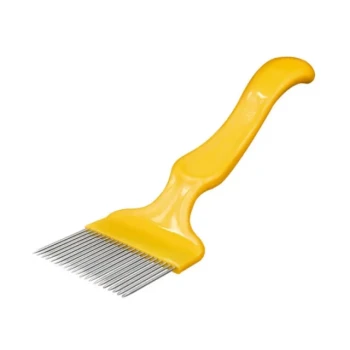
- Professional Honey Uncapping Fork Tool with Customizable Tine Options
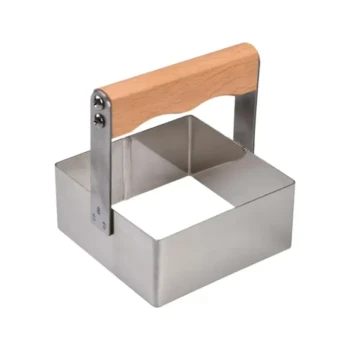
- Heavy Duty Stainless Steel Honeycomb Cutter
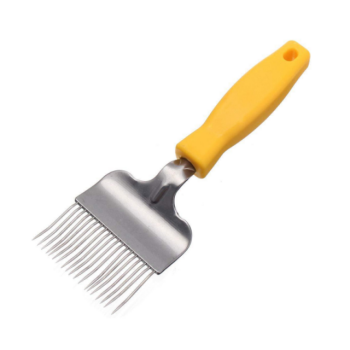
- Professional Bent Tine Honey Uncapping Fork with Ergonomic Grip
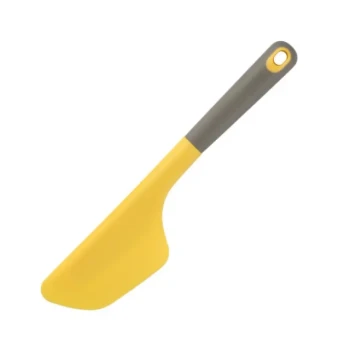
- Professional Long-Handled Silicone Honey Scraper for Beekeeping
People Also Ask
- How are honeybee combs utilized for non-destructive colony monitoring? Master Population Density Tracking
- What is a honeycomb frame? The Key to Modern, Sustainable Beekeeping
- What is the technical purpose of exchanging honeycomb frames? Master Apiary Equalization for Growth
- What frame to use for honeycomb? Choose the Right System for Pure, Edible Comb
- What is the significance of sampling honeycomb frames and hive bottoms? A Guide to Scientific Sanitation Monitoring