The primary technical distinction between electronic thermotherapy and solar-heated hives lies solely in the energy source, while the biological mechanism remains identical. Both systems are engineered to manage Varroa mites by generating controlled heat to disrupt the parasite's metabolism. Electronic devices achieve this by converting electricity into thermal energy, whereas solar-heated hives capture and convert solar radiation.
Both technologies share a unified goal: creating a hyperthermic environment within capped brood cells that induces high mortality in mites through metabolic disruption, all without harming the developing bee larvae.
The Shared Biological Mechanism
Targeting Enzymatic Biosynthesis
Despite different power inputs, the technical objective of both systems is the disruption of enzymatic biosynthesis within the Varroa mite.
Metabolic Disruption
The applied heat interferes with the mite's metabolism. This thermal stress causes the biological systems of the parasite to fail, leading to high mortality rates.
Safety for the Host
A critical design requirement for both electronic and solar systems is selectivity. The heat levels are engineered to be lethal to the parasite but remain safe for the bee larvae.
Engineering Differences in Energy Conversion
Electronic Thermal Conversion
Electronic thermotherapy devices rely on an active power supply. They function by converting electricity directly into heat to raise the hive temperature.
Passive Solar Conversion
Solar-heated hives operate without grid power or batteries. instead, they are designed to capture solar radiation and convert that natural energy into the necessary thermal output.
Operational Considerations and Trade-offs
Location and Resource Dependency
The choice between these systems is technically a choice between energy dependencies. Electronic devices require a reliable source of electricity to function effectively.
Environmental Reliance
Solar-heated hives are dependent on environmental conditions. Their ability to generate the required heat to disrupt mite metabolism relies entirely on the availability and intensity of solar radiation.
Application Focus
Both methods focus on the capped brood cells. This is the critical zone where mites reproduce, and both technologies must ensure heat penetrates these specific cells to be effective.
Making the Right Choice for Your Goal
To select the appropriate technology for your apiary, consider your access to power and your management style.
- If your primary focus is consistency regardless of weather: Choose electronic thermotherapy, as it relies on controllable electricity rather than variable solar radiation to generate heat.
- If your primary focus is off-grid, passive management: Choose solar-heated hives, which leverage natural solar radiation to drive the necessary metabolic disruption in mites.
Ultimately, both methods offer a technically sound, chemical-free approach to reducing parasite loads by exploiting the thermal sensitivity of Varroa mites.
Summary Table:
| Feature | Electronic Thermotherapy Devices | Solar-Heated Beehives |
|---|---|---|
| Energy Source | Electricity (Grid/Battery) | Solar Radiation |
| Mechanism | Active Heat Conversion | Passive Solar Capture |
| Biological Target | Varroa Mite Metabolism | Varroa Mite Metabolism |
| Reliability | Weather-Independent | Dependent on Sunlight |
| Primary Goal | Hyperthermia in Capped Brood | Hyperthermia in Capped Brood |
| Chemical Use | Zero / Chemical-Free | Zero / Chemical-Free |
Maximize Your Colony Health with Advanced Mite Control Solutions
Looking to scale your operation with sustainable, chemical-free technology? HONESTBEE specializes in supporting commercial apiaries and distributors with high-performance beekeeping tools and industrial machinery. Whether you need precise thermal control equipment, hive-making machinery, or bulk honey-processing solutions, we provide the expertise and hardware to optimize your production.
Ready to upgrade your apiary’s efficiency? Contact HONESTBEE Today to explore our wholesale equipment and specialized beekeeping machinery tailored for industry professionals.
References
- Vítězslav Bičík, Hana Sádovská. The effectiveness of thermotherapy in the elimination of Varroa destructor. DOI: 10.1515/cszma-2016-0032
This article is also based on technical information from HonestBee Knowledge Base .
Related Products
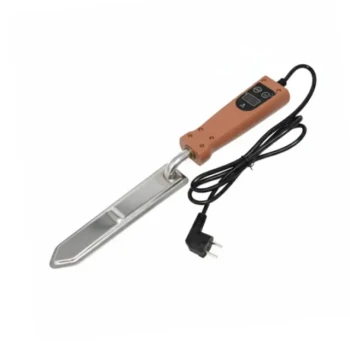
- Electric Hot Honey Uncapping Knife with Thermostat
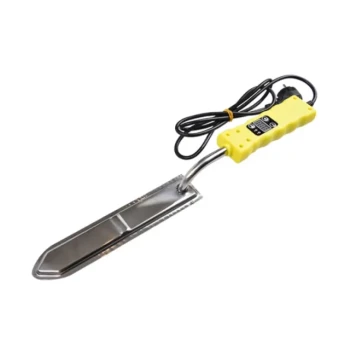
- Digital Display Electric Honey Uncapping Knife for Beekeeping and Decapping
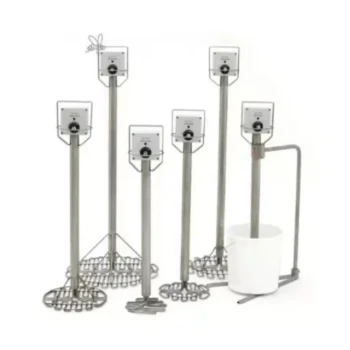
- Professional Thermostatic Conical Honey Melter
- Professional Electric Honey Uncapping Knife with Heated Digital Temperature Control for Beekeeping
- Heavy Duty 12V Oxalic Acid Evaporator Vaporizer for Bee Varroa Mite Treatment Beekeeping Fumigator Atomizer
People Also Ask
- What are the drawbacks of using an electric knife for uncapping honey frames? Cost and Power Constraints Explained
- How should an electric uncapping knife be utilized? Master Efficient Honey Extraction with Heated Precision
- What is an electric uncapping knife and how is it used? Master Faster Honey Extraction with Heat
- What are the advantages and disadvantages of using an electric knife for uncapping honey frames? Boost Extraction Speed
- What are the benefits of using electric heated uncapping knives or automatic uncapping machines? Maximize Honey Yields